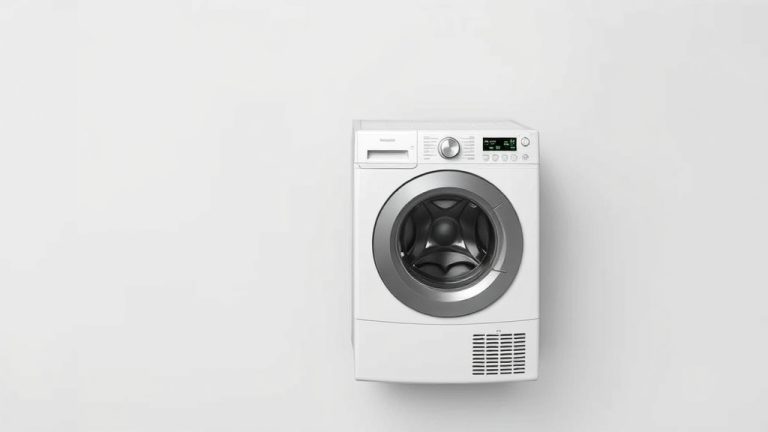
How Much Water Does a Front Loader Use?
Front loader washing machines are incredibly efficient with water. You can expect a typical front loader to use between 10 to 15 gallons of water per load. This is significantly less than older top-loading machines, which could use 40 gallons or more. This water-saving feature makes them a great choice for your home.
This efficiency isn’t magic; it’s smart design. Front loaders tumble clothes through a small amount of water. This tumbling action is very effective for cleaning. Many models also feature advanced sensors that can adjust water usage based on the load size. You’re getting cleaner clothes with less water. That’s a win-win!
- Front loaders use about 10-15 gallons per load.
- They are much more water-efficient than older machines.
- The design tumbles clothes in a small water amount.
- Sensors can help optimize water usage for your load.
- This means cleaner clothes using less water.
Ready to dive deeper into how your front loader works its water-saving magic? Let’s break down the specifics.
You’re likely wondering about the water usage of your front loader. It’s a smart question to ask when you’re trying to be mindful of your utility bills and the environment. Let’s get straight to it. Front-loading washing machines are designed to be incredibly water-efficient.
Understanding Front Loader Water Consumption
So, how much water does a front loader actually use? You can generally expect your front loader to use around 10 to 15 gallons of water for each laundry cycle. This is a remarkable improvement compared to older washing machine models.
A Deep Dive into Water Efficiency
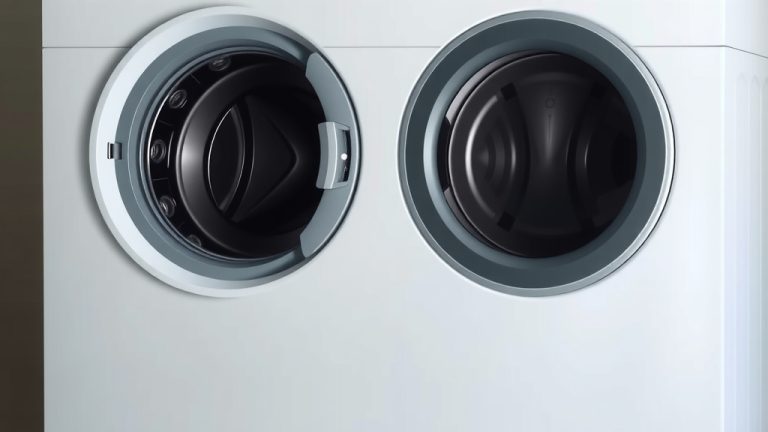
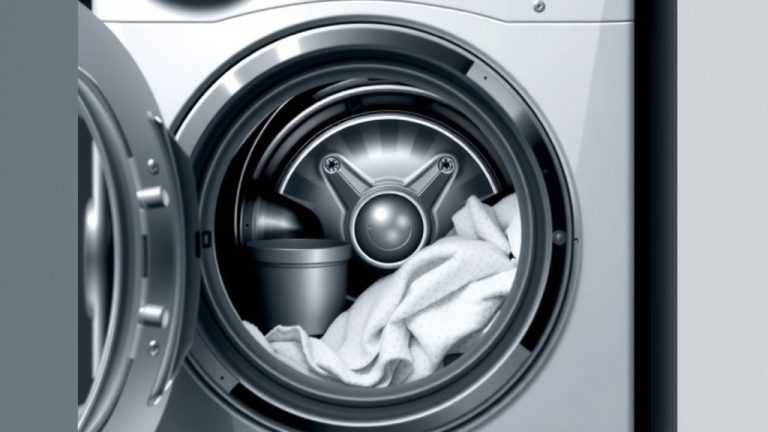
Why are front loaders so good at saving water? It all comes down to their unique design. Unlike traditional top-loaders that fill the entire tub with water, front loaders only need a fraction of that amount. The drum is positioned horizontally, and it tumbles your clothes through a small pool of water at the bottom. This method is surprisingly effective for cleaning.
The Tumbling Action Explained
Think of it like this: imagine trying to wash a shirt by just dunking it in a bucket versus giving it a good scrub with a little soap and water. The scrubbing action is what really gets it clean. Your front loader does something similar. As the drum rotates, it lifts the clothes and drops them back into the water. This constant motion helps loosen dirt and detergent. It’s a gentler, yet more thorough, way to wash clothes. Many models even have sensors to detect the load size. They can then adjust the water level automatically. This ensures you’re never using more water than you need.
Comparison to Older Top-Loaders
To really appreciate the water savings, let’s look at older models. Traditional top-loading washing machines often used 40 gallons or more per load. That’s a massive difference! This older design required the machine to fill the entire drum to submerge the clothes. Imagine the water waste over a year. Front loaders help you significantly cut down on your water consumption. This is great for your wallet and for conserving a precious resource.
| Washing Machine Type | Approximate Water Usage (Gallons) |
|---|---|
| Front Loader | 10 – 15 |
| High-Efficiency Top Loader | 15 – 25 |
| Standard Top Loader (Older Models) | 40+ |
As you can see, your front loader is a clear winner for water efficiency. Even newer high-efficiency top-loaders use more water than a front loader. This table really puts the savings into perspective.
Factors Influencing Water Usage
While we’ve given you a general range, several factors can affect the exact amount of water your front loader uses. It’s not always a one-size-fits-all scenario. Let’s explore what can influence these numbers.
Load Size Matters
This is perhaps the biggest factor. A small load will naturally use less water than a large, overstuffed one. Most modern front loaders have sensors. These sensors detect how much laundry is inside the drum. They then dispense the appropriate amount of water. Some older or simpler models might not have this feature. In those cases, you might end up using more water than necessary for smaller loads. Always try to fill the machine appropriately for the cycle you choose.
Cycle Selection is Key
Did you know that different wash cycles use different amounts of water? For instance, a heavy-duty cycle might use slightly more water than a quick wash. This is because heavily soiled items may require more rinsing. Similarly, delicate cycles might use less water. Always check your user manual for specifics on each cycle. Choosing the right cycle for your laundry needs can help optimize water usage.
Water Hardness and Detergent Use
The hardness of your water can also play a minor role. In areas with very hard water, you might need a bit more detergent. More detergent could potentially lead to more rinsing. However, front loaders are designed to handle this efficiently. Using the correct amount of High-Efficiency (HE) detergent is crucial. Using too much HE detergent can create excessive suds. This can trick the machine’s sensors, potentially leading to longer rinse cycles. Always follow the detergent manufacturer’s recommendations for your machine type.
Temperature Settings
While less common, some advanced models might adjust water levels slightly based on the selected water temperature. For example, using hot water might require a different fill level than cold water. This is generally a minor factor, but worth noting. For the most water savings, using cold water for most loads is often recommended. It saves energy too!
Tips for Maximizing Water Savings
Want to get the most out of your water-efficient front loader? Here are a few simple tips you can implement right away. These small changes can lead to noticeable savings over time.
- Always sort your laundry: This helps you choose the right cycle and load size.
- Don’t overload the machine: Give your clothes room to move freely.
- Use the appropriate amount of HE detergent: Too much can cause problems.
- Choose the right cycle: Match the cycle to the soil level of your clothes.
- Consider using cold water: It’s great for most fabrics and saves energy.
- Run full loads whenever possible: This is the most effective way to save water.
By following these straightforward tips, you’ll ensure your front loader continues to be the water-saving champion in your home. You’re making a smart choice for both your household budget and the planet.
Conclusion
You’ve learned that your front loader is a water-saving star! On average, you can expect it to use a mere 10 to 15 gallons per load. This efficiency comes from its smart tumbling action and sensors that adjust water levels. Compared to older top-loaders that used 40 gallons or more, your front loader is a smart choice for your budget and the planet. To maximize these savings, remember to run full loads, use the right amount of HE detergent, and select appropriate cycles. Keep these tips in mind, and you’ll continue to get great results while conserving water with every wash!
Frequently Asked Questions
Do all front loaders use the same amount of water?
No, not all front loaders use the exact same amount of water. While most fall within the 10-15 gallon range, factors like machine size, specific cycle chosen, and whether it has advanced sensors can cause slight variations. Always check your user manual for your model’s specific water usage.
Can my front loader use too much water?
It’s rare for a front loader to use excessive water if used correctly. However, using too much detergent can create extra suds. This might trick the machine into running longer rinse cycles. Overloading the machine or choosing a heavy-duty cycle for lightly soiled clothes can also increase water usage.
What’s the difference in water usage between my front loader and a newer HE top loader?
While both are more efficient than old machines, front loaders generally use less water. A typical front loader uses 10-15 gallons per load. A High-Efficiency (HE) top loader typically uses between 15-25 gallons per load. So, your front loader is still the more water-conscious option.
Does the temperature setting affect how much water my front loader uses?
Generally, the water temperature setting has a minimal impact on the total water used by your front loader. Some highly advanced models might make minor adjustments. For the biggest water and energy savings, washing in cold water is usually recommended.
How can I be sure I’m using the right amount of detergent in my front loader?
Always follow the detergent manufacturer’s instructions for High-Efficiency (HE) machines. Most front loaders require very little detergent. Look for the “HE” symbol on your detergent packaging. Using too much can lead to excess suds, which can negatively impact your machine’s performance and water usage.