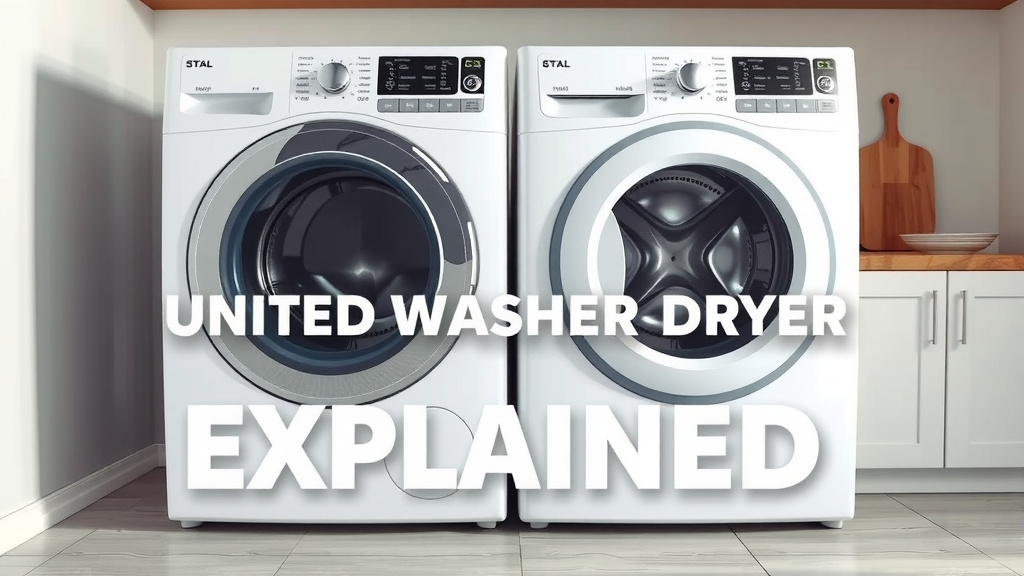
What is a Unitized Washer Dryer Explained
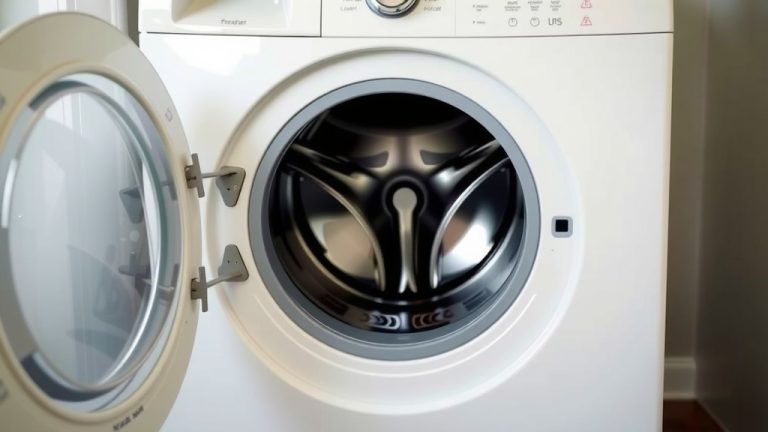
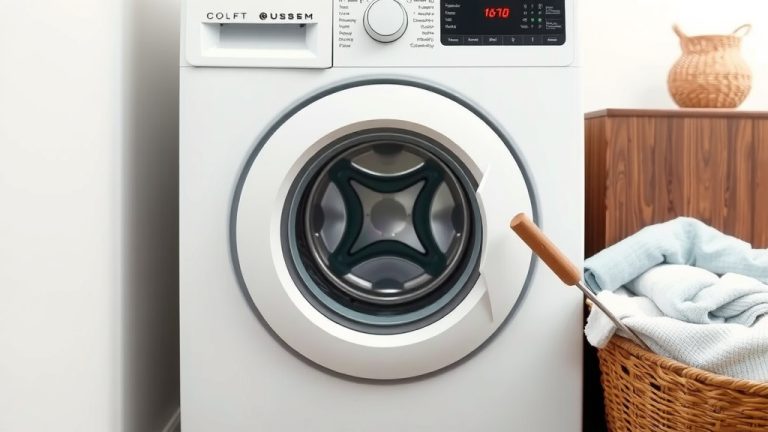
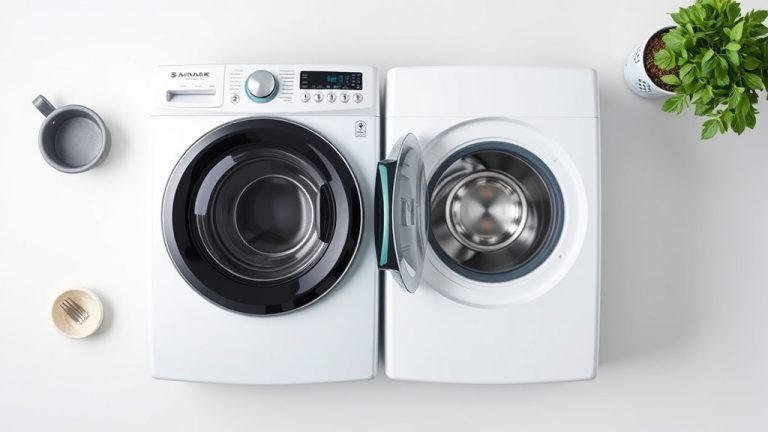
A unitized washer and dryer is a stacked laundry appliance that combines both washing and drying functions into a single machine. It’s a space-saving solution perfect for smaller homes or apartments. You get the convenience of two machines in one compact unit.
These units are designed to be incredibly efficient with water and energy. They often come with advanced features to handle your laundry needs. Many people find them a great way to make laundry day a bit easier. You’ll find different sizes and capacities to suit your household.
- Combines a washer and dryer in one unit.
- Ideal for saving space in small living areas.
- Often designed for energy and water efficiency.
- Comes with various features for different laundry needs.
- A convenient way to handle your washing and drying.
We found that understanding the basics of unitized washers and dryers can help you decide if one is right for your home. Let’s walk through exactly what they are and how they work.
“`htmlSo, you’ve seen them, right? Those neat, stacked laundry units that seem to magically fit into tiny laundry nooks. But what exactly is a unitized washer and dryer, and how does it work its space-saving magic? Let’s break it down.
Understanding the Unitized Laundry Concept
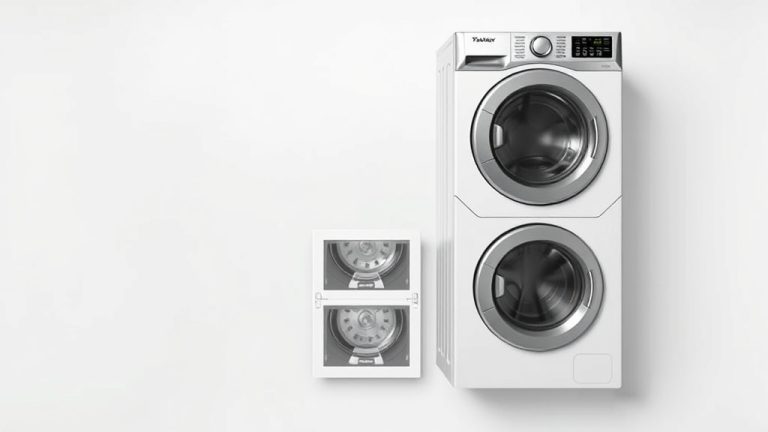
A unitized washer and dryer, often called a stackable washer and dryer or a laundry tower, is essentially two appliances – a washing machine and a clothes dryer – built into a single, vertical unit. Think of it as a two-story house for your clothes, all within one footprint. This design is brilliant for maximizing vertical space.
How Does it Actually Work?
The magic happens through clever engineering. The washer is typically at the bottom, and the dryer sits directly on top. You load your dirty clothes into the washer as usual. Once the wash cycle is complete, you either transfer the wet clothes to the dryer (in most models) or, in some advanced designs, the unit might automatically move the clothes to the drying compartment. We found that this transfer process is the main difference between a true “all-in-one” unitized system and a standard stackable set.
The Difference Between Unitized and Stackable
While the terms are often used interchangeably, there’s a slight distinction. A stackable washer and dryer refers to any washer and dryer pair that can be safely stacked, usually with a special kit. You’re stacking two separate appliances. A unitized washer and dryer is often a single appliance built as one unit from the factory. Many unitized machines are also ventedless, which adds to their installation flexibility (more on that later).
The Big Advantage: Saving Precious Space
Let’s be honest, who doesn’t need more space? This is where unitized washers and dryers truly shine. If your home is on the smaller side, or if you have a cramped laundry closet, these units are a dream come true. They allow you to have both a washer and a dryer without taking up the floor space of two traditional machines side-by-side. Many apartment dwellers and condo owners find them to be the only practical solution for in-unit laundry.
Ideal Scenarios for Unitized Laundry
Imagine a small studio apartment, a cozy vacation cabin, or even a compact RV. These are the perfect places for a unitized washer and dryer. You get the convenience of doing your laundry right at home, rather than trekking to a laundromat. We found that even in larger homes, they can be useful as a secondary laundry setup, perhaps on a different floor.
Exploring the Features and Functions
Beyond saving space, these units are packed with features designed for efficiency and convenience. You’ll find a wide range of wash cycles, from delicate to heavy-duty. Many models offer steam functions, which can help sanitize clothes and reduce wrinkles, saving you ironing time.
Water and Energy Efficiency
Many unitized washers and dryers are designed with energy conservation in mind. Because they are often smaller in capacity than standard machines, they tend to use less water per load. Look for Energy Star certified models. These are independently certified to be more energy-efficient than standard models, which can lead to lower utility bills (Energy Star). We found that this is a significant benefit for many homeowners.
Vented vs. Ventless Dryers
This is a big one for installation flexibility. Most traditional dryers require a vent to the outside of your home to expel hot, moist air. However, many unitized dryers are ventless. They use a condenser system or a heat pump to dry clothes. This means you can install them almost anywhere – in a closet, under a counter, or in a room without an exterior wall. This makes them incredibly versatile. We found that the lack of venting needs significantly broadens installation possibilities.
Condenser Dryers
Condenser dryers work by heating the air, circulating it through the clothes, and then cooling the moist air back into water. This water is collected in a removable tank or drained away through a hose. They are very common in unitized machines.
Heat Pump Dryers
Heat pump dryers are a more energy-efficient type of ventless dryer. They work like a reverse air conditioner, recycling the hot air to dry the clothes more gently. While they can be more expensive upfront, they offer substantial savings on energy costs over time.
Capacity and Load Sizes
You’ll notice that unitized washers and dryers often have a smaller capacity than their full-sized counterparts. This is a trade-off for their compact size. They are perfect for individuals, couples, or small families. If you have a very large family or often wash bulky items like king-sized comforters, you might find the capacity limiting. We found that for most common laundry needs, the capacity is perfectly adequate.
Ease of Use and Controls
Modern unitized units come with intuitive control panels. You’ll find digital displays, pre-programmed cycles, and sometimes even smart features that allow you to control your laundry from your smartphone. This makes operating the machine straightforward, even with its advanced capabilities.
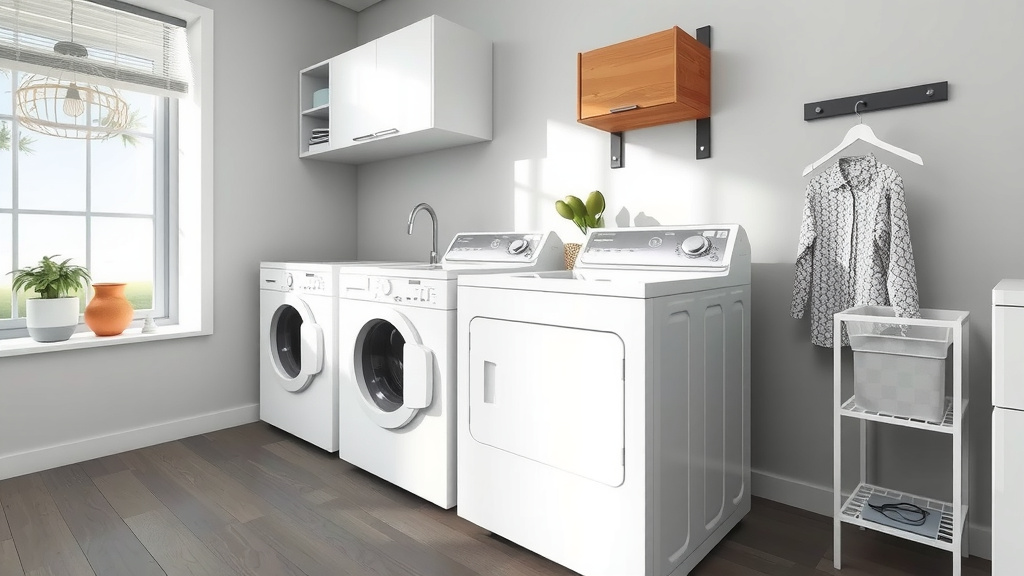
Considering a Unitized Washer and Dryer: A Quick Checklist
Before you make the leap, ask yourself these quick questions:
- Is space a major concern in your home?
- Do you have limited or no options for external venting?
- Are you washing for a small household (1-3 people)?
- Are energy and water efficiency important to you?
- Do you need a flexible installation location?
If you answered yes to most of these, a unitized washer and dryer might be an excellent fit for your laundry routine. They offer a smart, efficient, and space-saving way to keep your clothes clean and fresh.
“`Conclusion
You now understand that a unitized washer and dryer is a brilliant, compact solution for your laundry needs. It cleverly combines washing and drying into one vertical unit, making it ideal for saving space. We found that their efficiency in water and energy usage, along with flexible installation options like ventless drying, makes them a smart choice for many homes. If you’re looking to maximize a small laundry area or simplify your chores, consider if a unitized washer and dryer fits your lifestyle. Your next step should be to measure your space and start comparing models to find the perfect one for your home.
Frequently Asked Questions
Are unitized washers and dryers good for large families?
Generally, unitized washers and dryers have a smaller capacity. We found they are best suited for individuals, couples, or small families. If you regularly wash bulky items or have very large loads, you might find the capacity limiting for a large household’s needs.
How do ventless unitized dryers work?
Ventless dryers, common in unitized systems, use a condenser or heat pump. They work by removing moisture from the clothes and either collecting it in a tank or draining it away. This means you don’t need an external vent, offering great installation flexibility.
Is a unitized washer and dryer more energy-efficient than two separate machines?
Often, yes. Due to their smaller size and often advanced designs, many unitized units are very energy and water-efficient. Look for Energy Star certified models to ensure you’re getting the best efficiency and potentially lower utility bills.
What maintenance is required for a unitized washer and dryer?
Maintenance is similar to separate machines. You’ll need to clean the lint filter regularly and wipe down the interior. For ventless models, you may need to clean the condenser unit periodically. Always check your owner’s manual for specific care instructions.
Can you use a unitized washer and dryer if you have an external vent available?
Some unitized units are designed specifically for ventless use, while others might offer both options or require a vent. It’s important to check the specifications of the model you’re considering. If you have a vent, you might have more options for dryer types within unitized systems.