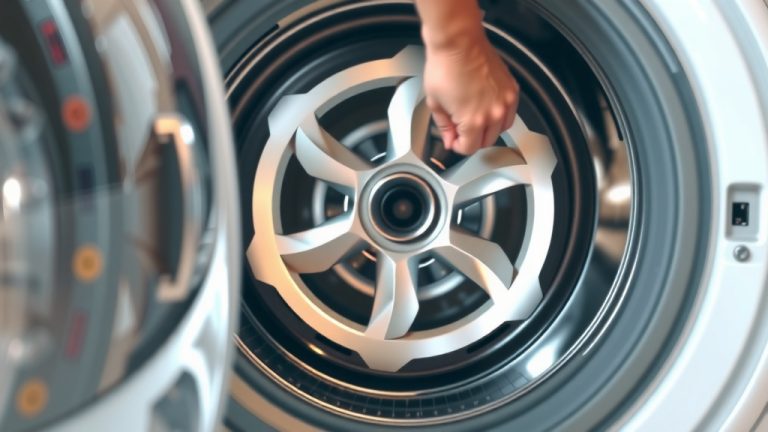
Why Front Load Washers Are So Heavy
Front load washers are so heavy mainly because of their robust construction and the substantial weight of the heavy-duty drum and motor. This dense build is essential for supporting the machine’s spinning action and ensuring stability during high-speed cycles, preventing excessive vibration and movement.
Think of it like a high-performance car. These washers need a solid foundation to handle the forces involved in washing your clothes efficiently. The extensive use of metal components, especially in the drum and motor assembly, contributes significantly to their overall heft. Many experts point to this as a key factor in their durability and longevity.
- Front load washers are heavy due to their strong build.
- A heavy drum and motor are key weight contributors.
- This weight ensures stability and reduces vibration.
- Durable metal parts add to the overall heft.
Let’s break down exactly what makes your front load washer such a substantial appliance.
Why Are Front Load Washers So Weighty?
You might have noticed your front load washer feels like a brick. Lifting it to move it? Forget about it without a helper! This heft isn’t accidental. It’s a deliberate design choice that brings serious benefits to your laundry routine. Let’s unpack what’s under the hood.
The Drum: The Heart of the Weight
Think about how a front load washer works. It tumbles clothes rather than just agitating them in water. This tumbling action requires a strong, stable container. The drum itself is often made of heavy-duty stainless steel. This material is chosen for its durability and resistance to rust and corrosion. But stainless steel, especially in the large size needed for a washer drum, adds a lot of mass. The capacity of the washer also plays a role. Larger drums mean more steel.
The Motor and Drive System
Underneath the drum, you’ll find the motor and drive system. Front load washers typically use direct-drive motors or powerful belt-driven systems. These motors are designed to handle the high spin speeds needed to extract water efficiently. High-speed spinning generates significant force. To counteract this force and keep the machine from shaking itself apart, you need a powerful, robust motor. This motor, along with its associated components, adds substantial weight to the appliance.
Balancing Act: The Counterweights
Ever heard a washing machine make a bit of a rumble? Front load washers have a clever solution to minimize this: counterweights. These are usually made of concrete or cast iron. They are strategically placed within the machine’s chassis. Their job is to absorb vibrations during the spin cycle. By adding mass, they help keep the entire unit stable. These weights can easily add over 100 pounds to the machine’s total weight!
Construction Materials: Built to Last
Beyond the drum and motor, the entire frame and casing of a front load washer are built for longevity. Unlike some older top-load models that might have used more plastic, front loaders often rely on thicker gauge steel for their outer shell and internal support structures. This robust construction is essential for handling the stress of high-speed spinning and the general wear and tear of regular use. The goal is to create a machine that can last for many years, and that often means adding weight for sturdiness.
Why All This Weight Matters for You
So, why should you care if your washer is heavy? It’s all about performance and longevity. The substantial weight contributes to several key benefits:
- Reduced Vibration: The heavier the machine, the less it tends to shake and move during operation. This means a quieter laundry room and less wear and tear on your floors.
- Stability: During high-speed spin cycles, the machine needs to stay put. A heavy base prevents it from “walking” across the floor.
- Durability: The robust construction, including metal components and counterweights, is a hallmark of quality. These machines are built to withstand the forces of washing for a long time.
- Quieter Operation: All that mass helps absorb sound. While no washing machine is perfectly silent, front loaders are often praised for their quieter operation compared to lighter machines.
A Comparison: Front Load vs. Top Load Weight
It’s helpful to see how this weight stacks up. We found that, on average, front load washers are significantly heavier than their top-load counterparts. This is partly due to the design differences mentioned earlier, but also the materials used.
| Washer Type | Average Weight Range (approx.) |
|---|---|
| Front Load Washer | 200 – 300+ lbs |
| Top Load Washer (Standard Agitator) | 140 – 200 lbs |
| Top Load Washer (High-Efficiency Impeller) | 150 – 220 lbs |
As you can see, front loaders tend to sit at the higher end of the weight spectrum. This difference is a direct result of the engineering required for their washing action.

The Spin Cycle: Where Weight Really Shines
The spin cycle is where a front load washer truly earns its weight. These machines can spin at speeds of 1,000 RPM (revolutions per minute) or even higher. Compare that to older top-loaders that might spin at 600 RPM. This high speed dramatically extracts more water from your clothes. This means less time in the dryer, saving you energy and wear on your garments. For this high-speed performance, a sturdy, heavy foundation is absolutely essential. It’s like trying to spin a bicycle wheel very fast – a heavier frame will be more stable.
What This Means for Installation and Moving
Now, we know that heavy means challenging. Moving a front load washer is not a one-person job. You’ll likely need at least two strong individuals, possibly more, depending on the exact model and any stairs involved. It’s also important to consider the flooring in your laundry area. A very heavy appliance might require extra support, especially if it’s on an upper floor. Many manufacturers provide installation guides that address weight and floor support, so it’s always a good idea to check those resources.
A Checklist for Understanding Your Washer’s Heft
To recap, here’s what makes your front load washer so substantial:
- Stainless steel drum for durability and capacity.
- Powerful motor capable of high spin speeds.
- Heavy counterweights to absorb vibrations.
- Robust metal frame and casing for stability.
- Solid construction designed for long-term use.
Conclusion
So, your front load washer’s considerable weight is a sign of quality engineering. It’s not just heavy for the sake of it; that mass is crucial for performance. The robust drum, powerful motor, and stabilizing counterweights all work together. This construction provides the stability needed for efficient, high-speed spins. While moving one is a challenge, this solid build ensures a quieter, more durable laundry experience for years to come. When you’re ready for your next appliance, consider this weight as a feature that delivers better results.
Frequently Asked Questions
Do heavier washers vibrate less?
Yes, a heavier washing machine generally vibrates less. The increased mass helps to absorb the vibrations generated during the spin cycle. This stability prevents the machine from “walking” across your floor. It also contributes to quieter operation.
Are all front load washers very heavy?
Most front load washers are significantly heavier than top load models. This is due to their design, which includes heavy-duty drums, powerful motors, and concrete or cast iron counterweights. Larger capacity models tend to be even heavier.
Can I move a front load washer by myself?
It is highly recommended that you do not attempt to move a front load washer by yourself. They typically weigh between 200 to 300 pounds or more. You will need at least two strong people and potentially a dolly or appliance hand truck.
Does the weight of a washer affect its cleaning performance?
The weight of a front load washer is directly related to its performance. The heavy construction allows for faster spin speeds, which extract more water from clothes. This leads to more efficient drying and can even improve cleaning by allowing clothes to tumble effectively.
Are front load washers more durable because they are heavy?
The heavy build of front load washers is often a strong indicator of their durability. The use of substantial metal components, robust frames, and quality motors means the machine is built to withstand the stresses of high-speed spinning and regular use over many years.