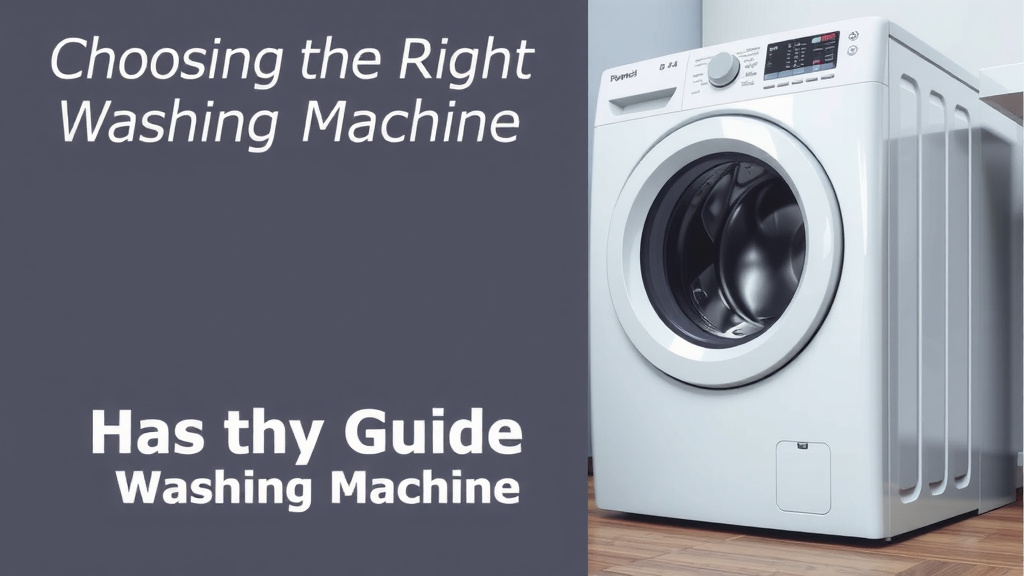
Choosing the Right Washing Machine: A Buyer’s Guide
Selecting the right washing machine involves considering capacity, type, and energy efficiency. A good machine balances your laundry needs with your budget and home space. We found that matching the machine’s features to your household size is key.
Your new washing machine should make laundry day easier, not harder. Think about the space you have and the types of clothes you wash most often. We researched that understanding these factors prevents common buyer’s remorse.
- Consider your family size for proper capacity.
- Top-load vs. front-load machines have different pros.
- Look for good energy and water ratings.
- Check for features you’ll actually use.
Let’s walk through exactly how to pick the best washing machine for your home.
Choosing the Right Washing Machine for Your Home
So, you’re ready to find a washing machine that makes laundry day less of a chore? That’s a smart move! We know it can feel like a big decision, with so many options out there. But don’t worry, we’re here to help you navigate through it all. Think of us as your laundry room co-pilot.
Understanding Washing Machine Types: Top-Load vs. Front-Load
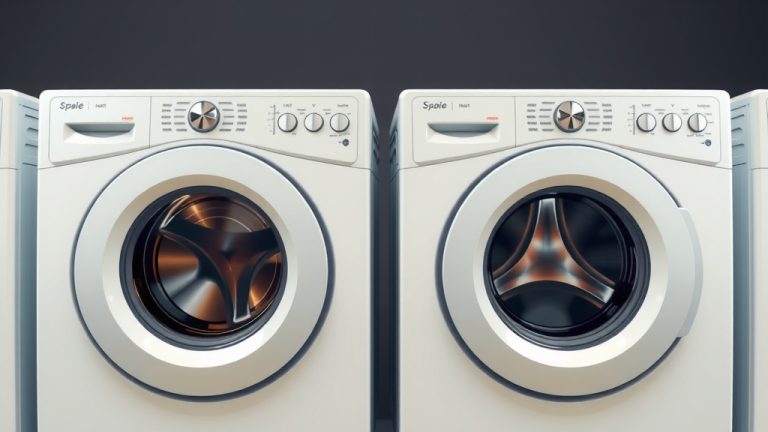
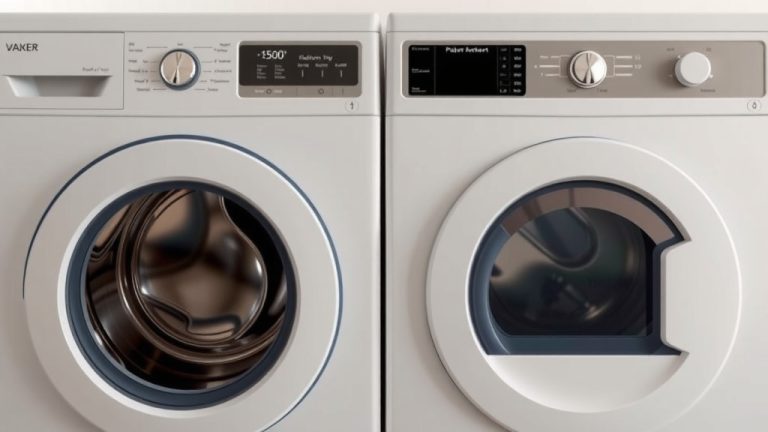
The first big choice you’ll make is between a top-load and a front-load washing machine. Both have their own set of benefits, and the “best” one really depends on what you’re looking for.
Top-Load Washers: Convenience and Speed
These are the machines where you load clothes from the top. They often come with a central agitator that helps move clothes around. Many people find them easy to load and unload, especially if they have back issues. You can also usually add forgotten items mid-cycle without much fuss.
We found that top-loaders tend to be less expensive Our guide to washing machine cost can help you understand the price ranges. upfront. They also typically have faster wash cycles, which can be a lifesaver when you’re in a hurry. Cleaning is generally effective, but the agitator can sometimes be tough on delicate fabrics.
Front-Load Washers: Efficiency and Gentleness
With front-loaders, you load clothes through a door on the front of the machine. These machines use a tumbling action to clean clothes, which is gentler on fabrics. This can help your clothes last longer.
Front-loaders are also known for being more energy and water efficient. They use less water because they don’t need to fill the entire tub. Many models also spin at higher speeds, meaning clothes come out drier and require less time in the dryer. However, they typically have a higher initial cost and might require you to bend down to load and unload.
A Quick Comparison Table
| Feature | Top-Load | Front-Load |
|---|---|---|
| Loading Style | From the top | From the front |
| Wash Action | Agitator or impeller | Tumbling |
| Gentleness on Clothes | Can be less gentle | Generally gentler |
| Water & Energy Use | Higher | Lower |
| Cost | Often lower initial cost | Often higher initial cost |
| Cycle Time | Often faster | Often longer |
Capacity Matters: How Much Laundry Do You Actually Do?
Think about your household size and how much laundry piles up each week. This will help you determine the right capacity for your needs. Buying a machine that’s too small means you’ll be running extra loads, which wastes time and resources. Too large, and you might be wasting water and energy on smaller loads.
Small Households (1-2 People)
If it’s just you or you and a partner, a compact or standard-sized washer with a capacity of around 2 to 3 cubic feet should be plenty. You won’t need to worry about washing bulky comforters often.
Medium Households (3-4 People)
For families of three or four, a medium to large capacity washer is usually the sweet spot. Look for capacities between 3.5 to 4.5 cubic feet. This should handle everyday loads of clothes, towels, and bedding.
Large Households (5+ People) or Frequent Washers
If you have a big family or find yourself doing laundry constantly, you’ll want a high-capacity machine. Capacities of 4.5 cubic feet and above are ideal. These can tackle large loads, bulky items like king-size comforters, and will significantly cut down on the number of loads you need to run.
Energy and Water Efficiency: Saving Money and the Planet
Modern washing machines have come a long way in terms of efficiency. Investing in an energy-efficient model can save you a surprising amount of money on your utility bills over time. Plus, it’s a great way to reduce your environmental footprint.
Understanding ENERGY STAR Ratings
Look for the ENERGY STAR label. Appliances with this certification meet strict energy efficiency guidelines set by the U.S. Environmental Protection Agency. We found that ENERGY STAR certified washers use significantly less energy and water than standard models.
Water Factor (WF) and Modified Energy Factor (MEF)
When comparing models, pay attention to the Water Factor (WF) and Modified Energy Factor (MEF). A lower WF means the machine uses less water per cycle. A higher MEF indicates greater energy efficiency. These numbers can be found on the yellow EnergyGuide labels.
Key Features to Consider: What Will You Actually Use?
Washing machines today come with a dizzying array of features. It’s easy to get caught up in the latest technology, but the most important thing is to choose features that will genuinely make your life easier. Do you really need 15 different cycles, or will a few core ones suffice?
Specialized Wash Cycles
Most machines offer a variety of cycles like “Delicates,” “Heavy Duty,” “Quick Wash,” and “Sanitize.” Consider which ones you’ll use most often. If you have kids who get messy, a robust “Heavy Duty” cycle is a must. For active families, a “Sportswear” cycle might be beneficial.
Steam Functions
Some washers include a steam cycle. This can be great for sanitizing clothes, removing allergens, and helping to de-wrinkle garments, potentially reducing your ironing time. Many experts suggest steam can be very effective for deep cleaning.
Smart Technology and Connectivity
Want to control your washer from your phone? Smart washers connect to your home Wi-Fi. You can often start, stop, and monitor cycles remotely, receive notifications when laundry is done, and even download new wash cycles. While cool, ask yourself if this convenience is worth the extra cost for your needs.
Built-in Water Heater
Some machines have a built-in water heater. This allows them to precisely control the water temperature for different cycles. This is especially helpful for cycles like “Sanitize” that require very hot water to be effective.
Don’t Forget Installation and Space Requirements
Before you fall in love with a particular model, measure your space! Ensure the machine will fit through doorways and into your laundry area. Also, check that you have the proper water hookups and drainage available. Some high-efficiency machines may require specific water pressure or drain hose configurations.
Your Washing Machine Checklist
Here’s a quick rundown to keep you on track:
- Capacity: Match it to your household size.
- Type: Top-load for ease, front-load for efficiency.
- Efficiency: Look for ENERGY STAR.
- Features: Pick what you’ll truly use.
- Space: Measure twice before you buy.
- Budget: Consider upfront cost and long-term savings.
Conclusion
You’ve learned how to choose a washing machine that truly fits your life. By focusing on capacity for your family size, deciding between a convenient top-load or efficient front-load, and prioritizing energy savings with ENERGY STAR ratings, you’re set for success. Don’t forget to check those essential features and measure your space carefully. Now you’re ready to make an informed decision that will make laundry day a breeze for years to come. Your next step? Grab your measuring tape and start looking at models that meet your criteria!
Frequently Asked Questions
How often should I run my washing machine?
You should run your washing machine as needed based on your laundry volume. For a typical household, running the machine once or twice a week is common. Avoid overloading it, as this can lead to less effective cleaning and strain on the machine.
Are front-load washers really more efficient than top-load?
Yes, research consistently shows that front-load washers generally use less water and energy. They achieve this through a tumbling action that requires less water to saturate clothes and often spin at higher speeds, extracting more water before drying.
What does “capacity” mean in cubic feet?
Capacity in cubic feet refers to the internal drum size of the washing machine. A larger cubic footage means you can fit more laundry into a single load. This is important for managing your household’s laundry needs efficiently.
Is a steam function on a washer worth the extra cost?
A steam function can be beneficial if you often deal with allergens, tough stains, or want to reduce wrinkles. For many, it offers a deeper clean and can lessen the need for ironing. Evaluate if these benefits align with your laundry habits and budget.
Can I install a washing machine myself?
Basic top-load washing machine installation is often manageable for a DIYer, involving connecting water hoses and a drain. However, front-load machines and those with complex water connections or requirements might be better handled by a professional to ensure proper function and prevent leaks.