How to Buy a Washer: Your Ultimate Buying Guide
Buying a new washer can feel like a big task, but we’re here to make it simple. You can find the perfect washing machine for your needs by considering your budget, the space you have, and the features that matter most to you. We’ve researched what makes a good washer purchase.
Getting the right washer means looking beyond just price. Think about the type of machine, like top-load versus front-load. Your laundry habits will also help determine the best fit. We found that understanding these factors is key to a smart buy.
- Know your budget upfront.
- Measure your laundry space carefully.
- Decide between top-load and front-load.
- Prioritize the features you’ll actually use.
- Read reviews from other shoppers.
Let’s walk through exactly how to choose the best washer for your home, step by step.
Your Guide to Choosing a New Washing Machine
Picking out a new washing machine can feel like a chore in itself. But don’t worry, we’ve done the research to help you find the perfect machine for your home. We’ll guide you through the key decisions you need to make.
Assessing Your Space and Budget First
Before you even look at brands, let’s talk practicalities. Where will this washer live, and what can you realistically spend? These are the first big questions.
Measure Your Laundry Area Like a Pro
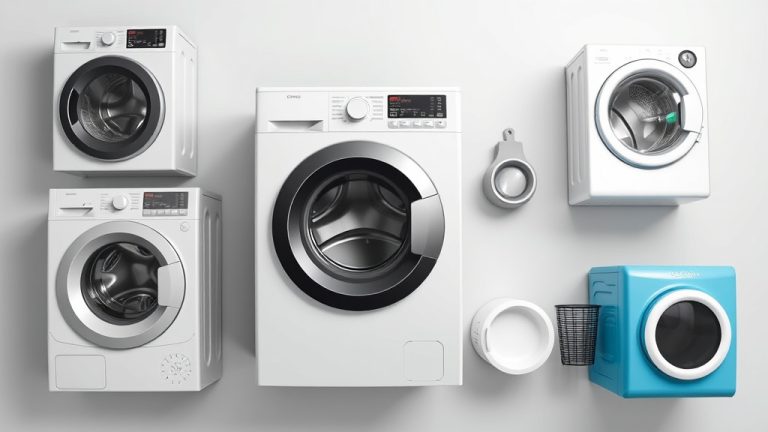
You might have your heart set on a super-sized washer, but will it actually fit? Take out your tape measure. You need to know the exact dimensions of the space. Think about height, width, and depth. Don’t forget to account for door swings and clearance for hoses. We found that many people overlook the space needed for loading and unloading. It’s also wise to check that your laundry room door is wide enough!
Setting a Realistic Washer Budget
Washers range from a few hundred dollars to well over a thousand. Your budget will guide your choices. Consider not just the purchase price, but also potential installation fees and any necessary accessories. We found that looking at energy-efficient models can save you money on utility bills over time. Think of it as a long-term investment.
Top-Load vs. Front-Load: The Great Debate
This is one of the biggest decisions you’ll face. Both types have their pros and cons. We’ve broken down the key differences to help you decide.
Top-Load Washers: Easy and Accessible
These are the machines where you lift the clothes into the tub from the top. They often come in two main types: traditional agitator models and high-efficiency (HE) impeller models.
Agitator Models
These have a central post in the drum that twists and turns clothes. They are known for their powerful cleaning. They can handle larger loads and are often less expensive upfront. However, they can be harsher on fabrics and use more water.
High-Efficiency (HE) Impeller Models
These top-loaders use a low-profile disc or cone at the bottom of the drum. They create friction to move clothes. They use less water and are gentler on your garments. Many find them to be a good balance between cleaning power and fabric care.
Front-Load Washers: Efficient and Gentle
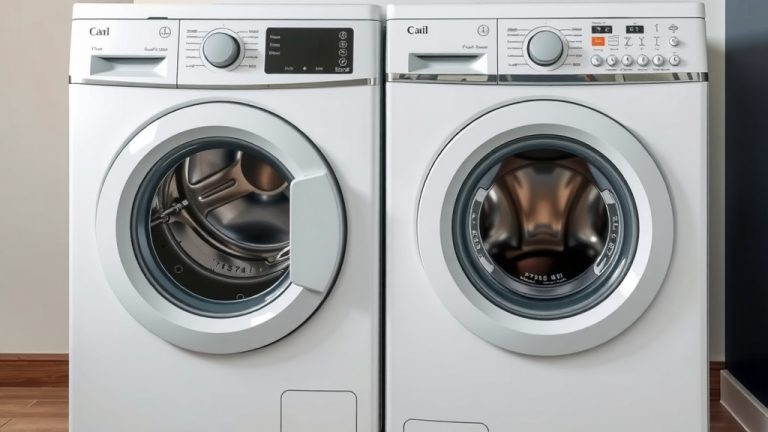
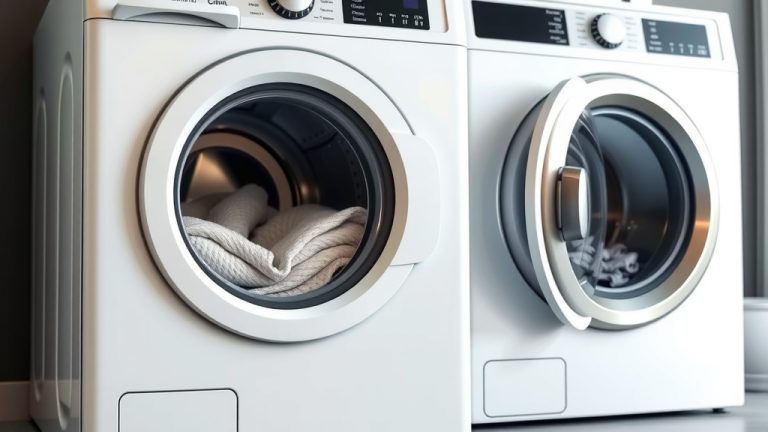
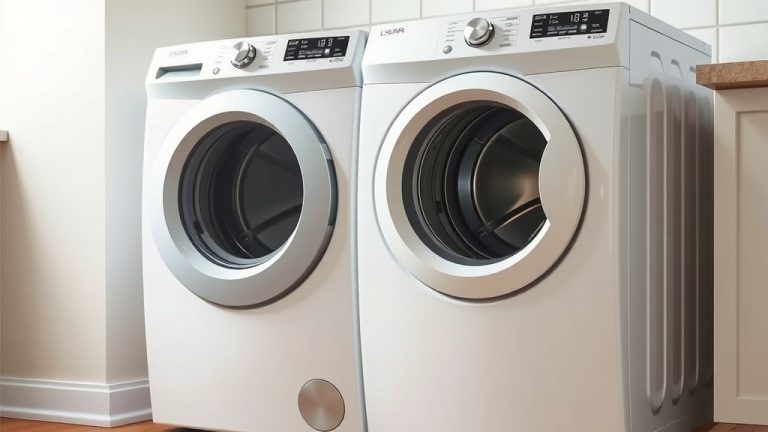
Front-loaders have a door on the front. They tumble clothes through a small amount of water. This method is incredibly gentle on clothes and uses significantly less water and energy than most top-loaders. They also tend to clean very effectively and spin clothes drier, reducing drying time. Many front-loaders offer steam cycles and sanitizing options. The main drawbacks can be a higher initial cost and the need to bend down to load and unload. You can often stack a dryer on top of a front-load washer to save space, though.
Must-Have Washer Features to Consider
Once you’ve picked a type, it’s time to think about the bells and whistles. What features will actually make your laundry life easier?
Capacity: How Much Laundry Do You Do?
Washer capacity is measured in cubic feet. Think about your household size and how often you do laundry. A larger family might need a high-capacity machine. For a single person or a couple, a smaller capacity might be perfectly fine. We found that choosing the right capacity prevents overfilling or running too many small loads.
Wash Cycles and Settings
Most washers come with standard cycles like normal, delicate, and heavy-duty. Do you have specific needs? Look for cycles like:
- Sanitize: Great for killing germs on bedding or baby clothes.
- Steam: Helps remove tough stains and reduce wrinkles.
- Quick Wash: For lightly soiled items you need in a hurry.
- Allergen: Designed to remove common allergens.
Energy and Water Efficiency
Look for the ENERGY STAR label. These appliances meet strict energy efficiency guidelines set by the EPA. They use less energy and water, saving you money on utility bills. This is a smart choice for both your wallet and the environment.
Smart Features and Connectivity
Some modern washers offer smart capabilities. You can often control them via a smartphone app. This allows you to start, stop, and monitor cycles remotely. You can even get notifications when a load is finished. We found these can be a nice convenience, but they aren’t essential for everyone.
Durability and Reliability: Reading Between the Lines
You want a washer that will last. How do you find a reliable one?
Check Consumer Reviews and Ratings
This is where you hear from real users. Look for patterns in reviews. Are people consistently complaining about the same issue? We found that sites with a large number of reviews are often the most helpful. Pay attention to both the star ratings and the written feedback.
Brand Reputation and Warranties
Some brands have a longer history of producing dependable appliances. Research brands you’re considering. Also, check the warranty. A longer warranty, especially on the drum and motor, can offer peace of mind. Many manufacturers offer a 1-year parts and labor warranty, with longer coverage on specific components.
Your Washer Buying Checklist:
- Measure your space accurately.
- Set a clear budget.
- Decide on top-load or front-load.
- Consider your typical laundry load size.
- Identify key wash cycles you need.
- Read reviews from multiple sources.
Conclusion
You’re now ready to buy your new washer with confidence! We’ve covered the essentials from measuring your space and setting a budget to choosing between top-load and front-load models. Remember to prioritize the features that truly matter to your household’s laundry needs. Don’t forget to check consumer reviews and warranties for peace of mind. Take these steps, and you’ll find a washing machine that serves you well for years to come.
Frequently Asked Questions
What is the difference between an agitator and an impeller top-load washer?
An agitator model has a central post that twists clothes, offering powerful cleaning but can be harsher on fabrics. An impeller model uses a low-profile disc at the bottom to move clothes, using less water and being gentler on garments.
How much should I budget for a new washing machine?
Washer prices can vary widely, generally ranging from a few hundred to over a thousand dollars. Your budget should also consider potential installation costs and any necessary accessories to get the best value for your money.
Are front-load washers more expensive to run than top-load washers?
Generally, front-load washers are more energy and water-efficient. They use less water and spin clothes drier, which can reduce your drying time and utility bills over the machine’s lifespan.
What does “washer capacity” mean and how do I choose the right one?
Washer capacity is measured in cubic feet and indicates how much laundry the drum can hold. You should choose a capacity based on your household size and how often you do laundry to avoid overfilling or running too many small loads.
Are smart features on washers worth the extra cost?
Smart features allow you to control and monitor your washer via a smartphone app, offering convenience like remote start and notifications. Whether they’re worth it depends on your lifestyle and how much you value remote laundry management.