Compare Washing Machines: A Buyer’s Guide
Comparing washing machines means looking at drum size, energy efficiency, and special features that fit your life. It’s about finding a machine that cleans your clothes well without costing too much. We’ve researched many models to help you make the best choice for your laundry needs.
Finding the right washer isn’t just about capacity; it’s about matching its technology to your lifestyle. Think about water usage and noise levels. Many experts agree that a good comparison considers both upfront cost and long-term savings.
- Know your load size needs.
- Check the Energy Star rating.
- Consider special cycles like steam or sanitize.
- Read reviews for reliability.
- Think about your budget.
Let’s break down exactly what you need to look for when comparing washing machines.
Choosing the Right Washing Machine for Your Home
Selecting a new washing machine can feel like a big decision. You want something that cleans well and lasts. Our research helps you understand the key factors. Let’s get you a machine that makes laundry day a little easier.
Understanding Washer Types and Sizes
The first step is knowing the two main types of washing machines: top-load and front-load. Each has pros and cons.
Top-Load Washers: A Classic Choice
Top-load washers are familiar to many. You load clothes from the top. They often have a shorter cycle time. Some find them easier to load without bending.
There are two main kinds of top-loaders. The traditional agitator models have a central post. It twists and turns clothes. This can be tough on fabrics over time. They tend to use more water.
The newer high-efficiency (HE) top-loaders don’t have an agitator. They use an impeller at the bottom. This is gentler on clothes. They also use less water and energy.
Front-Load Washers: The Modern Solution
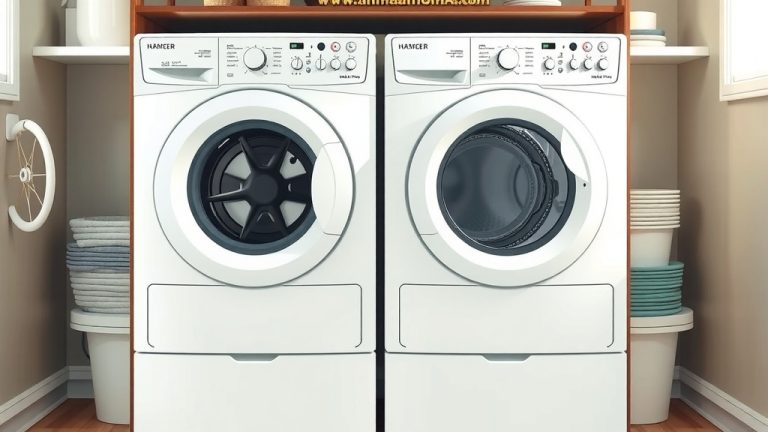
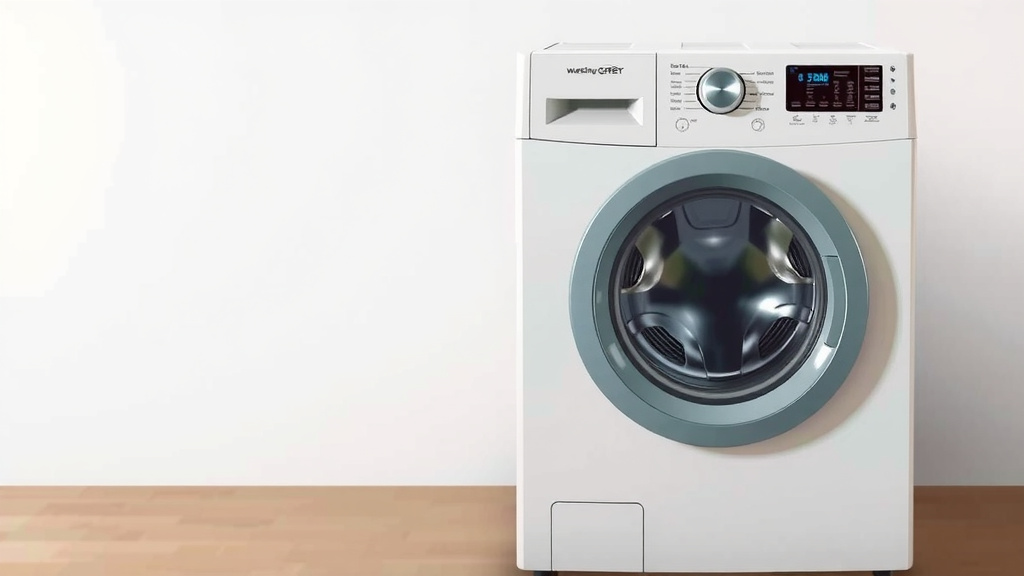
Front-load washers load from the front. They use a tumbling action to clean clothes. This method is very gentle. It also spins water out more effectively. This means clothes dry faster.
Front-loaders are generally more energy-efficient. They use less water than most top-loaders. Many people find they clean clothes more thoroughly too. The downside can be longer wash cycles.
They also tend to be more expensive upfront. You’ll need to leave the door ajar between washes. This helps prevent mold and mildew. Some people don’t like bending down to load.
Capacity: How Much Laundry Do You Do?
Washing machine capacity is measured in cubic feet. This tells you how much laundry it can hold. Think about your household size and habits.
For a single person or couple, a smaller capacity (around 2.0-3.5 cu. ft.) might be enough. For a family of four or more, you’ll want a larger capacity (4.0-5.0 cu. ft. or more).
Consider bulky items like comforters or sleeping bags. A larger drum size makes washing these much easier. We found that a 4.0 cu. ft. washer can handle about 8-10 bath towels.
Energy Efficiency: Saving Money and the Planet
An Energy Star certified washer uses less water and electricity. This is good for your utility bills and the environment.
Look for the yellow Energy Guide label on new machines. It shows estimated yearly energy costs. A machine that costs less to run can save you money over its lifetime.
Many HE machines are Energy Star rated. They often use 50% less water than older models. This adds up to significant savings over time. We found that the average Energy Star washer uses about 20 gallons of water per load.
Features That Make a Difference
Modern washing machines come with a lot of options. Think about which ones you’ll actually use.
Wash Cycles and Options
Most machines offer basic cycles like normal, delicate, and heavy-duty. But what about specialized needs?
Steam cycles can help reduce allergens and wrinkles. Sanitize cycles use high heat to kill bacteria. This is great for households with babies or allergies. We found that steam can also help lift tough stains.
Some washers have quick wash or speed wash options. These are perfect for small loads that don’t need a deep clean. Allergy sufferers might look for cycles designed to remove pet dander and dust mites. Some experts recommend a sanitize cycle for items like gym clothes.
Smart Features and Connectivity
Many new washers are “smart.” They connect to your home Wi-Fi. You can control them with a smartphone app.
This means you can start, stop, or monitor cycles remotely. You might get notifications when a load is done. Some apps can even diagnose issues. This can be convenient if you’re often away from home.
However, these features often come at a higher price. Think if the convenience is worth the extra cost for your family. We found that remote diagnostics can save a repair call.
Noise Levels
If your laundry room is near living areas, noise might be a concern. Some washers are much quieter than others.
Front-load machines are often quieter than top-loaders. Look for models with vibration reduction technology. Manufacturers sometimes list decibel (dB) ratings for noise. Lower numbers mean a quieter machine.
Comparing Costs: Upfront vs. Long-Term
The purchase price is important, but don’t forget long-term costs.
Purchase Price and Installation
Washing machine prices vary widely. Basic models can be found for a few hundred dollars. High-end smart washers can cost over $1,500. Our guide to washing machine prices breaks down the costs.
Consider installation costs. Some retailers include it, while others charge extra. You might also need new hoses or a drain pan.
Water and Energy Bills
As mentioned, Energy Star rated machines save money on utilities. A more efficient machine will cost less to run each year. This can offset a higher purchase price over time.
We found that the difference in water usage between an old and a new HE washer can be substantial. Some studies suggest savings of hundreds of gallons per year.
Repair Costs and Durability
Read reviews about reliability. Some brands have better track records for durability. A machine that needs frequent repairs will cost more in the long run.
Consider warranty information. A longer warranty can offer peace of mind. Many experts suggest looking at consumer reports for long-term reliability data.
Reading Reviews and Making Your Final Choice
Once you’ve narrowed down your options, check reviews.
What Other Users Are Saying
Look for reviews that discuss common issues. Are people happy with the cleaning performance? Do they mention any recurring problems?
Pay attention to reviews that align with your needs. For example, if you need a quiet machine, look for comments on noise levels. We found that real-world user experiences are often very telling.
Checklist for Comparing Washers
Here’s a quick way to keep track of what matters:
- Capacity: Does it fit your typical load size?
- Type: Top-load vs. front-load – which is best for you?
- Energy Efficiency: Is it Energy Star certified?
- Special Features: Do you need steam or sanitize cycles?
- Budget: Does it fit your upfront and long-term costs?
- Reliability: What do user reviews say about durability?
Conclusion
You’ve learned that finding your perfect washing machine involves looking beyond just the price tag. By considering your household’s specific laundry needs, you can prioritize factors like drum size and essential wash cycles. We found that focusing on energy efficiency and reading user reviews helps you balance upfront costs with long-term savings. Now, armed with this knowledge, you’re ready to make an informed decision. Your next step is to visit a store or browse online, armed with your personal checklist to compare models and find the best fit for your home.
Frequently Asked Questions
How much does a washing machine typically cost to run per year?
The running cost varies by model and your usage. An Energy Star certified washer typically costs less to run than older, less efficient models. Our research shows that focusing on energy efficiency can save you money on your utility bills over the machine’s lifespan.
Are front-load washers always more expensive than top-load washers?
Generally, front-load washers have a higher upfront purchase price. However, they often use less water and energy, which can lead to lower operating costs over time. When comparing, consider both the initial cost and the potential long-term savings.
What is the average lifespan of a washing machine?
Most washing machines are designed to last between 10 to 15 years. Reliability plays a big role in this. Reading user reviews about durability and common repair issues can give you a good idea of a specific model’s potential lifespan.
Is a steam cycle really necessary on a washing machine?
A steam cycle isn’t essential for everyone, but it offers benefits like reducing allergens and wrinkles. We found that steam can also be effective at lifting tough stains. If allergies or persistent wrinkles are a concern for you, it’s a feature worth considering.
Should I worry about the noise level of a washing machine?
Noise level is a key consideration if your laundry area is near living spaces. Front-load washers are often quieter than top-loaders. Look for models that advertise vibration reduction technology for a more peaceful laundry experience.