Washer and Dryer Dimensions: A Buyer’s Guide
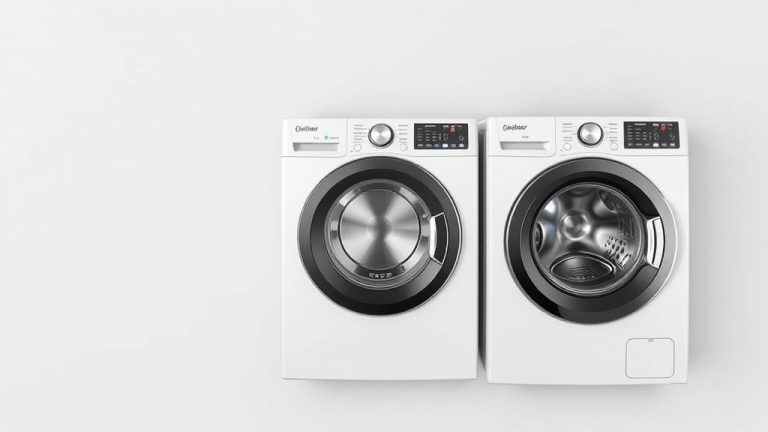
The dimensions of a washer and dryer can vary, but standard sizes are typically around 27 inches wide. Most front-load models measure about 27 inches wide by 30-34 inches deep. Stackable units often share these standard widths. Knowing these dimensions helps you find appliances that fit your laundry space perfectly.
When you’re shopping for a new washer or dryer, considering the physical size is as important as the features. You’ll want to measure your doorway, hallway, and the laundry room itself. We found that even a few inches can make a big difference when maneuvering large appliances into your home.
- Standard washer and dryer width is usually 27 inches.
- Depth often ranges from 30 to 34 inches.
- Check height too, especially for stackable units.
- Measure your doorways and laundry room!
Let’s walk through exactly what to expect regarding washer and dryer dimensions so you can choose the right set for your home.
Understanding Washer and Dryer Dimensions for Your Home
When you’re ready for a laundry upgrade, knowing the exact size of your new appliances is a big deal. It’s not just about how much laundry they can hold, but also about whether they’ll actually fit in your home. We found that measuring is one of the most important steps you can take.
Standard Washer and Dryer Sizes: The Basics
Most standard washers and dryers come in predictable sizes. This makes shopping a bit easier. The width is often the most consistent measurement you’ll encounter.
Width: The Most Common Measurement
You’ll find that most residential washers and dryers are around 27 inches wide. This is a very common size for both top-load and front-load models. It’s a good starting point when you begin measuring your laundry space. This standard width helps manufacturers create machines that fit into most typical laundry room layouts. Many people find this measurement works perfectly for their existing hookups.
Depth: Where Space Can Vary
Depth is where you’ll see more variation. This measurement is critical, especially for front-load washers. It includes the depth of the drum and any controls or doors that stick out. We found that depths can range from about 30 inches to over 34 inches. Some high-efficiency models with larger drums can be even deeper. Always check the manufacturer’s specifications for the exact depth, including door swing if it’s a front-loader.
Height: Important for Stacking and Cabinets
Height is another dimension to consider, particularly if you plan to stack your units or have cabinets above them. Standard dryers often match the height of washers, around 36 to 40 inches. Stackable washer and dryer units have different height considerations. When stacked, they can reach over 70 inches tall. Make sure you have enough vertical clearance. We recommend checking ceiling height and any overhead shelving before you buy.
Different Types of Laundry Units and Their Sizes
Not all laundry setups are created equal. The type of washer and dryer you choose will influence its dimensions.
Top-Load vs. Front-Load Washers
Most top-load washers are about 27 inches wide. Their depths can vary, but they often don’t protrude as much as front-loaders when the lid is open. Front-load washers, while also typically 27 inches wide, can be deeper. They often have a more substantial control panel and a door that adds to the overall depth. Some experts mention that the convenience of front-loaders might come with a slightly larger footprint (Cleveland Clinic). Our guide to top-rated top-load washers can help you find the best fit.
Standard Pairs vs. Stackable Units
A standard pair of side-by-side washer and dryer units will take up more horizontal space. Their combined width will be roughly double that of a single unit, plus a few inches for clearance. Stackable units are designed to save floor space. They have the same standard width but are built to sit one on top of the other, requiring significant vertical space.
Compact and Apartment-Sized Appliances
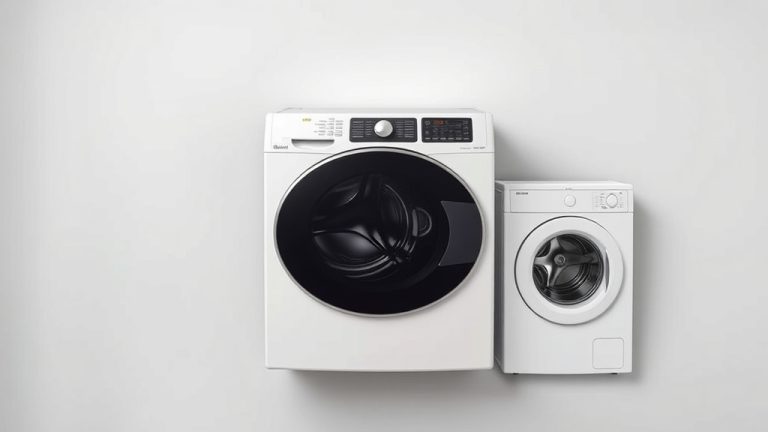
If you have a very small space, like a closet or a small apartment kitchen, you might need compact laundry units. These are often narrower, around 24 inches wide. Their depths and heights are also reduced. They are perfect for tight living situations. However, they usually have smaller capacities, meaning you’ll do laundry more often.
Beyond Appliance Dimensions: Space Requirements
It’s not enough to just know the appliance size. You need to think about the space around it.
Clearance for Installation and Use
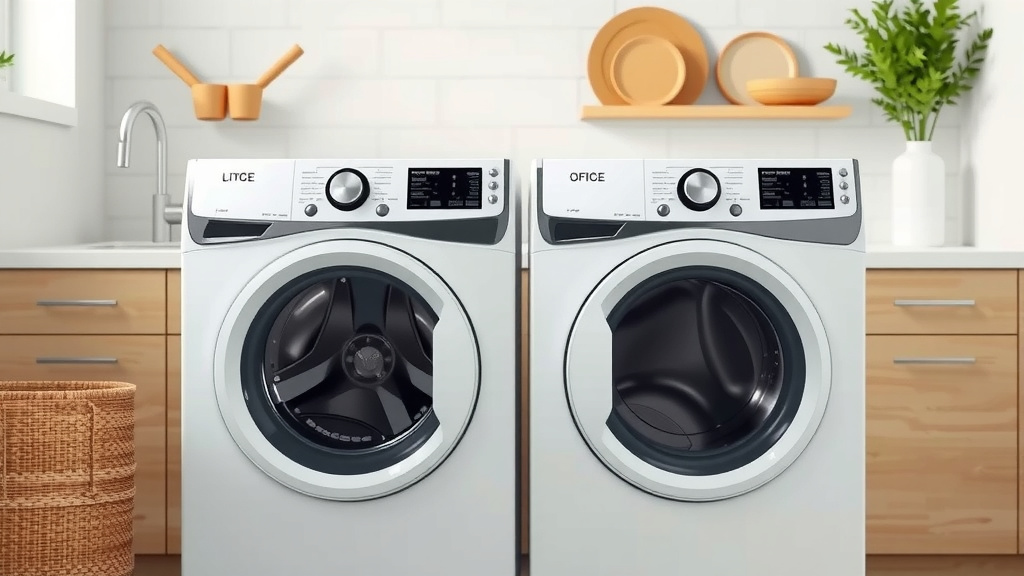
You’ll need space for the hoses and power cords behind the units. Many manufacturers recommend at least 4-6 inches of clearance at the back for ventilation and connections. This is especially true for dryers, which generate heat and moisture. Also, consider clearance for opening doors or lids. A front-load door needs space to swing open fully without hitting a wall or cabinet. Top-load lids also need room to lift completely.
Doorways and Hallways: The Gauntlet Run
This is where things can get tricky. You need to make sure your new washer and dryer can even get *to* the laundry room. Measure all doorways, hallways, and stairwells they will need to pass through. Remember to account for the diagonal measurement if you need to tilt the appliance. We found that taking a flexible measuring tape to the store or measuring your old appliances can be a lifesaver.
Laundry Room Layout Considerations
Think about the overall flow of your laundry room. Will you have enough space to fold clothes comfortably? Can you stand in front of the machines without feeling cramped? If you have overhead cabinets, ensure they don’t interfere with opening the dryer door or lifting the washer lid. Proper spacing makes laundry day much less of a chore.
Quick Checklist for Measuring Your Laundry Space
Before you buy, use this quick checklist:
- Measure the width of your laundry space.
- Measure the depth of your laundry space, including hose and door clearance.
- Measure the height, especially for stacking or cabinets.
- Measure all doorways and hallways for delivery.
- Check for nearby obstructions like pipes or vents.
- Note the location of water and electrical hookups.
Conclusion
We’ve covered a lot about washer and dryer dimensions, from standard widths and depths to how different unit types can affect your space. Remember, fitting these appliances involves more than just the machine’s size. You also need to account for clearances, doorways, and your room’s layout. Taking the time to measure accurately now will save you headaches later. Your next step is simple: grab your tape measure and start planning your perfect laundry setup.
Frequently Asked Questions
What’s the smallest standard washer and dryer size available?
For very compact spaces, you can find apartment-sized or compact units that are typically around 24 inches wide. These smaller machines are designed to fit into tighter spots like closets or small alcoves but usually have a smaller capacity.
Do I need to account for the hose length when measuring depth?
Yes, you absolutely should. Manufacturers often recommend 4-6 inches of clearance behind the unit for hoses, power cords, and ventilation. Always add this to the appliance’s depth when checking if it will fit your space and allow for proper installation.
Are front-load washers deeper than top-load washers?
Generally, yes. While both are typically around 27 inches wide, front-load washers tend to be deeper. This is often due to larger drum sizes and control panels that protrude slightly more than a top-load lid.
How much vertical space do I need for a stacked washer and dryer?
When stacked, a washer and dryer can reach over 70 inches tall. You need to ensure your ceiling height is sufficient, and also consider if overhead cabinets will interfere with opening the top unit’s door or lid.
Can I just eyeball the measurements for my doorway?
It’s best not to. Appliance dimensions can be deceiving, and a few inches can make a big difference. Always use a tape measure for doorways, hallways, and stairwells to ensure your new appliances can actually be delivered to your laundry room.