Stackable Washer Dryer Width: Your Ultimate Guide
The width of a stackable washer and dryer unit is typically around 27 inches. This standard size makes them a popular choice for saving space in your laundry room. Most stackable sets are designed to fit within this common dimension for easy installation.
When considering a stackable washer and dryer, it’s important to measure your space carefully. While 27 inches is the norm, some models might vary slightly in width. You also need to account for door clearance and ventilation needs. Checking the exact dimensions of any unit is always a smart move before you buy.
- Standard width is usually 27 inches.
- Check specific model dimensions for accuracy.
- Factor in space for doors and ventilation.
- Stackable units are great for small spaces.
Let’s dive into the specifics of stackable washer and dryer widths, and what you need to know to find the perfect fit for your home.
Your Guide to Stackable Washer and Dryer Dimensions
So, you’re looking to squeeze a laundry setup into a tight spot. Smart move! Stackable washer and dryer units are champions of space-saving. But before you fall in love with a sleek design, let’s talk about the most critical measurement: the width.
The good news is, manufacturers tend to stick to a standard. Most stackable washer and dryer units measure right around 27 inches wide. This is a deliberate choice to ensure they fit into typical alcoves and laundry closets. It’s like a universal key for many homes.
Understanding Standard Widths
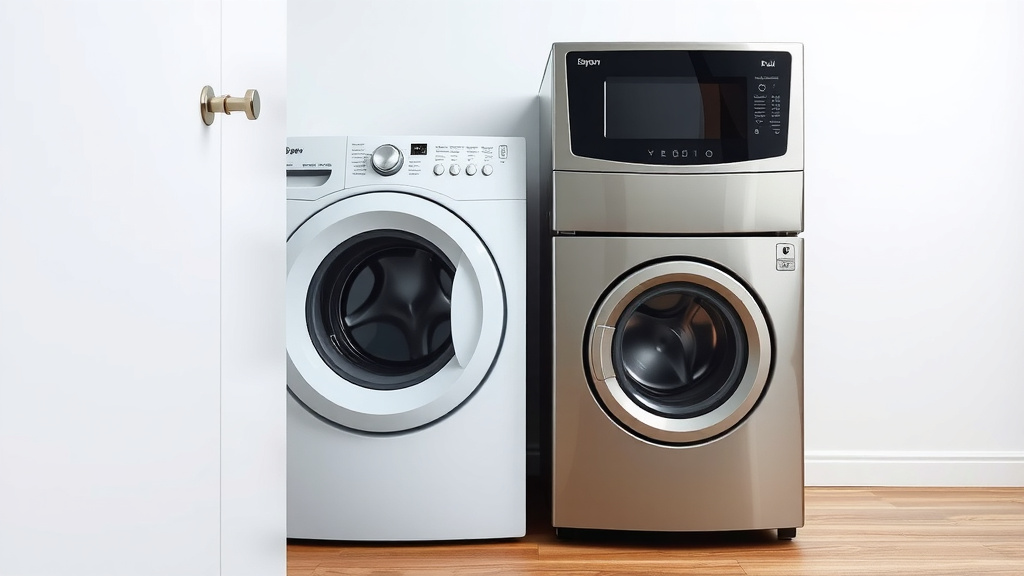
When we talk about the width of a stackable washer and dryer, we’re primarily referring to the front-facing measurement of the individual units. These appliances are designed to be stacked, with the dryer sitting on top of the washer. This design naturally lends itself to a narrower profile compared to side-by-side models.
Why 27 Inches?
This 27-inch standard isn’t accidental. Many homes in the US were built with laundry spaces that can accommodate this dimension. Think about older homes or apartments where space is at a premium. Builders often allocated closets or small rooms with this width in mind. It makes selecting a unit much easier.
Research indicates that the average doorway width in many homes is around 30-32 inches. A 27-inch wide unit can typically fit through these openings, though it’s always wise to measure your doorways just in case. You don’t want to buy the perfect unit only to find it can’t make it to the laundry room!
Variations to Expect
While 27 inches is the most common width, you might find slight variations. Some compact models could be a hair narrower, perhaps 24 inches. High-capacity units might be a touch wider, creeping closer to 29 or 30 inches. It’s rare, but it happens. Always double-check the manufacturer’s specifications.
Think of it like buying shoes. Most sizes are standard, but some brands or styles might fit a little differently. The same applies to appliances. A half-inch difference might not seem like much, but it could be the deciding factor in a tight space.
Beyond the Width: Other Dimensions Matter
Width is important, but it’s only one piece of the puzzle. You also need to consider the depth and height of stackable units. These can significantly impact installation and usability.
Depth Considerations
The depth of a stackable washer and dryer is typically around 30 to 34 inches. This measurement is from the front of the machine to the back. You need to ensure you have enough clearance so the units don’t protrude too far into your walkway.
Don’t forget to factor in the space needed for hoses and electrical cords at the back. You might need an extra 4-6 inches of clearance for these connections. This is a common oversight that can lead to problems during installation. We found that many people forget about the space behind the appliance.
Height of Stacked Units
When stacked, these units can be quite tall. Expect a combined height of around 70 to 80 inches. This is taller than most standard doorways, so the units will likely need to be brought into the room unassembled or tilted carefully. You’ll definitely want to measure your ceiling height!
The height of the washer alone is usually around 36 inches, and the dryer is about 34 inches. Add in the height of the stacking kit, and you get a substantial appliance. Make sure there’s enough headroom, especially if you plan to place anything on top of the stacked unit (though this is generally not recommended).
Measuring Your Space: The Smart Shopper’s Checklist
Before you click “add to cart,” grab your tape measure. A little preparation goes a long way. Here’s what you need to check:
- The width of the designated laundry space.
- The height of the space, including the ceiling.
- The depth of the space, accounting for wall obstructions.
- The width of all doorways the unit will need to pass through.
- The depth of doorways if the unit is tall and needs to be tilted.
- Space for vent hoses and electrical connections behind the units.

What If You Don’t Have the Standard Space?
It’s possible your laundry area is smaller or oddly shaped. Don’t despair! There are still options, though they might require a bit more creativity.
Compact Stackable Units
Some manufacturers offer compact stackable washer and dryer sets. These are often around 24 inches wide. They are perfect for very small apartments, RVs, or mobile homes. They sacrifice some capacity for their smaller footprint.
All-in-One Washer Dryer Combos
Another solution is an all-in-one washer dryer combo. These units wash and dry clothes in a single drum. They typically have a width similar to compact stackables (around 24 inches) and are much shallower. They are a fantastic choice when space is extremely limited.
The trade-off with combos is that drying cycles can take longer, and capacity is usually smaller. You also can’t dry as much as you wash at one time. Many experts note that these are best for singles or couples who do smaller loads of laundry frequently (Cleveland Clinic).
Don’t Forget About Clearance!
Beyond the static dimensions, you need to think about clearance for operation. This is space needed for things like opening the doors and allowing air circulation.
Door Swing and Accessibility
Even though the dryer is on top, you still need to open the washer door. Ensure there’s enough space for the door to swing open fully without hitting a wall or cabinet. Some washers have reversible doors, which can help in tricky situations. We found that accessibility is key for loading and unloading laundry.
Ventilation Requirements
Dryers, in particular, need good ventilation to operate efficiently and safely. For a vented dryer, you’ll need space behind the unit for the exhaust vent to connect and route properly. For ventless dryers, you still need some air circulation around the unit.
Many guidelines suggest leaving at least 6 inches of clearance around the sides and back of the dryer for optimal airflow. This prevents overheating and helps your dryer perform its best. Skipping this can lead to longer drying times and potential appliance damage (Energy Star).
Table: Typical Stackable Washer & Dryer Dimensions
Here’s a quick reference for the numbers we’ve discussed. Remember to always check the specific model you’re interested in!
| Dimension | Typical Range (Inches) | Considerations |
|---|---|---|
| Width | 27″ (most common), 24″-30″ (variations) | Fits standard laundry closets. Check doorways. |
| Depth | 30″-34″ | Account for door swing and back connections (4-6 extra inches). |
| Height (Stacked) | 70″-80″ | Measure ceiling height. Consider access for delivery. |
By now, you should have a much clearer picture of what to expect regarding stackable washer and dryer widths. It’s usually a straightforward 27 inches, but knowing the other dimensions and clearance needs is just as important for a successful installation.
Conclusion
You’ve learned that while 27 inches is the standard width for most stackable washer and dryer units, a few variations exist. Remember to always verify the exact dimensions for any model you’re considering. Beyond width, don’t forget depth, height, and crucial clearance for doors and ventilation. Measuring your space thoroughly is your most important next step.
With these measurements in hand, you can confidently shop for a stackable unit that fits perfectly. Your journey to a more efficient laundry space is well underway!
Frequently Asked Questions
Are all stackable washer and dryers exactly 27 inches wide?
No, while 27 inches is the most common width, you’ll find models that range from 24 inches for compact options to around 30 inches for some larger capacity units. Always check the specific product specifications.
Can a 27-inch wide washer and dryer fit through a standard 30-inch doorway?
Yes, a 27-inch wide appliance should typically fit through a 30-inch doorway without issues. However, it’s always a good idea to measure your doorways, especially if they have trim or unusual frames.
What happens if my laundry space is only 25 inches wide?
If your space is narrower than the standard 27 inches, you’ll need to look for compact stackable units, which are often around 24 inches wide. Alternatively, consider a stacked all-in-one washer dryer combo.
Do I need extra space on the sides of my stackable washer and dryer?
Yes, you need to account for ventilation. Manufacturers often recommend at least 6 inches of clearance around the sides and back, especially for the dryer, to ensure proper airflow and efficient operation.
How much space do I need behind the stackable units for hoses?
You’ll generally need an additional 4 to 6 inches of space behind the units for water hoses, electrical cords, and dryer vents. This prevents kinking and ensures good connections.