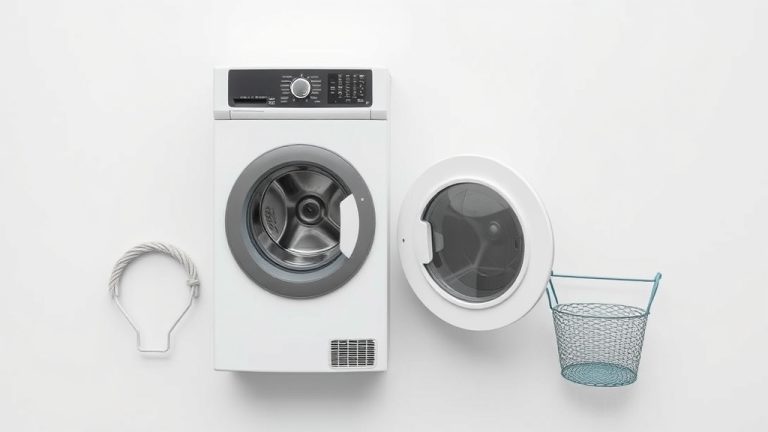
What Is a Vented Electric Dryer and How Does It Work
A vented electric dryer is a common home appliance that uses electricity to heat air and then vents that hot, moist air outside through a duct. Unlike ventless models, these dryers require a connected exhaust hose and an opening to the exterior of your home. This design allows them to dry clothes quickly by expelling humidity efficiently.
You’ll find vented electric dryers in many households because they are generally more affordable upfront and dry clothes faster than their ventless counterparts. Understanding how they work helps you maintain them properly and ensure they operate at their best performance. They need proper airflow to prevent overheating and extend their lifespan.
- A vented electric dryer heats air with electricity.
- It expels moist air outside through a duct.
- This type of dryer needs an outdoor vent.
- They tend to dry clothes faster.
- Proper venting is key for efficiency.
Let’s walk through exactly how a vented electric dryer works and what you need to know about keeping yours running smoothly.
Understanding Your Vented Electric Dryer
So, what exactly is a vented electric dryer? Simply put, it’s the workhorse of laundry rooms everywhere. It uses electricity to heat up the air inside the drum. This warm air then tumbles with your wet clothes, absorbing moisture. The magic happens next: this hot, moist air is pushed out of your home through a special duct or vent.
How the Drying Process Works
Think of it like a hairdryer for your clothes. Electricity powers a heating element, which warms the air. A fan then blows this heated air into the rotating drum. As the drum spins, your clothes tumble around. This tumbling action exposes all sides of the fabric to the warm, dry air. The air picks up the moisture released from the clothes.
The Role of the Heating Element
The heart of the heating system is an electric resistance heater. When electricity flows through it, the element gets very hot. This hot air is then directed into the drum. The temperature is carefully controlled to prevent damage to your clothes while drying them efficiently. Many models have different heat settings for various fabric types.
The Importance of Airflow
Airflow is absolutely key to a vented dryer’s performance. The fan’s job is to create a continuous circulation of air. It pulls fresh air in, heats it, pushes it through the drum, and then expels the moist air outside. If this airflow is blocked, the dryer can’t remove the humidity effectively. This means longer drying times and potential overheating.
Why a Vent to the Outside is Necessary
This is where the “vented” part comes in. Unlike some other dryer types, your electric dryer needs a direct path to the outdoors. This path is usually a flexible or rigid duct hose. It connects the dryer to an exterior vent cap on a wall or roof. Without this vent, the moist air has nowhere to go. It would just recirculate inside your laundry room, making things damp.
The Moisture Removal Challenge
Clothes fresh from the washing machine are heavy with water. Your dryer’s mission is to evaporate that water. The warm, dry air from the heating element does this job. The more effectively the moist air is removed, the faster your clothes will dry. A clear, unobstructed vent ensures this critical step happens efficiently.
Potential Problems with No Vent
If you tried to run a vented dryer without connecting the duct, you’d have a very humid laundry room. This excess moisture can lead to mold and mildew problems over time. It could also make your clothes feel only partially dry, even after a long cycle. It’s like trying to dry off with a wet towel; it just doesn’t work well.
Vented vs. Ventless Electric Dryers: Key Differences
You might be wondering how your vented dryer compares to a ventless one. The main difference lies in how they handle moisture. Your vented dryer expels it outdoors. Ventless models, on the other hand, condense the moisture into water, which is collected in a reservoir or drained away.
Drying Speed and Efficiency
Generally, vented electric dryers are known for faster drying times. This is because they efficiently remove the bulk of the moisture from the air and out of your home. Ventless models, while convenient for small spaces, often take longer to dry a load. This is due to the different mechanism they use to remove water.
Installation and Home Requirements
Setting up your vented dryer involves a bit more than just plugging it in. You’ll need a dedicated electrical outlet and, crucially, that outdoor vent connection. This means you might need to install a vent hood and run ductwork if your home doesn’t already have one. Many homes already have these built-in, making installation straightforward. A ventless model typically only requires an electrical outlet and sometimes a drain hookup, making it easier to place anywhere.
Maintenance and Airflow Checks
Regular maintenance is essential for any appliance, and your vented dryer is no exception. The most critical part of this maintenance is keeping the lint filter clean. This filter traps lint shed by your clothes. A clogged lint filter is a major cause of poor airflow and can even be a fire hazard.
Cleaning Your Lint Filter
You should clean the lint filter after every single load. It’s usually a simple pull-out drawer located inside the door or on the top of the dryer. Just pull it out, remove the lint, and slide it back in. It takes mere seconds, but it makes a huge difference in drying performance and safety.
Checking the Dryer Vent Duct
Beyond the lint filter, you should periodically check the dryer’s vent duct itself. Over time, lint can build up inside the duct, restricting airflow. We recommend cleaning the duct at least once or twice a year. You can often do this yourself with a special vent brush kit. For longer duct runs, you might consider hiring a professional. Keeping this duct clear is vital for efficiency and fire prevention (U.S. Fire Administration).
Energy Consumption Considerations
Vented electric dryers use electricity for both the heating element and the drum’s motor. Their efficiency can vary based on the model and how well they are maintained. Because they dry faster, they might use less energy per load compared to a ventless model that runs for a longer time. However, older or poorly maintained vented dryers can be less efficient. Ensuring your vent is clear helps your dryer operate at its peak efficiency, using less energy to get the job done.
Here’s a quick checklist for keeping your vented dryer in top shape:
- Clean the lint filter after every load.
- Check the lint filter for tears or damage.
- Inspect the vent duct for lint buildup.
- Ensure the exterior vent cap isn’t blocked by debris.
- Consider a professional vent cleaning annually.
- Listen for unusual noises from the dryer.
Conclusion
You now understand that a vented electric dryer is your reliable workhorse for quickly drying clothes by heating air and expelling moisture outdoors. Its efficiency hinges on proper airflow, making regular maintenance like cleaning the lint filter and vent duct essential. By keeping these components clear, you ensure faster drying times, prevent potential hazards, and help your dryer perform at its best. Taking a few moments after each load and a few times a year for deeper checks will make a big difference in your laundry routine.
Frequently Asked Questions
Do I need a special outlet for a vented electric dryer?
Yes, most vented electric dryers require a dedicated 240-volt outlet. This is different from the standard 120-volt outlet used for many other appliances. Always check your dryer’s manual and consult an electrician if you’re unsure about your home’s wiring.
How often should I clean my dryer vent duct?
It’s recommended to clean your dryer vent duct at least once or twice a year. Lint buildup can significantly reduce airflow, slow down drying times, and pose a fire risk. More frequent cleaning may be necessary if you notice longer drying cycles.
Can I run my vented dryer without a vent hose connected?
No, you should never run a vented electric dryer without a properly connected vent hose leading outside. Doing so will fill your laundry room with hot, moist air, potentially causing mold and mildew issues, and will not effectively dry your clothes.
What’s the main advantage of a vented electric dryer over a ventless one?
The primary advantage is speed. Vented dryers generally dry clothes much faster because they efficiently expel moisture directly outdoors. They also tend to be more effective at removing humidity from your clothes.
Are vented electric dryers more expensive to run than ventless models?
It can depend on usage and model efficiency. Vented dryers often dry loads faster, potentially using less energy per cycle than a ventless dryer that runs for a longer period. However, ensuring the vent is clear is key to maintaining energy efficiency for your vented model.