Choosing the Best Washing Machine for Your Home
The best washing machine to purchase for your home really depends on your specific needs, budget, and laundry habits. However, based on expert reviews and consumer feedback, front-load washers generally offer superior cleaning performance and water efficiency. For those prioritizing capacity and convenience, a large-capacity top-load washer can be a great choice. We’ve researched many models to help you make the best decision.
When choosing, think about the type of washer (top-load vs. front-load), its energy efficiency ratings, and the various wash cycles available. Some machines come with smart features that allow remote control. Others focus on quiet operation or extra-gentle fabric care. Considering these factors will guide you to a machine that fits perfectly into your routine and your laundry room.
- Front-loaders often clean best and save water.
- Top-loaders offer convenience and sometimes larger capacities.
- Look at energy efficiency to save on utility bills.
- Consider the wash cycles you’ll use most often.
- Smart features can add convenience for busy households.
Let’s dive into the details so you can find the washing machine that’s just right for you.
Finding Your Ideal Washing Machine
Choosing the right washing machine can feel like a big decision. You want something that cleans your clothes well, doesn’t break the bank, and makes laundry day a little less of a chore. We’ve looked into what makes a washing machine truly great. Many experts agree that the best washing machine for you depends on your lifestyle and what you need it to do.
Think about the common tasks you face. Do you have a big family with mountains of laundry? Or are you a solo dweller with just a few items each week? Your answers will point you toward the right type and size of washer.
Top-Load vs. Front-Load: The Great Debate
When you start shopping, you’ll quickly see two main types: top-load and front-load washers. Each has its own personality and set of pros and cons. Understanding these differences is key to making a smart choice.
The Case for Top-Load Washers
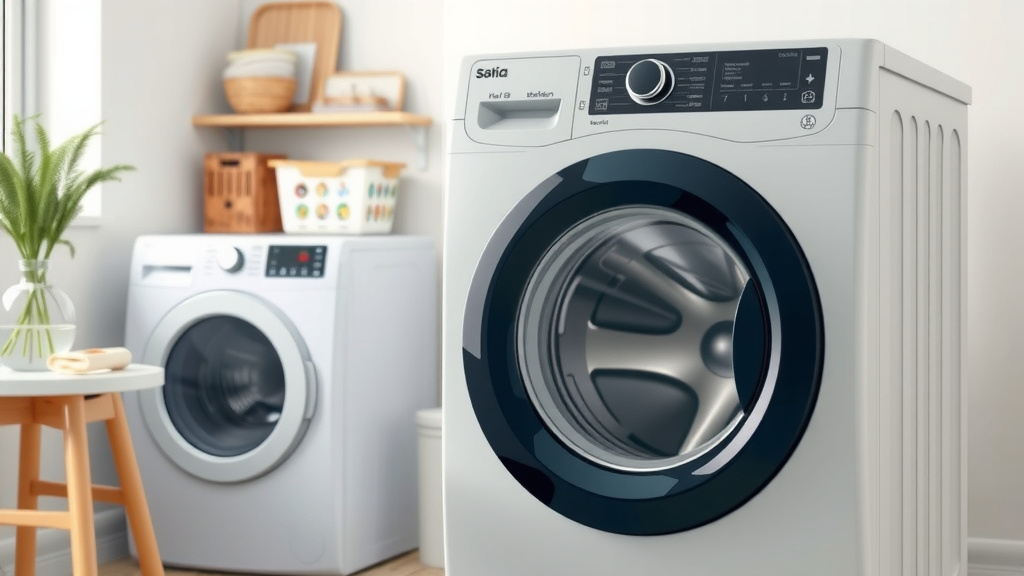
Top-load washers are often seen as the classic choice for American homes. They are generally easier to load and unload. You don’t have to bend down as much, which is a big plus for many people. Plus, you can easily add a forgotten sock mid-cycle. That’s a convenience many of us appreciate!
Agitator vs. Impeller Top-Loaders
Within top-loaders, there are two subtypes. Older models and many budget-friendly ones use an agitator. This is a central post that twists and turns your clothes. It’s effective but can be a bit rough on fabrics. Newer, more advanced top-loaders use an impeller. This is a low-profile cone or disc at the bottom of the drum. It moves clothes gently through the water, often leading to better fabric care and less tangling.
The Charm of Front-Load Washers
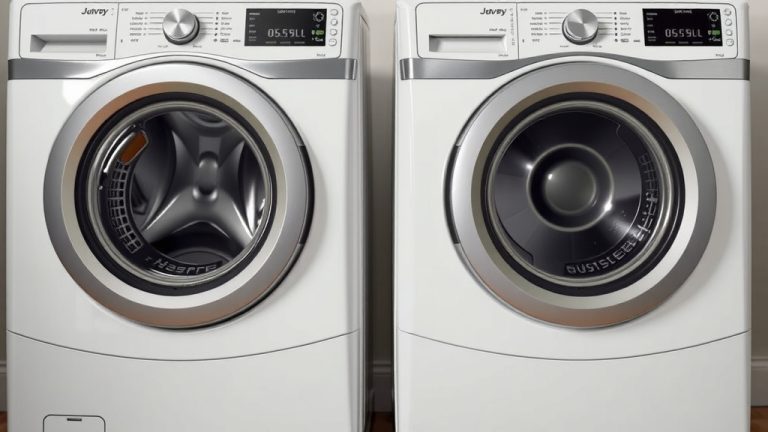
Front-load washers have become incredibly popular, and for good reason. They generally offer superior cleaning performance. The tumbling action they use is very effective at removing stains. They also tend to be much more water and energy efficient. This means lower utility bills over time, which is always a good thing.
Many front-loaders have a sleeker design and can be stacked with a dryer to save space. However, they do require you to bend down to load and unload. Also, some people find their wash cycles can be longer. We found that many users don’t mind the longer cycles because the clothes come out cleaner and drier, reducing dryer time.
Capacity: How Much Laundry Do You Do?
The size of your household directly impacts the washer capacity you’ll need. Washing machine capacities are measured in cubic feet. What size is right for you?
- Small capacity (2.0-3.5 cu. ft.): Ideal for singles or couples. You’ll wash smaller loads more frequently.
- Medium capacity (3.6-4.5 cu. ft.): A good fit for small families or couples who do a moderate amount of laundry.
- Large capacity (4.6-5.5+ cu. ft.): Perfect for big families or anyone who washes bulky items like comforters and large towels regularly.
We found that choosing a slightly larger capacity than you think you need can be beneficial. It allows you to wash bigger loads less often, saving time and energy.
Energy Efficiency: Saving Money and the Planet
Energy Star certified appliances are designed to be more energy-efficient than standard models. This means they use less electricity and water. Look for the Energy Star label when you’re shopping.
The U.S. Environmental Protection Agency (EPA) notes that Energy Star certified washers can save households money on their utility bills. They also reduce greenhouse gas emissions. For example, many efficient models use less water per load. This is especially helpful if you’re on a water meter or live in an area with water restrictions.
| Washer Type | Typical Water Use Per Load | Typical Energy Use (kWh/year) |
|---|---|---|
| Standard Top-Load (Agitator) | 40-50 gallons | 150-200 kWh |
| High-Efficiency Top-Load (Impeller) | 25-35 gallons | 100-150 kWh |
| Front-Load | 15-25 gallons | 80-120 kWh |
As you can see, front-loaders consistently use less water and energy. High-efficiency top-loaders are also much better than older models.
Wash Cycles and Features to Consider
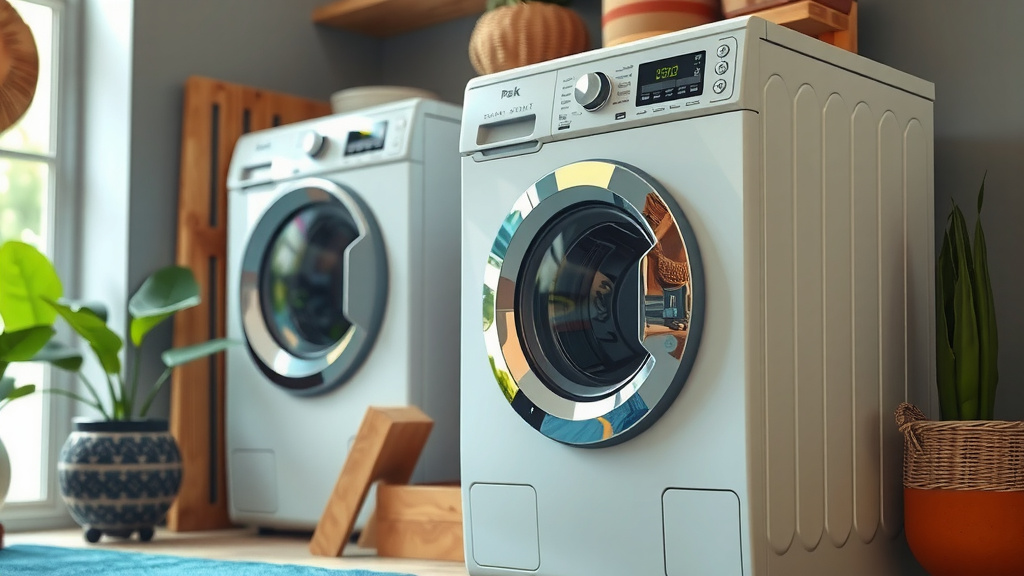
Modern washing machines come with a dizzying array of wash cycles and features. You don’t need every single one, but some can be incredibly useful. Think about the types of clothes you wear and how you usually wash them.
Common and Useful Cycles
- Normal/Cotton: For everyday items like shirts, pants, and towels.
- Delicates/Hand Wash: For more sensitive fabrics like lingerie, silks, or delicate knits.
- Heavy Duty: For heavily soiled items or sturdy fabrics that need extra cleaning power.
- Quick Wash: For lightly soiled items you need cleaned in a hurry.
- Sanitize: Uses higher temperatures to kill germs and allergens. Great for bedding and baby clothes (Cleveland Clinic).
- Bulky/Bedding: For large items that need more space to move.
Smart Features and Other Conveniences
Many new washers offer smart technology. This means you can connect them to your home Wi-Fi. You might be able to start or stop cycles using your smartphone. Some apps even send you notifications when a load is finished. This can be a lifesaver for busy households.
Other features to consider include:
- Steam functions: Can help remove stains and reduce wrinkles.
- Internal water heater: Ensures water reaches optimal temperatures for better cleaning.
- Quiet operation: Some models are designed to run very quietly, which is great for open-plan living.
- Self-cleaning cycles: Helps keep your machine fresh and free of mold or mildew.
Your Laundry Machine Checklist
To help you narrow down your options, here’s a quick checklist:
- Determine your capacity needs based on household size.
- Decide between front-load and top-load based on your preferences.
- Look for Energy Star certification to save on utility bills.
- Identify the wash cycles you’ll use most often.
- Consider extra features like steam or smart capabilities if they fit your budget and lifestyle.
Conclusion
You’re now well-equipped to find the best washing machine for your home. Remember, the ideal machine balances your laundry needs with your budget and lifestyle. We found that front-load washers often excel in cleaning and efficiency. For ease of use and sometimes larger capacity, consider a top-load model. Always check the Energy Star rating to save on utility bills. Take a moment to review the wash cycles and features that will make your laundry routine simpler. Your next step is to visit a retailer or browse online, armed with this knowledge, and find the washer that truly fits.
Frequently Asked Questions
Are front-load washers worth the extra cost?
Many research studies and consumer reports suggest they are. While the upfront cost might be higher, front-loaders generally use less water and energy. This can lead to significant savings on your utility bills over the lifespan of the machine. They also tend to offer better cleaning performance for many types of loads.
How often should I run a cleaning cycle on my washing machine?
It’s a good idea to run a cleaning cycle or a hot water wash with a bit of vinegar or specialized cleaner about once a month. This helps prevent the buildup of mold, mildew, and soap scum, especially in front-load machines. This keeps your washer running efficiently and your clothes smelling fresh.
What is the difference between an agitator and an impeller washing machine?
An agitator is a central post in a top-load washer that twists and turns clothes, which can be tough on fabrics. An impeller is a low-profile disc or cone at the bottom of the drum in newer top-load washers. It gently moves clothes through the water, often resulting in better fabric care and less tangling.
Can I wash my workout clothes in any washing machine?
Yes, you can wash most workout clothes in a modern washing machine. For best results and to protect the fabric’s performance features, we recommend using the delicates cycle or a normal cycle with cold water. Avoid using fabric softener, as it can degrade the material over time.
How do I know if I need a large-capacity washing machine?
Consider your household size and laundry habits. If you have a family of four or more, frequently wash bulky items like comforters, or find yourself doing multiple loads of laundry per week, a large-capacity washer would be a good fit. This can save you time by allowing you to wash more clothes at once.