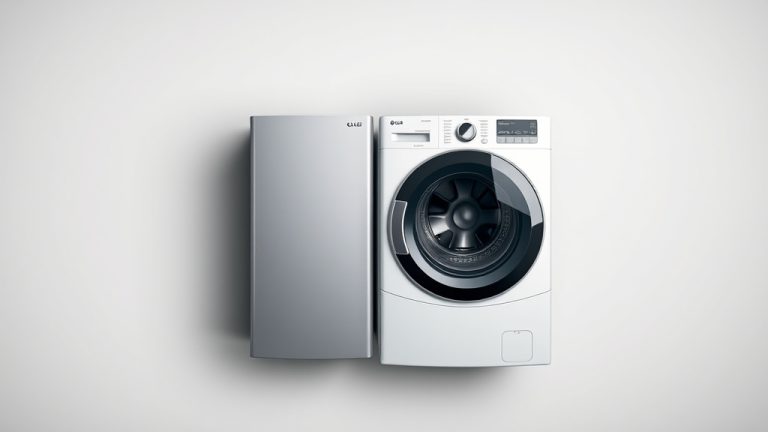
Top Load vs Front Load Washer: Which is Better
Deciding between a top-load and front-load washer can feel like a big choice. While both get your clothes clean, front-load washers generally offer better cleaning performance and use less water. Top-loaders, on the other hand, are often quicker and more affordable upfront.
We’ve looked into what makes each type stand out. Top-loaders are known for their simplicity and faster cycles. Front-loaders typically provide a more gentle wash and are more energy-efficient over time. Your laundry needs will likely point you to the right direction.
- Front-loaders clean better and use less water.
- Top-loaders are usually faster and cheaper to buy.
- Consider your budget and how much time you have.
- Think about water and energy savings long-term.
Let’s dive into the details to help you figure out which type of washing machine is the perfect fit for your home.
Top-Load vs. Front-Load Washers: Which Is Right For You?
Choosing between a top-load and a front-load washer is a common laundry room dilemma. Both types of machines will get your clothes clean. But they each have their own strengths. Your daily routine and budget can really point you in the right direction. Let’s break down what makes each one tick.
Understanding Top-Load Washers
Top-load washers are what many of us grew up with. You open the lid from the top to toss in your clothes. There are two main types you’ll find today: the traditional agitator models and the newer high-efficiency (HE) impeller models. An agitator is a central post that twists and turns clothes. An impeller is a low-profile cone or disc at the bottom.
The Agitator Style
These are the classic machines. They use a tall, central post, or agitator, to move clothes around in the water. They tend to be quite robust. You can usually stuff a lot of laundry into them. They are also generally less expensive to purchase upfront.
However, agitator models often use more water than other types. They can also be a bit harsher on your clothes. Think of it like a vigorous scrub. That’s great for tough stains, but maybe not ideal for your favorite sweater.
High-Efficiency (HE) Top-Loaders
These are the newer generation of top-loaders. Instead of a central agitator, they use a low-profile impeller at the bottom. This allows for more space in the drum. You can fit larger loads in HE top-loaders. They also use less water than older agitator models. Many people find them gentler on fabrics, too.
HE top-loaders offer a good balance. They’re still convenient to load because there’s no bending over. The wash cycles can be quite fast. This is a big win if you’re in a hurry. Plus, they generally cost less than front-load machines.
Exploring Front-Load Washers
Front-load washers have a door on the front. You load clothes into a drum that tumbles them. They’ve become very popular over the years. Many people find they offer a superior clean. They are also known for being very water and energy efficient.
The tumbling action of a front-loader is quite different. Clothes are lifted and dropped back into the water. This mimics hand washing. It’s a much gentler way to get dirt out. This can mean your clothes last longer.
Performance and Efficiency
When it comes to cleaning power, front-loaders often come out on top. Their tumbling action is very effective. Many studies show they provide a deeper clean. They are also excellent at removing stains. The Centers for Disease Control and Prevention (CDC) suggests that HE machines, which often include front-loaders, use significantly less water than older models.
And let’s talk about water. Front-loaders use about 40% less water than traditional top-loaders. This can lead to noticeable savings on your water bill. They also use less energy. This is because they don’t have to heat as much water. Over the lifespan of the machine, these savings can really add up.
Convenience and Features
One common drawback is that you have to bend down to load and unload. This can be tough on your back. However, many manufacturers now offer pedestals. These raise the machine, making it easier to use. Many front-loaders also come with advanced features. Think steam cycles, sanitize options, and smart technology.
The cycle times on front-loaders can sometimes be longer. This is because they are so efficient with water usage. They spin at much higher speeds too. This extracts more water from your clothes. This means less time in the dryer. That saves you even more energy and money!
Direct Comparison: Key Differences
Let’s put them head-to-head on the most important factors. This will help you see which one aligns best with your priorities.
| Feature | Top-Load Washer | Front-Load Washer |
|---|---|---|
| Cleaning Performance | Good to Very Good (HE models better) | Excellent |
| Water Usage | High (Agitator) to Moderate (HE) | Low |
| Energy Usage | Moderate to High | Low |
| Gentleness on Clothes | Moderate (Agitator) to Good (HE) | Excellent |
| Cycle Time | Faster | Slower (but faster drying) |
| Upfront Cost | Lower | Higher |
| Ergonomics (Loading) | Easy (no bending) | Requires Bending (or pedestal) |
| Mold/Mildew Potential | Low | Higher (if not maintained) |
Cost Considerations
Generally, top-load washers, especially traditional agitator models, are more affordable when you buy them. You can often find a decent top-loader for several hundred dollars less than a comparable front-loader. This initial price difference is a big factor for many households.
However, remember to think about the long-term costs. Front-loaders use significantly less water and energy. Over the life of the appliance, these savings can offset the higher purchase price. Many experts suggest looking at the total cost of ownership, not just the sticker price (Energy Star).
Maintenance and Upkeep
Top-load washers tend to be pretty straightforward. You don’t usually have to worry about standing water. Front-loaders, with their tight seals, can sometimes develop mold or mildew. This is especially true if you leave the door closed after a wash. Leaving the door ajar or wiping down the seal regularly helps prevent this. It’s a small habit for a big payoff.
Making Your Final Decision
So, how do you choose? Think about what matters most to you. Do you need the quickest wash cycle possible? Do you have a tight budget for the initial purchase? A top-loader might be your best bet.
Are you focused on getting clothes the cleanest? Do you want to save water and energy over time? Is having the latest features important? A front-loader could be the perfect fit for your laundry room.
Your Laundry Checklist:
- Consider your laundry habits (how often do you wash?).
- Think about the size of your typical loads.
- Evaluate your budget, both upfront and long-term.
- Assess your space and any accessibility needs.
- Decide if energy and water savings are a priority.
- Check your laundry room for potential mold issues with front-loaders.
Conclusion
Choosing between a top-load and front-load washer comes down to your personal priorities. If speed and upfront cost are your main concerns, a top-loader might be your best fit. For superior cleaning, gentler fabric care, and long-term savings on water and energy, a front-loader often wins. Think about your laundry habits and your budget. Then, make the choice that best suits your home and lifestyle. Your next step is to look at specific models that match your chosen type and start comparing reviews.
Frequently Asked Questions
Can I add clothes mid-cycle to a top-load washer?
Yes, most traditional top-load washers allow you to open the lid and add forgotten items during the wash cycle. High-efficiency (HE) top-loaders might have a pause feature for adding clothes, but it’s often best to do so early in the cycle.
Are front-load washers really better at preventing mold and mildew?
While front-loaders can be more prone to mold if not maintained, their design often leads to better cleaning and less detergent residue. You can prevent mold by leaving the door ajar and wiping down the rubber seal regularly.
Which type of washer is generally more expensive to buy upfront?
Top-load washers, especially older agitator models, are typically less expensive to purchase initially. Front-load washers usually have a higher upfront cost, but their long-term savings can offset this.
Do front-load washers use less water than HE top-loaders?
Yes, research indicates that front-load washers generally use less water than even high-efficiency (HE) top-load models. This is due to their tumbling action and how they manage water levels.
Which washer type is gentler on your clothes?
Front-load washers are widely considered gentler on clothes due to their tumbling motion, which mimics hand washing. Agitator top-loaders can be harsher, while HE top-loaders offer a middle ground in fabric care.