Front Load vs Top Load Washer Capacity: What Fits More
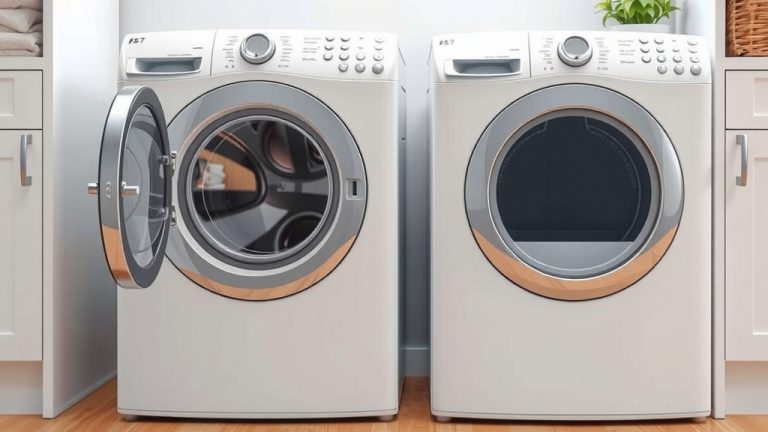
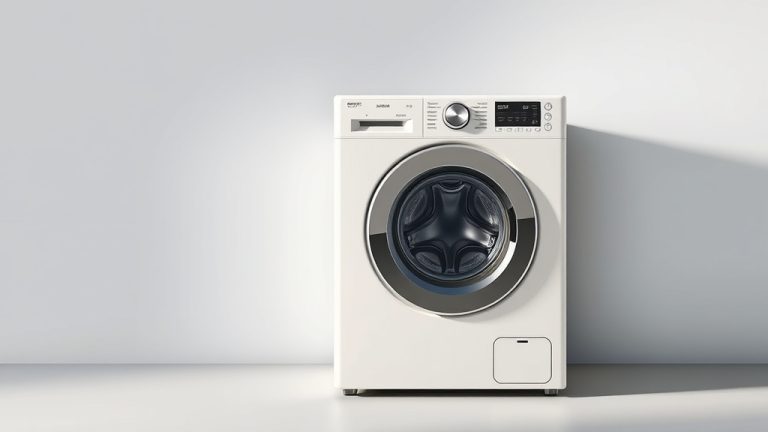
When comparing front load vs top load washing machine capacity, front loaders typically offer larger usable drum space. This means a front load washer can usually hold more laundry per cycle. So, if you’re looking to wash bigger loads, a front loader is often the better choice.
While both types can handle a good amount of clothes, the internal design of front load machines allows for a more efficient use of space. Top loaders sometimes have an agitator in the middle, which takes up room. We found that larger families often benefit from the extra capacity of a front load model.
- Front loaders usually have more usable capacity.
- This means they can hold more clothes per load.
- Top loaders can be limited by internal agitators.
- Consider your family size and laundry needs.
Let’s break down the differences and see which might be the best fit for your household’s laundry day.
Understanding Washer Capacity: Front Load vs. Top Load Differences
When you’re staring down a mountain of laundry, the capacity of your washing machine is a big deal. You want to fit as much as possible into each load, right? We’ve looked into how front-load and top-load washers stack up when it comes to holding your clothes. The main takeaway is that front-load washers generally offer more usable space.
Front Load Washers: Maximizing Drum Space
So, why do front-load washers often win the capacity race? It comes down to their design. Without a central agitator, the entire drum is available for your clothes. This means you can pack more in.
The Agitator Factor in Top Loaders
Many traditional top-load washers have a tall, finned piece in the center of the drum. This is the agitator. Its job is to twist and turn clothes, helping them rub against each other to get clean. While effective for some types of loads, this agitator takes up a significant amount of space. We found that this can really limit how much you can comfortably fit into a top-load machine.
Capacity Ratings: What Do They Mean?
Washer capacity is usually measured in cubic feet. This tells you the volume of the drum. A higher cubic foot number generally means a larger capacity. However, a machine with a higher rating doesn’t always translate to more clothes if a large portion of that space is taken up by internal components, like that pesky agitator.
Real-World Load Sizes
Let’s think about it practically. If you have bulky items like comforters or large blankets, they can easily fill up a top-load machine. In a front-loader, these same bulky items might still leave room for a few towels or sheets. We found that for many households, this difference can mean one less load of laundry per week. That’s a win for everyone!
Top Loaders: Different Types, Different Capacities
Not all top-load washers are created equal. There’s a newer style that’s changing the game.
High-Efficiency (HE) Top Loaders
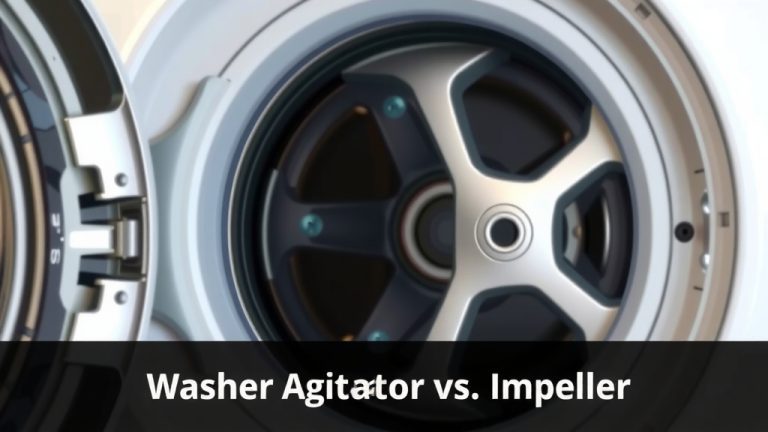
These newer top-load machines often mimic the design of front-loaders. They typically use a low-profile impeller at the bottom of the drum instead of a tall agitator. This impeller uses discs and vanes to move clothes. We found that HE top-loaders can offer much better capacity than traditional agitator models. They also tend to be more water-efficient.
Impeller vs. Agitator: A Capacity Comparison
So, if you’re leaning towards a top-loader, an HE model with an impeller is likely to give you more bang for your buck in terms of capacity. You’ll still have that convenience of loading from the top, but with less compromise on space. We found that many consumers choose HE top-loaders for this balance.
The Trade-offs of Top Loaders
Even with HE models, some people still prefer front-loaders for pure capacity. The complete absence of any central component in a front-loader means the entire drum volume is for clothes. If you are washing king-sized duvets or have a very large family, this can be the deciding factor. We found that user reviews often highlight this when comparing capacities.
Considering Your Laundry Needs
The best washing machine capacity for you depends on your lifestyle. Think about how much laundry you generate. Do you have a large family with lots of little clothes? Or are you a single person who does laundry once a week?
What We Found About Household Size
For larger households, typically 3-4 people or more, the extra capacity of a front-load washer can be a real time-saver. You might be able to consolidate laundry days. For smaller households, a standard or HE top-load washer might be perfectly adequate. We found that many people don’t actually need the absolute largest capacity available.
Bulky Items and Special Washes
Do you often wash bulky items like sleeping bags, large dog beds, or sports equipment? If so, maximizing drum space is probably high on your list. Front-loaders tend to excel here. They can often handle these large, awkward items more easily than even larger HE top-loaders. We found that some specialized washes benefit greatly from this unrestricted drum space.
| Feature | Front Load Washers | Top Load Washers (HE/Impeller) | Top Load Washers (Agitator) |
|---|---|---|---|
| Usable Drum Space | Generally Highest | Good | Moderate to Low |
| Handling Bulky Items | Excellent | Good | Fair |
| Max Load Size | Often Largest | Can be Large | Typically Smallest |
| Efficiency (Water/Energy) | Generally High | Moderate to High | Varies |
Making Your Choice: A Quick Checklist
To help you decide which type of washer might offer the capacity you need, consider these points:
- Assess your typical laundry volume. Do you have mountains or molehills?
- Think about bulky items. Do you wash comforters or sleeping bags often?
- Consider your family size. More people often mean more laundry.
- Check the cubic feet rating. Understand what that number truly represents.
- Look at HE top-loaders. They offer improved capacity over older models.
- Prioritize your needs. Is maximum capacity your top priority, or are other factors more important?
Conclusion
We’ve seen that when it comes to washing machine capacity, front-loaders generally offer the most usable drum space. This means they can often handle larger loads and bulky items more effectively than traditional top-loaders with agitators. However, newer high-efficiency (HE) top-loaders with impellers are closing the gap, providing a good balance of capacity and top-loading convenience. To make the best choice, consider your household size, the types of items you wash most often, and whether maximizing capacity is your top priority. Your next step is to measure your laundry space and compare the cubic footage of models that fit your needs.
Frequently Asked Questions
Can a top-load washer really hold as much as a front-load washer?
Generally, front-load washers offer more usable capacity because they don’t have a central agitator taking up space. High-efficiency (HE) top-loaders with impellers come close, but the complete absence of a central component in front-loaders often gives them the edge for maximum load size.
Will I notice a difference in capacity if I have a small family?
If you have a smaller family or live alone, you might find that even a standard or HE top-load washer has sufficient capacity for your needs. You may not need the absolute largest drum size available, so an HE top-loader could be a great compromise.
How does the agitator in a top-loader affect its capacity?
The agitator is a tall, finned post in the center of many traditional top-load washers. It takes up a good amount of space inside the drum, which directly reduces the amount of laundry you can comfortably fit into a load compared to a front-loader.
Are HE top-load washers always better for capacity than agitator models?
Yes, HE top-load washers typically offer better capacity than older models with agitators. They use a low-profile impeller instead, which frees up more drum space for your clothes and allows for larger loads.
What does “usable capacity” mean when comparing washers?
Usable capacity refers to the actual amount of space inside the drum where your clothes can move and get clean. Front-loaders often have more usable capacity because their entire drum is available, whereas top-loaders can have their space reduced by agitators or impellers.