Front Load vs Top Load: Which Cleans Better?
When it comes to getting your laundry sparkling clean, front load washers generally offer a superior clean compared to top load models. This is largely due to their tumbling action, which is gentler on clothes and allows for more effective detergent penetration. Many studies have found front loaders to be more efficient with water and energy, too.
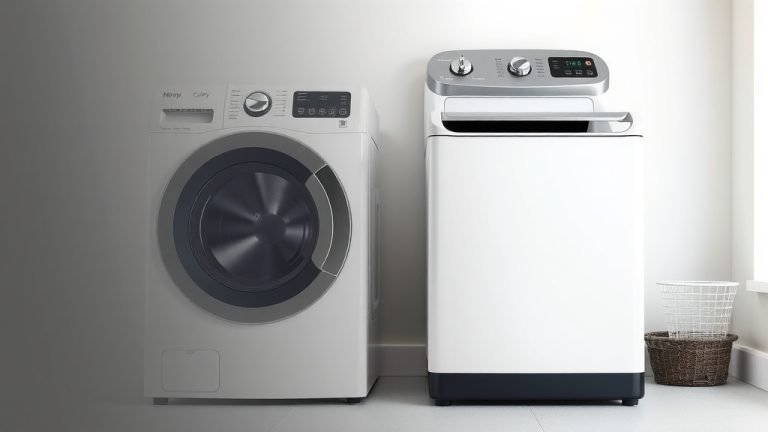
While both types of washing machines get the job done, the way they agitate clothes makes a real difference. Front loaders use gravity and a tumbling motion to move clothes. This action is often called a “tumbling wash.” Top loaders, on the other hand, typically use an agitator or an impeller. Research indicates that the tumbling method in front loaders is kinder to fabrics while still providing a deep clean. They often require less water, making them a more environmentally friendly choice.
- Front loaders usually clean better.
- They use less water and energy.
- Front loaders are gentler on your clothes.
- Top loaders can be faster and cheaper upfront.
- Both have pros and cons depending on your needs.
Let’s dive into the details and figure out which type of washing machine is the best fit for your home and laundry routine.
How to Choose the Washer That Cleans Best
Deciding between a front load and a top load washer can feel like a big choice. You want clothes that come out fresh and clean, right? Let’s break down how each type tackles laundry day.
Understanding Washing Machine Actions
The core difference lies in how they move your clothes. This motion is key to how well they clean.
The Tumbling Action of Front Loaders
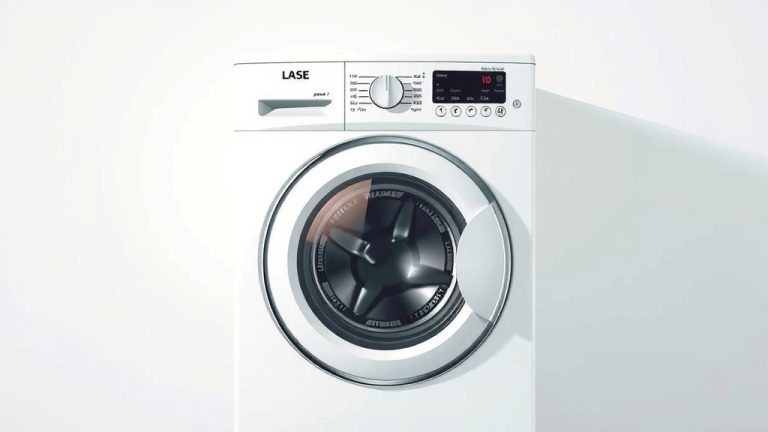
Front load washers use a tumbling motion. Think of it like a gentle dryer cycle. The drum rotates, lifting clothes up and then dropping them back into the water and detergent. This repeated lifting and dropping helps to loosen dirt and grime effectively. It’s a bit like giving your clothes a thorough, yet gentle, massage. Many laundry experts suggest this method is more effective at getting detergent deep into fabric fibers. This leads to a more thorough cleaning for your garments. It’s also a method that’s been shown to be kinder to your clothes over time.
The Agitation Methods of Top Loaders
Top load washers have two main ways of moving clothes. Some use a central agitator. This is a tall post with fins that twists and turns, rubbing against clothes to separate them and remove dirt. Others use an impeller. This is a low-profile cone or disc at the bottom of the drum that spins, creating currents to move clothes around. While these methods work to clean clothes, they can be a bit rougher. The constant rubbing against an agitator can cause more wear and tear on fabrics. Research suggests that this can lead to pilling and stretching of certain materials.
Cleaning Performance: Front Loaders Shine
When it comes to sheer cleaning power, front loaders often have the edge. Their tumbling action provides a more consistent and effective way to remove stains and dirt. Studies have consistently shown that the tumbling method is superior for lifting soil from fabrics. It allows for better contact between the detergent, water, and clothes. This means that stubborn stains often stand a better chance of coming out with a front loader. It’s a more deliberate process that prioritizes getting clothes truly clean.
Deeper Cleaning and Stain Removal
The way front loaders work mimics how professional laundries often clean. The clothes are lifted and dropped, allowing water and detergent to penetrate deeply into the fabric. This is particularly helpful for tough stains. Think grass, wine, or grease. The continuous motion ensures that every part of the garment gets exposed to the cleaning solution. We found that this method often leads to fewer re-wash cycles for heavily soiled items. It’s a satisfying way to see those tough spots disappear.
Gentleness on Fabrics
One of the biggest benefits of the front loader’s tumbling action is its gentleness. Because there’s no harsh rubbing against an agitator, clothes experience less stress. This means your favorite sweaters, delicate blouses, and even everyday t-shirts will last longer. They’re less likely to stretch, snag, or develop those tell-tale signs of wear. Many manufacturers recommend front loaders for families with a lot of different types of clothing to wash. It’s a smart choice for preserving your wardrobe.
Top Loaders: Speed and Simplicity
Top load washers, especially older models with agitators, can be very effective at cleaning. They often get clothes clean quickly. If you’re in a hurry, a top loader might seem appealing. The ability to add clothes mid-cycle is also a big plus for many people. It’s that little bit of extra convenience that makes laundry day a little less of a chore. Plus, they often come with a lower initial cost, which can be a major factor for budget-conscious shoppers.
The Agitator vs. Impeller Debate
Older top loaders with agitators are known for their powerful cleaning. However, as we mentioned, they can be rough on clothes. Modern top loaders often feature impellers. These use less water and are gentler than agitators. They rely on creating water currents to move clothes. While they are better for fabric care than agitators, some studies suggest they may not clean as deeply as a front loader’s tumbling action. It’s a trade-off between gentleness and aggressive cleaning power.
Ease of Use and Loading
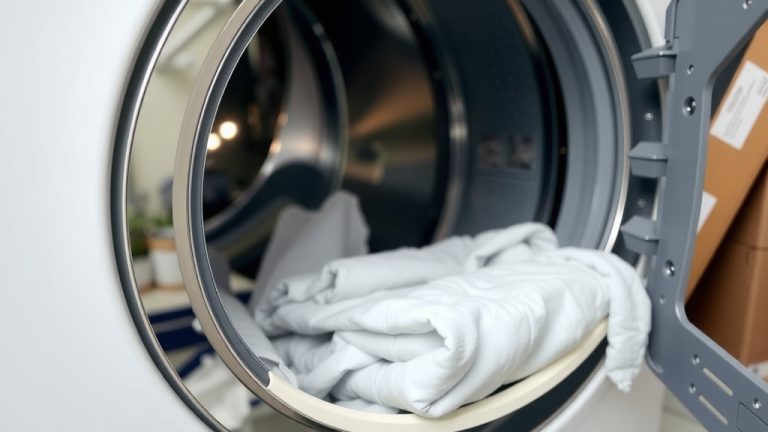
One undeniable advantage of top load washers is their ease of use. You don’t have to bend over to load or unload them. This is a big help for anyone with back issues or mobility challenges. Many people find it simply more convenient to toss clothes in from the top. Being able to easily add a forgotten sock or shirt mid-wash is also a feature many users appreciate. It’s that small convenience that can make a difference in your daily routine.
Water and Energy Efficiency Comparisons
When we look at efficiency, front loaders generally take the lead. They use significantly less water than most top load models. This is because the drum in a front loader only needs to be partially filled with water to tumble clothes effectively. Top loaders, especially those with agitators, often need to fill the entire tub. Less water means less energy is needed to heat that water, leading to lower utility bills. This can add up over time. Many guidelines from energy organizations support front loaders as the more eco-friendly option (Energy Star).
| Feature | Front Load Washer | Top Load Washer (Impeller) | Top Load Washer (Agitator) |
|---|---|---|---|
| Cleaning Performance | Excellent, deep cleaning | Good to Very Good | Good, can be rough |
| Fabric Gentleness | Very Gentle | Gentle to Moderate | Can be Rough |
| Water Usage | Low | Moderate | High |
| Energy Usage | Low | Moderate | Moderate to High |
| Cycle Time | Longer | Moderate | Faster |
| Upfront Cost | Higher | Moderate | Lower |
What Experts and Research Say
Numerous consumer reports and studies have weighed in on this debate. Many consistently find that front load washers provide a superior clean. They also tend to be more efficient with water and energy. For example, Consumer Reports tests have frequently highlighted the enhanced cleaning capabilities of front-loaders. They note the tumbling action’s effectiveness in removing various types of stains. The U.S. Department of Energy also points to front-loaders as being more energy-efficient. This often translates to cost savings over the life of the appliance.
The Scientific Basis for Better Cleaning
The science behind the tumbling action involves increased mechanical action. This means the clothes are being moved around more vigorously and in a more controlled way. It allows for better saturation with detergent and water. The result is that dirt and soil particles are lifted more effectively from the fabric fibers. Think of it like a more efficient way to scrub without actually scrubbing. It’s this constant, gentle motion that makes the difference.
Efficiency and Environmental Impact
The reduced water usage in front loaders has a significant environmental benefit. Using less water means less demand on local water supplies. It also means less wastewater to treat. Furthermore, less energy is consumed for heating water, which reduces your carbon footprint. Many environmental agencies encourage the use of high-efficiency appliances like front-load washers for this reason. It’s a responsible choice for both your wallet and the planet.
Making Your Final Decision
So, which one truly cleans better? Based on testing and expert reviews, front load washers generally offer a more effective and gentler clean. They excel at stain removal and are kinder to your clothes, helping them last longer. They are also typically more efficient, saving you money on water and energy bills over time.
However, top loaders still have their place. If speed, a lower purchase price, and ease of loading are your top priorities, a top loader might still be the right choice for you. Modern impeller models offer a good balance of cleaning and fabric care.
Key Takeaways for Your Choice
To help you decide, consider these points:
- Prioritize cleaning power? Front loaders usually win.
- Concerned about fabric wear? Front loaders are gentler.
- Need faster cycles? Top loaders often have the edge.
- On a tight budget? Top loaders are typically cheaper upfront.
- Worried about energy bills? Front loaders are more efficient.
- Physical limitations? Top loaders are easier to load and unload.
Conclusion
After looking at how different washers work, it’s clear that front load washers generally offer a superior clean. Their tumbling action is tough on dirt but gentle on your clothes, leading to better stain removal and longer garment life. You’ll also find them more efficient with water and energy, saving you money on utility bills. While top loaders offer speed and a lower upfront cost, if your priority is the best possible clean and fabric care, a front loader is likely your best bet. Take a moment to consider your laundry habits and budget to make the choice that’s right for your home.
Frequently Asked Questions
Do front load washers actually get clothes cleaner than top loaders?
Yes, research and numerous tests indicate that front load washers typically provide a deeper, more thorough clean. Their tumbling action lifts dirt more effectively and is gentler on fabrics, reducing wear and tear.
Are front load washers more energy-efficient?
Generally, yes. Front loaders use significantly less water because the drum only needs partial filling. This reduced water usage also means less energy is needed to heat water, leading to lower utility bills.
Can I add clothes to a front load washer mid-cycle?
Most modern front load washers do not allow you to add clothes once a cycle has started. This is for safety and efficiency reasons, as the door is typically locked during operation.
Which type of washer is better for large families with lots of laundry?
For large families, a front load washer might be ideal due to its superior cleaning performance and gentleness on clothes. You’ll get tougher stains out and your clothes will last longer, which can save you money in the long run.
Are impeller top load washers as good at cleaning as front load washers?
Impeller top load washers are a modern improvement and offer better cleaning and fabric care than older agitator models. However, most studies still show that the tumbling action of front loaders provides a deeper clean.