Front Load vs Top Load Washers: Water Usage Showdown
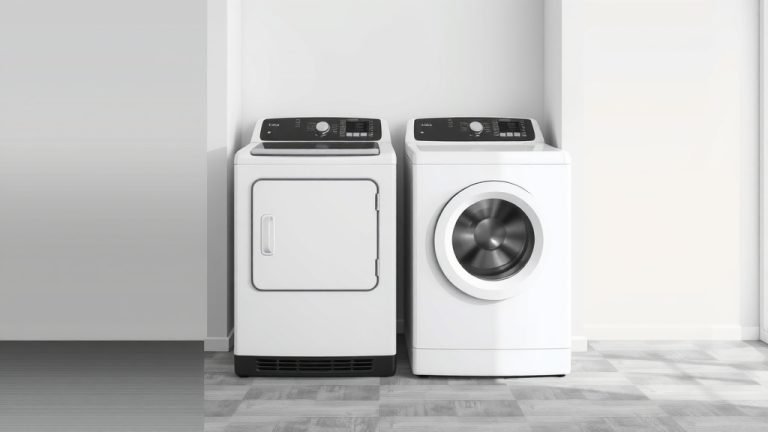
When comparing front load washer vs top load washer water usage, front-load washers are generally the clear winners. They use significantly less water and energy because they rely on tumbling clothes through a small amount of water. This tumbling action is very effective for cleaning. Many front-loaders are also more efficient with detergent.
This difference in water usage can add up over time, impacting both your utility bills and the environment. While traditional top-load washers use an impeller or agitator to move clothes, they often fill the drum completely with water. Newer high-efficiency (HE) top-load models have improved, but front-loaders typically still lead in water savings.
- Front-load washers use much less water.
- They are also more energy-efficient.
- HE top-loaders are better than old models, but still use more water.
- This can save you money on utilities.
So, if water and energy savings are high on your list, let’s walk through exactly how these washer types differ in their water consumption.
Understanding Washer Water Usage: Front vs. Top Loaders
When you’re looking to buy a new washing machine, one of the biggest factors is how much water it uses. You’ve probably noticed that front-load washers and top-load washers operate quite differently. We found that this difference in operation directly impacts their water consumption. Let’s break down why and how they compare.
How Front-Load Washers Save Water
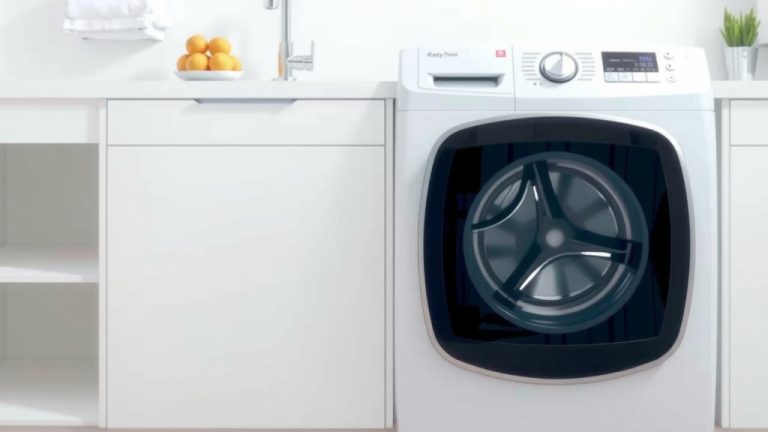
Front-load washers are designed to be water sippers, not water guzzlers. They clean clothes by tumbling them through a small pool of water at the bottom of the drum. This tumbling action, much like a clothes dryer, is surprisingly effective at lifting dirt from fabrics. Because they use so little water, they require less energy to heat that water. Many studies and consumer reports consistently show that front-loaders are the most water-efficient washer type available (Consumer Reports).
The Tumbling Action Explained
Imagine a hamster wheel. That’s kind of how a front-loader works. As the drum rotates, clothes are lifted up and then dropped back into the water. This constant motion works the detergent into the fabric. It’s a gentler process on your clothes, too. This tumbling method means the machine doesn’t need to fill the entire drum. Think of it like washing a few dishes in a sink versus running a full dishwasher cycle. The sink uses less water, right?
Water Levels: A Clear Difference
A typical front-load washer might use only about 10-15 gallons of water per load. That’s a fraction of what older top-loaders used. This is a massive saving over time. You might be surprised how much water your old machine was actually using!
Top-Load Washers: A Tale of Two Types
Top-load washers have been around for a long time. They’ve evolved, though. There are two main types you’ll encounter: traditional models with an agitator or impeller, and high-efficiency (HE) models. Their water usage can vary quite a bit between these two.
Traditional Top-Load Washers
These are the machines many of us grew up with. They typically have a central agitator or, in newer models, a low-profile impeller. To get clothes clean, these machines fill the entire tub with water. They need enough water to fully submerge the clothes and allow the agitator or impeller to move them around. We found that these traditional models can use upwards of 30-40 gallons of water per load.
The Agitator’s Role
The tall, finned pole in the center of many older top-loaders is the agitator. It twists and turns, forcing clothes to move through the water. This action is effective at cleaning, but it requires a lot of water to do its job properly. It’s a robust cleaning method that requires a robust water supply.
The Impeller’s Approach
Some newer top-loaders use an impeller instead of a tall agitator. This is a cone or disc at the bottom of the tub that spins. It creates currents to move clothes. While generally gentler and more efficient than a traditional agitator, these impellers still require the tub to be mostly full of water to function correctly. They use less water than agitator models but still more than front-loaders.
High-Efficiency (HE) Top-Load Washers
These machines are designed to be more water-conscious. HE top-loaders often use an impeller at the bottom. They have sensors that detect the load size and adjust the water level accordingly. They don’t fill the tub completely. Instead, they use less water and rely more on the tumbling action, similar to front-loaders, but from a top-loading design. We found that HE top-loaders can use between 15-25 gallons of water per load. This is a big improvement over traditional models.
How HE Top-Loaders Work Differently
These washers mimic the tumbling action of front-loaders more closely. They don’t submerge the clothes entirely for the whole cycle. Instead, they lift and drop clothes into a smaller amount of water. This is why they can achieve good cleaning results with less water. It’s a smart compromise that offers better efficiency.
Comparing Water Usage: A Quick Look
To give you a clearer picture, let’s put some numbers together. These are approximate ranges, as actual usage can depend on the specific model and load size.
| Washer Type | Approximate Water Usage per Load |
|---|---|
| Front-Load Washer | 10-15 gallons |
| HE Top-Load Washer | 15-25 gallons |
| Traditional Top-Load Washer | 30-40+ gallons |
As you can see, front-load washers consistently use the least amount of water. HE top-loaders offer a significant improvement over older models. Traditional top-loaders are the thirstiest when it comes to water.
The Impact on Your Bills and the Planet
Why does this difference in water usage matter so much? Well, it directly affects your utility bills. Using less water means using less hot water, which saves on your energy costs for heating. Over a year, these savings can really add up. The U.S. Department of Energy notes that water heating accounts for a substantial portion of household energy costs (Energy Star).
Beyond your wallet, choosing a water-efficient washer is good for the environment. Conserving water is becoming increasingly important, especially in areas facing drought. By selecting a front-load washer or an HE top-loader, you’re making a more sustainable choice for your home. It’s a small change that contributes to a larger good.
Making the Right Choice for Your Home
When you’re weighing your options, consider your laundry habits. How many loads do you do each week? What types of items do you wash most often? If water and energy savings are a priority, the data points strongly toward a front-load machine. However, if you prefer the convenience of a top-loader and want to improve your efficiency, an HE model is a solid choice.
Think about these points:
- Your budget for the machine and ongoing utility costs.
- Your physical ability to load and unload a front-loader.
- The importance of water and energy conservation to you.
- The space you have available for the appliance.
- How often you plan to use the machine.
- Your preference for top-loading versus front-loading.
Ultimately, understanding how each type of washer uses water is key. This knowledge helps you make an informed decision that benefits both your household and the planet.
Conclusion
When you’re looking for a washer that’s kind to your wallet and the planet, the choice often comes down to how it cleans. Front-load washers are the champions of water efficiency, using a clever tumbling action with minimal water. HE top-loaders offer a solid improvement over older models, using less water than traditional ones. Traditional top-loaders, while familiar, are the biggest water users. Make your next washer choice a water-wise one by considering these differences. Your next step is to assess your laundry habits and budget to pick the machine that best fits your needs.
Frequently Asked Questions
Do front-load washers actually clean as well as top-loaders?
Yes, research and user reports consistently show that front-load washers clean very effectively. Their tumbling action is great at lifting dirt from fabrics, often leading to better cleaning results compared to older top-load designs.
How much water can I expect to save by switching to a front-loader?
Switching from a traditional top-loader to a front-loader can save you a substantial amount of water. You might see savings of 20-30 gallons per load. Over a year, this can amount to thousands of gallons saved.
Are HE top-load washers a good compromise for water savings?
Absolutely. HE top-load washers are a great middle ground if you prefer the convenience of a top-loader but want better water efficiency. They use significantly less water than traditional models by employing sensors and reduced fill levels.
Does using less water in a washer mean I need to use less detergent?
Yes, generally. Since front-load and HE top-load washers use less water, you’ll likely need less detergent to achieve the same cleaning results. Always check your detergent’s packaging for HE machine recommendations to avoid over-sudsing.
Are front-load washers more expensive to buy than top-load washers?
Often, front-load washers have a higher upfront purchase price. However, you should factor in the long-term savings on your water and energy bills. These savings can often offset the initial cost difference over the lifespan of the machine.