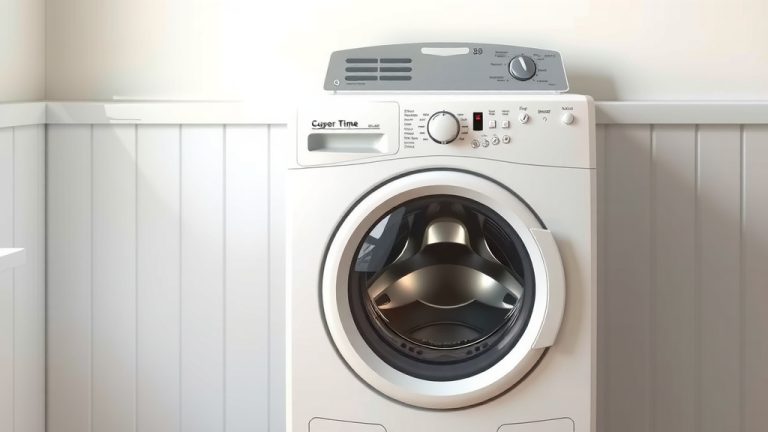
How to Use Your Giantex Portable Washing Machine
Using your Giantex portable washing machine is a simple process. You’ll want to load your clothes, add detergent, select a wash cycle, and then transfer them to the spin-dryer if your model has one. It’s designed to make laundry day much easier.
These compact machines are perfect for small spaces. They offer a convenient way to wash clothes without a full-sized setup. Many users find them ideal for RVs, apartments, or even for handling small, delicate loads. You can achieve clean clothes with minimal effort.
TL;DR:
- Load clothes gently.
- Add your preferred detergent.
- Choose the right wash setting.
- Use the spin-dryer for less wetness.
- Clean your machine regularly.
Let’s walk through exactly how to use your Giantex portable washing machine step by step, so you can get those clothes sparkling clean in no time!
Getting Started with Your Giantex Portable Washer
So, you’ve got your new Giantex portable washing machine, and you’re ready to conquer laundry day without the laundromat! It’s actually much simpler than you might think. We’ll guide you through each step, making sure your clothes come out fresh and clean with hardly any fuss. Let’s dive in!
Understanding Your Giantex Machine
Most Giantex portable washers come with two main compartments: one for washing and one for spinning to remove excess water. Some models might have a combined unit, but the core functions remain the same. You’ll typically find a control panel with different settings for wash time and water level. Think of it as your mini laundry assistant, ready to help.
Prepping Your Laundry Area
Before you start, make sure you have a suitable spot. You’ll need access to a water source (usually a faucet with an adapter) and a drain for the wastewater. A sturdy, level surface is important to prevent wobbling during operation. Many users find placing it near a sink or in a shower stall works perfectly. You’ll also want to have your laundry detergent and any other additives ready to go.
Step-by-Step Washing Guide
Now for the actual washing part! It’s a straightforward process designed for ease of use. Just follow these steps, and you’ll be a pro in no time.
Step 1: Loading Your Clothes
Open the washing lid and gently place your clothes inside the wash tub. It’s important not to overload the machine. Overfilling can lead to clothes not getting properly clean and can strain the motor. Think of it like giving your clothes enough room to “dance” in the water.
We recommend washing similar colors together and separating delicate items. Also, check your clothing labels for any specific washing instructions. For most standard loads, you’ll want to fill the tub about halfway to two-thirds full. This ensures proper water circulation.
Step 2: Adding Water and Detergent
Now it’s time to add water. You’ll usually connect a hose to your faucet and the other end to the machine’s water inlet. Most Giantex models have a designated inlet for hot and cold water, allowing you to choose your preferred temperature. Fill the tub to the desired water level mark on the inside, according to how many clothes you have.
Next, add your detergent. It’s best to use a high-efficiency (HE) detergent, especially if you’re using a smaller machine. Add the detergent directly into the water before adding all your clothes, or after you’ve added them but before starting the cycle. This helps it dissolve properly. A good rule of thumb is to use about 1-2 tablespoons of liquid HE detergent for a small load. For powder detergent, follow the package instructions. Too much detergent can leave residue on your clothes.
Step 3: Selecting Your Wash Cycle
Your Giantex machine will have a control dial or buttons for selecting the wash cycle. Most common settings include “Normal,” “Gentle,” or “Soak.” For everyday clothes like t-shirts and jeans, the “Normal” cycle is usually perfect. If you’re washing delicate items like lingerie or thin blouses, opt for the “Gentle” setting. This uses less agitation to protect the fabric.
You’ll also select the wash time. This can range from a few minutes for a quick rinse to 15 minutes or more for dirtier loads. We found that for moderately soiled clothes, a 10-12 minute wash cycle often does the trick. Always refer to your machine’s manual for specific cycle recommendations.
Step 4: Running the Wash Cycle
Once everything is set, close the lid and press the start button. The machine will begin agitating the clothes, tumbling them in the soapy water. You can watch through the clear lid if you like! It’s fascinating to see how these compact machines work their magic. The cycle will run for the time you’ve selected. When it’s finished, the machine will typically stop on its own.
Using the Spin-Dryer Function
After washing, your clothes will be wet, but not dripping thanks to the spin-dryer. This is where the second compartment comes into play.
Step 1: Transferring Clothes
Carefully remove the washed clothes from the wash tub. It’s a good idea to have a laundry basket ready. Place the damp clothes into the spin-dryer basket. Again, avoid overfilling this compartment. You want the clothes to be distributed relatively evenly around the basket for best results.
Step 2: Selecting Spin Time
Close the spin-dryer lid. You’ll typically have a separate timer for the spin cycle. This usually ranges from 1 to 5 minutes. The spin cycle works by rapidly rotating the basket, which uses centrifugal force to push water out of your clothes. This dramatically reduces drying time.
We found that a 3-minute spin is often sufficient for most items. For thicker items like towels or jeans, you might want to extend it to 5 minutes. Remember, the goal isn’t to dry them completely, but to get them significantly less damp.
Step 3: Removing Dried Clothes
Once the spin cycle is complete, open the lid. Your clothes will be much lighter and just damp, ready to be hung up to air dry or placed in a dryer if you have one. Be careful when removing them, as the basket might still have a little residual moisture. Hang them on a drying rack or clothesline, and they’ll be dry in no time, especially since they’ve already had a good spin!
Essential Maintenance Tips
To keep your Giantex portable washer running smoothly for a long time, a little regular maintenance goes a long way. Think of it like giving your car an oil change.
Cleaning After Each Use
After you’ve finished your laundry, it’s a great idea to wipe down the inside of both the wash tub and the spin basket with a clean, dry cloth. This removes any lint or residual soap. Also, leave the lids open for a bit to allow the interior to air out and prevent mildew buildup. It only takes a minute, but it makes a big difference!
Deep Cleaning Periodically
Every month or so, it’s wise to give your machine a deeper clean. You can run an empty cycle with warm water and a cup of white vinegar or a specialized washing machine cleaner. This helps to remove any soap scum or mineral deposits that might have accumulated. Many cleaning guides suggest doing this periodically to keep odors at bay and ensure optimal performance.
Here’s a quick checklist to keep your Giantex running perfectly:
- Wipe down tubs after each use.
- Leave lids open to air dry.
- Check hoses for leaks regularly.
- Perform a monthly vinegar rinse cycle.
- Ensure the machine is level during operation.
Conclusion
You’ve now learned how to use your Giantex portable washing machine from start to finish. We covered loading your clothes, adding water and detergent, selecting the right cycle, and using the spin-dryer. Remember, proper use and a little bit of regular cleaning will keep your machine working effectively for a long time. Enjoy the convenience of fresh, clean laundry right at your fingertips!
Your next step? Gather your laundry, give these steps a try, and experience how simple laundry day can be with your new Giantex helper.
Frequently Asked Questions
What kind of detergent should I use?
We researched and found that using a high-efficiency (HE) liquid detergent is best for most Giantex portable washers. These machines use less water, so HE detergents create fewer suds. About 1-2 tablespoons for a small load is usually sufficient.
Can I wash a king-size comforter?
Generally, portable washing machines like Giantex are designed for smaller loads. It’s best to avoid washing very bulky items like a king-size comforter. Overloading can prevent items from getting clean and may damage your machine.
How do I connect the water hose?
Most Giantex models come with an adapter that connects to your faucet. Attach one end of the hose to the adapter on your faucet and the other end to the water inlet on your washing machine. Ensure it’s securely fastened to prevent leaks.
Why is my machine shaking during the spin cycle?
A common reason for shaking is an unbalanced load. Try redistributing the clothes more evenly in the spin basket. Also, ensure your portable washer is placed on a sturdy, level surface. An uneven floor can cause excessive vibration.
How often should I clean my Giantex washer?
We recommend wiping down the wash tub and spin basket after each use to remove lint and residue. A deeper clean, like running an empty cycle with vinegar, is a good idea about once a month to keep it fresh and prevent buildup.