Best Washing Machine Type for Your Home: Full Guide
For most households, a front-load washing machine is the best choice because it cleans clothes better, uses less water, and is gentler on your fabrics. That said, the truly best type for you depends on your budget, your living space, and how often you do laundry.
You have three main options to consider: top-loaders with a center agitator, high-efficiency top-loaders without one, and front-loaders. We found that each type has its own strengths and weaknesses, and we know picking one can feel overwhelming. The good news is that by focusing on a few simple factors, you can find a machine that fits your life perfectly.
TL;DR (The short version):
- Front-loaders are the overall winners for cleaning power and efficiency.
- Top-loaders with an agitator are the most budget-friendly and easiest to load, but they use the most water.
- High-efficiency (HE) top-loaders are a great middle ground if you hate bending over but still want lower water usage.
- Your budget matters most: top-loaders are cheaper to buy, but front-loaders often save you money on utility bills over time.
- Consider your space: front-loaders are stackable, while top-loaders don’t need a lot of floor space in front of them.
Below, we break down everything you need to know about each type so you can pick the right one with confidence. Let’s walk through the pros, cons, and real-world costs to make this decision easy for you.
Finding the Right Washing Machine Type for Your Home
You already know the short answer: front-loaders usually win. But the perfect machine for you depends on your laundry habits. Let’s break down each type so you can see which one fits your routine, your space, and your wallet.
Front-Load Washing Machines: The Efficiency Champions
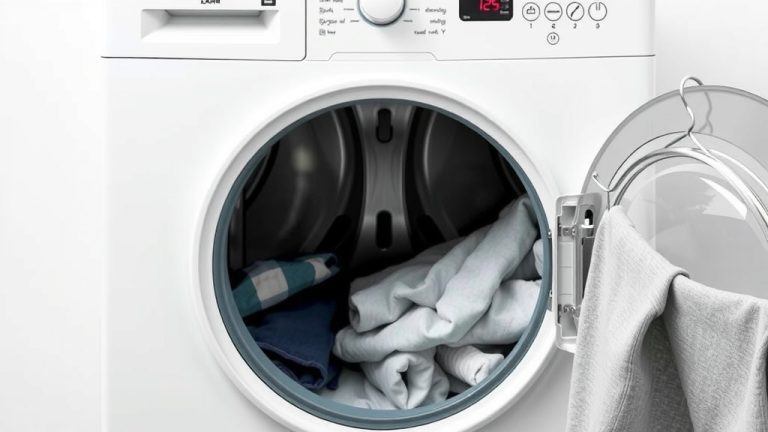
Front-loaders are the darlings of the laundry world for good reason. We found that they deliver a deeper clean while using significantly less water than traditional top-loaders. The tumbling action lifts dirt out of fabrics without the harsh beating of an agitator.
Why Front-Loaders Clean Better
The horizontal drum rotates and drops clothes through a small amount of water. This repeated motion pushes water and detergent through every fiber. Many experts say this method is gentler on your clothes, too. Your favorite jeans and delicates will thank you.
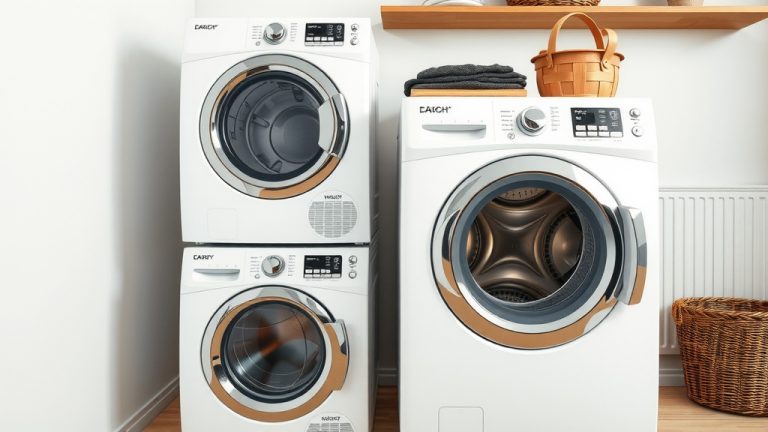
You can also stack a dryer on top of a front-loader. That is a huge space saver for apartments or small laundry closets. If you are short on floor space, this alone could be your deciding factor.
The Downsides to Consider
Front-loaders come with a higher upfront price tag. They also require you to bend down to load and unload, which can be tough on your back. We found that some models are prone to mold on the door gasket if you leave the door shut after a cycle.
To avoid smells, you will need to keep the door slightly open between loads. It is a small habit, but an important one. Also, cycle times tend to run longer than top-loaders, sometimes over an hour.
Top-Loaders With a Center Agitator: The Budget-Friendly Workhorse
These are the classic washers you grew up with. They have a tall post in the middle that twists back and forth to scrub your clothes. They are simple, reliable, and easy to use. You can open the lid mid-cycle to toss in that forgotten sock.
Why You Might Love an Agitator Washer
These machines are the cheapest to buy upfront. We found that basic models are often half the price of a front-loader. They also fill with water, so you can soak heavily soiled items like work uniforms or muddy sports gear.
Standing upright to load and unload is a blessing for anyone with back pain. And because the mechanics are simple, repairs are often easier and less expensive. There is no door gasket to clean and no risk of mold.
The Drawbacks That Might Push You Away
Here is the big one: water usage. Agitator washers use two to three times more water than front-loaders. That hits your water bill every single week. The agitator is also rough on fabrics, causing more wear and tear over time.
These washers are also harder on your clothes. The twisting motion can stretch and tangle your laundry. Plus, they do not handle bulky items like comforters very well.
High-Efficiency (HE) Top-Loaders: The Middle Ground
These are the newer top-loaders without the center post. Instead, they use a low-profile impeller plate at the bottom to create friction. They give you the upright loading convenience of a traditional washer with better efficiency.
The Comfort and Savings Combo
You get the best of both worlds here. No bending down, and you use much less water than an agitator machine. We found that HE top-loaders are a popular choice for families who want efficiency without the back strain.
They also tend to be gentler on fabrics than agitator models. The wash action rubs clothes against each other, not against a post. Bulky bedding fits better in these larger drums, too.
Where They Fall Short
They still use more water than front-loaders. And because they rely on clothes rubbing together, heavily soiled items might not get as clean. You may need to pre-treat stains more often.
Cycle times are also longer than traditional top-loaders. If you are in a rush, that can be frustrating. And while better than agitators, they still do not match the water savings of a front-loader.
Cost Breakdown: What Will You Actually Spend?
We found that your budget will shape your choice more than any other factor. The purchase price is just the beginning. You also need to think about lifetime operating costs.
Here is a quick comparison to help you see the big picture:
| Feature | Agitator Top-Loader | HE Top-Loader | Front-Loader |
|---|---|---|---|
| Purchase Price | Lowest | Mid-Range | Highest |
| Water Usage | High | Moderate | Low |
| Energy Cost | Higher | Moderate | Lowest |
| Fabric Wear | High | Low | Lowest |
| Loading Comfort | Easy (stand up) | Easy (stand up) | Requires bending |
The lower utility bills of a front-loader can offset the higher purchase price over time. Energy Star data shows that front-loaders can save a typical family hundreds of gallons of water per year. If you plan to keep your washer for 10 years, the savings really add up. For a detailed new washing machine cost breakdown, see our guide on what to expect in 2026.
Your Space and Setup Matter More Than You Think
Before you fall in love with a specific model, measure your laundry area. Front-loaders need clearance for the door to swing open fully. You will also want space to stand or kneel in front of the drum.
Top-loaders need vertical clearance for the lid to open. If you are installing under a shelf or cabinet, that can be a dealbreaker. Check the height of the machine with the lid fully open.
Ventilation and Moisture Concerns
Front-loaders generate more moisture and humidity in the room. If your laundry area is poorly ventilated, this could cause mildew issues. You will need to leave the door open after cycles to dry out the gasket.
Top-loaders naturally air out better because the lid is open during and after the cycle. If mold is a big concern for you, that is a point in their favor.
Smart Features and Long-Term Reliability
Modern machines come with a lot of bells and whistles. Steam cycles, Wi-Fi controls, and automatic detergent dispensers sound great. But we found that these extras often raise the price without adding much value.
Stick to the basics if you are on a budget. A simple machine with fewer electronics is often easier to repair and lasts longer. The more complex the control board, the more expensive the fix when it fails.
Warranty and Repair Considerations
Front-loaders have more moving parts and electronic components. That means a slightly higher chance of something breaking. Top-loaders with agitators are the most mechanically simple and rarely need service.
Check the warranty before you buy. Many brands offer a 10-year warranty on the motor, which is the most expensive part to replace. That extra peace of mind can be worth a few extra dollars.
Quick Checklist Before You Buy
Use this simple list to narrow down your options when you hit the store or shop online:
- Check your floor space and measure the opening height for top-loaders.
- Decide if you need to stack a dryer on top to save room.
- Think about your back and whether bending down is a problem.
- Set a realistic budget that includes future water and energy bills.
- Consider your laundry volume and how many loads you run weekly.
- Look for a stainless steel drum to resist rust and chipping.
Take your time with this decision. A washing machine is a long-term investment. Matching the type to your home and habits will save you money and frustration for years to come.
Conclusion
You now have the full picture. Front-loaders win on cleaning power and water savings. Top-loaders with agitators win on price and simplicity. HE top-loaders give you a comfortable middle ground.
Think about your back, your floor space, and your monthly utility bills. If you can handle bending down and want the best clean, go with a front-loader. If you want the cheapest, most reliable option, pick an agitator model.
Measure your space first. Then set your budget. When you know those two numbers, the right choice becomes clear. Take the checklist from this article with you to the store. You will find the perfect washer for your home.
Frequently Asked Questions
How long should a washing machine last?
You can expect a quality washer to last about 10 to 13 years. Front-loaders often last longer than top-loaders because they have fewer mechanical parts that wear out. Regular maintenance, like cleaning the gasket, helps extend the life of your machine.
Are front-loaders worth the extra money?
Yes, for most families they are. We found that front-loaders save hundreds of gallons of water each year. That adds up to serious savings on your water and energy bills over a decade.
Can I put a washer on the second floor of my house?
You can, but you need to check a few things first. The floor needs to support the weight of a fully loaded machine, which can be over 300 pounds. Place the washer against a load-bearing wall and use a rubber pad to reduce vibration and noise.
What is the best washing machine brand to buy?
Reliable brands we recommend are Speed Queen, LG, and Maytag. Speed Queen is famous for its commercial-grade durability. LG front-loaders are popular for their cleaning performance and warranty coverage.
Should I buy an extended warranty for my washing machine?
Only if it covers the motor and electronic control board. Those are the two most expensive parts to replace. If the warranty is less than 10 years on the motor, it might not be worth the extra cost.