Stack Your Washer and Dryer: A Step-by-Step Guide
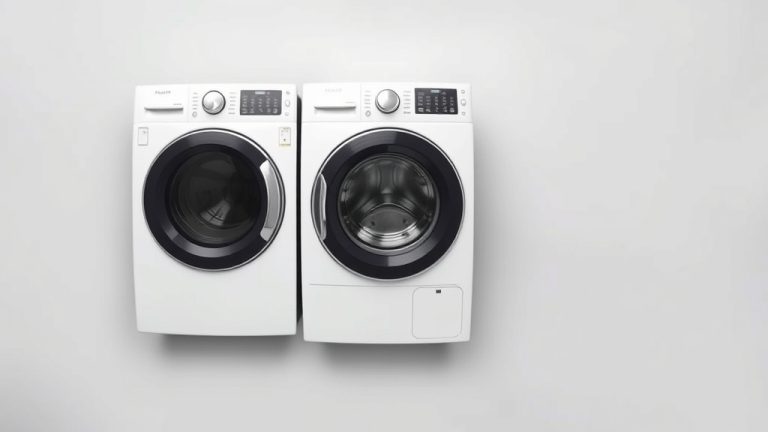
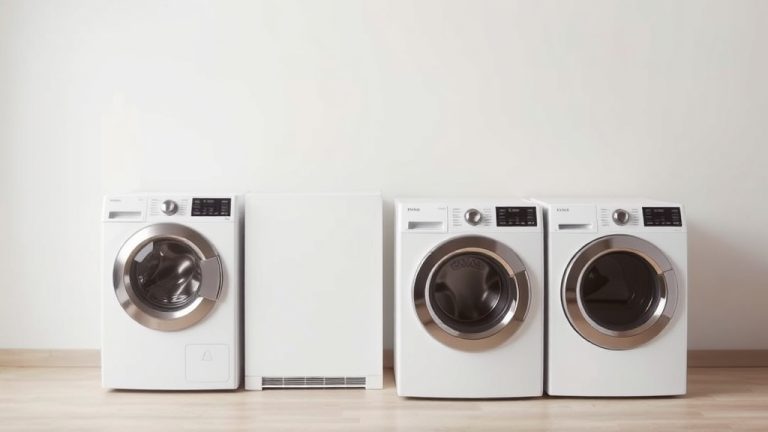
Yes, you can absolutely stack your washer and dryer if you have the right setup. Many front-loading machines are designed for this. You’ll typically need a stacking kit and a dryer that’s compatible with it. It’s a fantastic way to save space in your laundry room!
Stacking your laundry appliances is a smart move for smaller homes or apartments. It frees up floor space, making your laundry area feel larger and more functional. We found that properly securing the units is key for safety, preventing them from tipping over.
- Use a compatible stacking kit.
- Ensure your dryer is designed for stacking.
- Always secure units to prevent tipping.
- Check manufacturer guidelines for your specific models.
Let’s walk through exactly how you can stack your washer and dryer to make the most of your laundry space.
Stacking Your Washer and Dryer: A Smart Space-Saving Solution
Thinking about stacking your washer and dryer? It’s a clever way to reclaim floor space. This setup is perfect for smaller homes or apartments. You gain room for storage or just a less cluttered laundry area. We’ve found many homeowners love the convenience and tidiness it brings. Let’s get into how you can make this happen.
Understanding Washer and Dryer Compatibility for Stacking
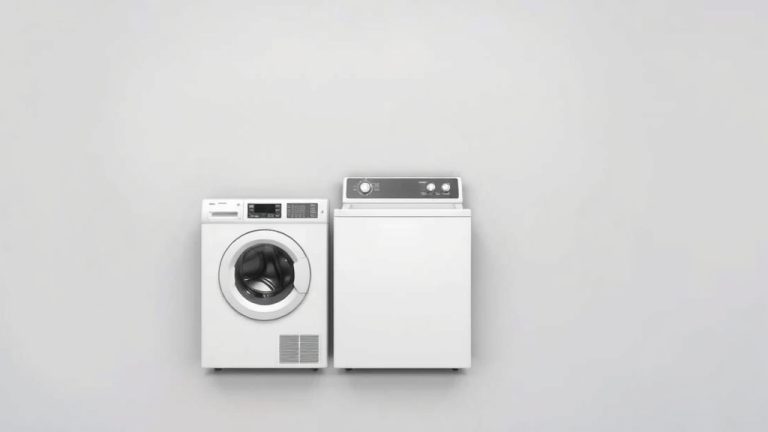
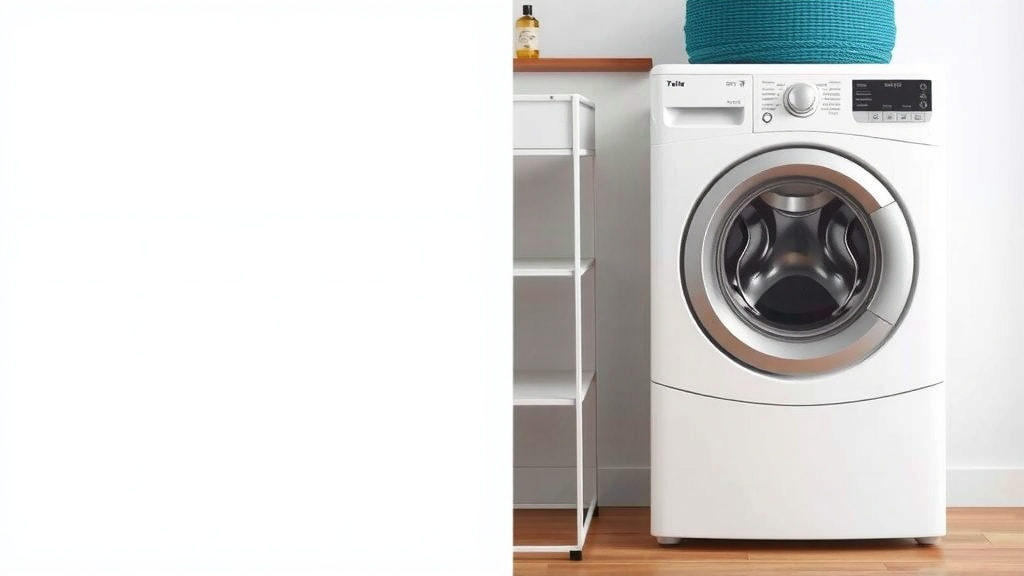
Not all laundry machines are meant to be stacked. This is the first thing you absolutely need to check. Most front-loading washers and dryers are designed with stacking in mind. Top-loading machines, on the other hand, typically cannot be stacked. Their design simply doesn’t allow for it safely.
Which Appliances Can Be Stacked?
You’ll want to look for appliances specifically labeled as “stackable.” This usually means they have a flat top surface. Washers and dryers also need to be of similar dimensions. If your dryer is much wider or deeper than your washer, stacking might not be possible or secure. We found that compact or apartment-sized units are often stackable.
Front-Loaders vs. Top-Loaders for Stacking
Front-loading washers are generally the best choice for stacking. They have a more robust build and a door that opens on the front. Dryers also come in front-loading models that are compatible. Top-loading washers are built differently. Their lids open from the top, making them impossible to stack on.
Essential Tools and Components for Stacking
To stack your machines safely, you’ll need a few key items. The most important is a stacking kit. This kit typically includes straps and brackets to secure the units together. It’s designed to prevent the top unit from shifting or falling.
The Importance of a Stacking Kit
Think of a stacking kit as the safety harness for your dryer. Without it, the dryer could easily slide off the washer. We found that manufacturers often recommend their own specific kits. Using a kit designed for your appliance brand can ensure the best fit and maximum security. These kits are relatively inexpensive. They are a small price to pay for safety and peace of mind.
Considering a Universal vs. Brand-Specific Kit
You have options when choosing a kit. Some are universal, meaning they can work with most brands. Others are designed for specific brands or models. While a universal kit might seem convenient, a brand-specific kit often provides a more precise and secure connection. We recommend checking your washer and dryer manuals first.
Step-by-Step Guide to Stacking Your Laundry Appliances
Once you have your stackable machines and the correct kit, you’re ready to start. The process is straightforward, but it requires careful attention. It’s often easier with two people, especially when lifting the dryer.
Preparing Your Laundry Area
First, ensure you have enough vertical space. Measure from the floor to any cabinets or shelves above. You’ll need adequate clearance for the stacked units. Also, make sure your water, drain, and electrical hookups are accessible. You might need to adjust hoses or cords. Having a level floor is also very important for stability.
Installing the Stacking Kit
Follow the instructions included with your stacking kit. Typically, you’ll attach brackets to the back of the washer. Then, you’ll secure the dryer to these brackets. Some kits might involve straps that go around both machines. Make sure all connections are tight and secure.
Positioning the Washer
Place your washer in its final position. Ensure it’s level and stable. Connect the water supply and drain hoses. Plug in the power cord. Double-check that there are no kinks in the hoses. A stable washer is the foundation for your stacked setup.
Lifting and Securing the Dryer
This is where a helper is really useful. Carefully lift the dryer onto the top of the washer. Align it correctly, ensuring it sits squarely. Once in place, attach it to the washer using the stacking kit components. Double-check that the dryer is firmly attached and won’t move. Connect the dryer vent hose to the wall or external vent.
Final Checks and Testing
Before running a load, do a final inspection. Wiggle the dryer gently to ensure it’s stable. Check that all hoses and connections are secure. Run a short test cycle on the washer, then on the dryer. Listen for any unusual noises. Watch for any signs of instability.
Safety First: Preventing Tipping and Damage
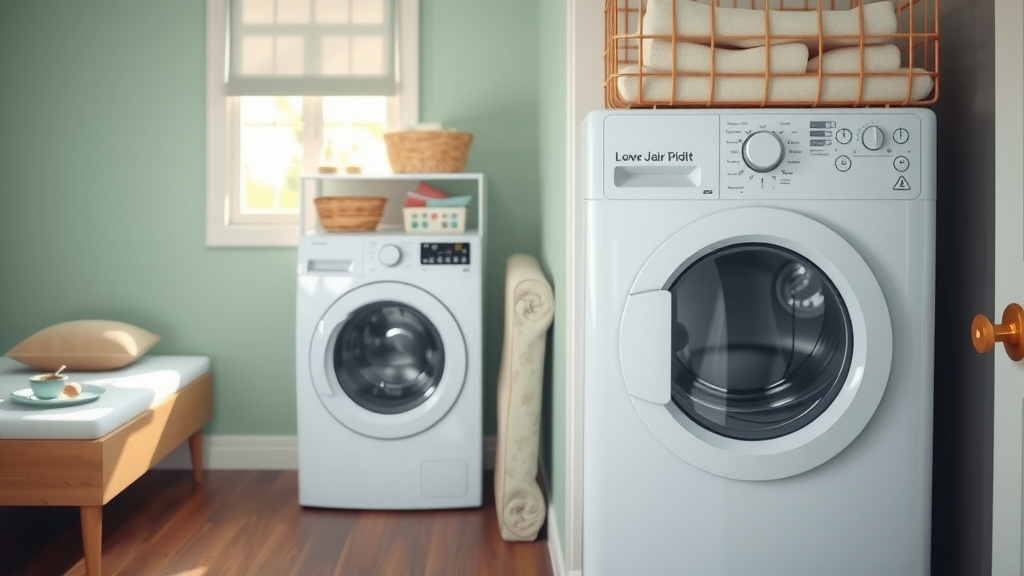
Safety is the absolute top priority when stacking. Appliances, especially the dryer, can be heavy. An unstable stack is a hazard. Researchers have noted that improper installation is a common cause of appliance accidents (Consumer Product Safety Commission).
The Dangers of Unsecured Appliances
An unsecured appliance can tip over during operation. This can cause serious damage to the machine and your home. It can also lead to personal injury. We found that vibration from the machines can cause them to shift over time. Regular checks are a good habit.
Your Stacking Safety Checklist
To ensure your stack is safe, here’s a quick rundown:
- Confirm both units are front-loaders and stackable.
- Use the correct, manufacturer-approved stacking kit.
- Ensure the washer is perfectly level and stable.
- Secure the dryer firmly to the washer using the kit.
- Check all connections and hoses are tight.
- Periodically re-check for stability after a few weeks.
Maintenance Tips for Stacked Laundry Units
Taking care of your stacked machines is just like caring for regular ones. However, you have a few extra things to consider.
Regular Cleaning and Inspections
Keep the area around and between the machines clean. Dust and lint can build up. Periodically, especially after a few months, check the stability of the stack again. Gently try to move the dryer. If you notice any looseness, tighten the connections.
Ventilation and Lint Trap Care
Proper dryer ventilation is critical for efficiency and fire safety. Make sure the vent hose isn’t kinked. Clean the lint trap after every load. For stacked units, ensure there’s enough airflow around both machines. Overheating can be a concern if ventilation is poor.
Conclusion
You’ve learned that stacking your washer and dryer is absolutely achievable with the right approach. Key steps involve ensuring your machines are front-loaders and compatible, using a secure stacking kit, and always prioritizing safety through proper installation and checks. By following these guidelines, you can successfully create a more efficient and spacious laundry area in your home. Your next step is to identify your current appliance models and research compatible stacking kits to begin your space-saving transformation.
Frequently Asked Questions
Can I stack a top-loading washer with a front-loading dryer?
No, you should never stack a top-loading washer with any dryer. Top-loaders are not designed for stacking due to their lid placement and construction. You must use two front-loading machines for a safe and stable stack.
How do I know if my washer and dryer are stackable?
Look for labels indicating “stackable” on your appliances. Generally, front-loading washers and dryers are designed to be stackable if they have similar dimensions and flat tops. Always check your user manuals for manufacturer confirmation.
What happens if I don’t use a stacking kit?
Not using a stacking kit is very dangerous. The dryer could shift or tip off the washer, causing damage to your appliances, your home, and potentially serious injury. A kit is essential for securing the units together.
Can I stack different brands of washers and dryers?
You can often stack different brands, but compatibility is key. Ensure both machines are front-loaders and have similar depths and widths. Always verify with the manufacturer’s guidelines or choose a universal stacking kit designed for mixed brands.
How often should I check the stability of my stacked units?
You should perform an initial stability check after installation and again after a few weeks of use. After that, a quick visual and gentle wiggle check every few months is a good maintenance practice. This ensures your stack remains safe and secure over time.