Apartment Washer Dryer Size Guide: What Fits Your Space
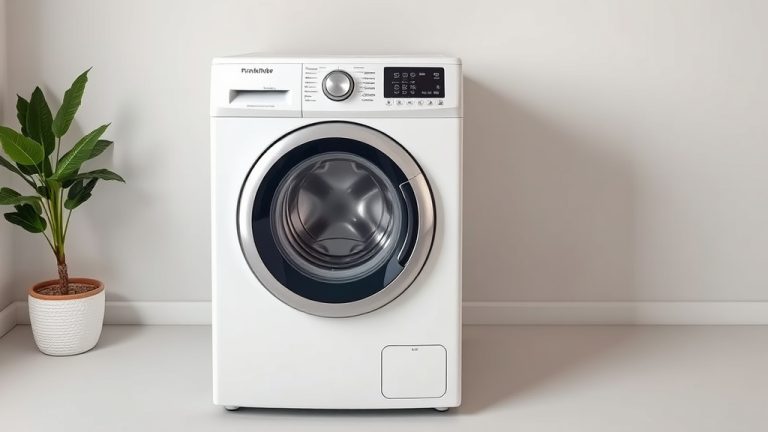
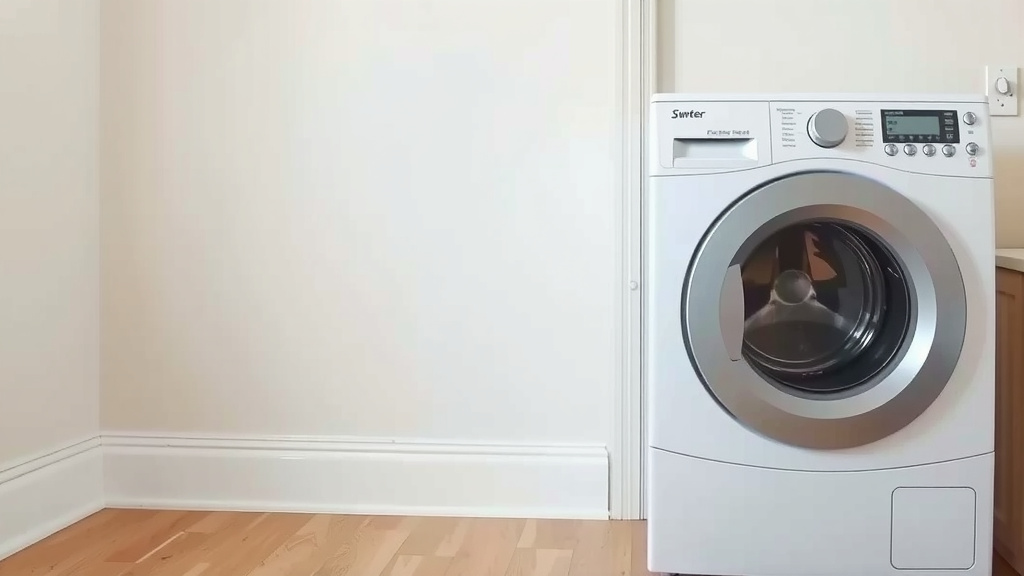
Apartment-sized washers and dryers typically measure about 24 inches wide. This is significantly smaller than standard residential units, which often reach 27 to 30 inches. These compact appliances are designed to fit into tighter spaces found in apartments or smaller homes, often called “apartment-sized” or “compact.”
When choosing an apartment washer or dryer, you’ll encounter a few different types and dimensions. Understanding these can help you pick the best fit for your laundry needs and your living space. You might see stackable units or side-by-side configurations, each with its own set of measurements to consider.
- Apartment washers and dryers are usually 24 inches wide.
- This is smaller than standard 27-30 inch units.
- Compact models are built for small spaces.
- Consider both width and height for your laundry nook.
- Stackable options can save floor space.
Let’s dive into the specific dimensions you’ll likely find and how to measure your space properly so you can get the perfect fit.
Understanding Apartment Washer and Dryer Dimensions
So, you’re looking for laundry appliances that fit your apartment or a smaller home. That’s smart! Getting the right size is key to avoiding frustration. Most apartment-sized washers and dryers are designed with a standard width of 24 inches. This is a crucial number to remember.
Why 24 inches? Well, apartment living often means less space. Manufacturers created these compact units to fit into narrower closets, smaller bathrooms, or galley kitchens where a full-sized machine simply wouldn’t go. They are built to be space-savers.
The “Compact” Difference: Width and Depth
When we talk about “apartment-sized,” we’re usually referring to machines that are around 24 inches wide. This contrasts with standard residential washers and dryers, which typically measure between 27 and 30 inches across. That 3-to-6-inch difference might not sound like much, but it can be the difference between fitting and not fitting!
But width isn’t the only dimension you need to think about. The depth of these units also plays a role. While many compact washers and dryers are around 24 to 28 inches deep, some might be shallower or deeper. It’s always best to measure the full depth, including the space needed for the door to open and for hoses to connect at the back.
Beyond Width: Considering Height and Overall Footprint
Your laundry space might be tall rather than wide. This is where the height of apartment appliances becomes important. Most compact washers stand about 33 to 36 inches tall, similar to standard models. However, dryers, especially stackable ones, can vary.
A stackable dryer unit, when placed on top of a matching washer, will have a total height that’s essentially double the height of a single unit, plus a few extra inches for the stacking kit. We’re talking upwards of 65 to 70 inches or more. Always measure the vertical space available!
Types of Apartment Laundry Solutions and Their Sizes
You’ve got a few options when it comes to apartment laundry setups. Each has its own way of fitting into your home.
Side-by-Side Configurations
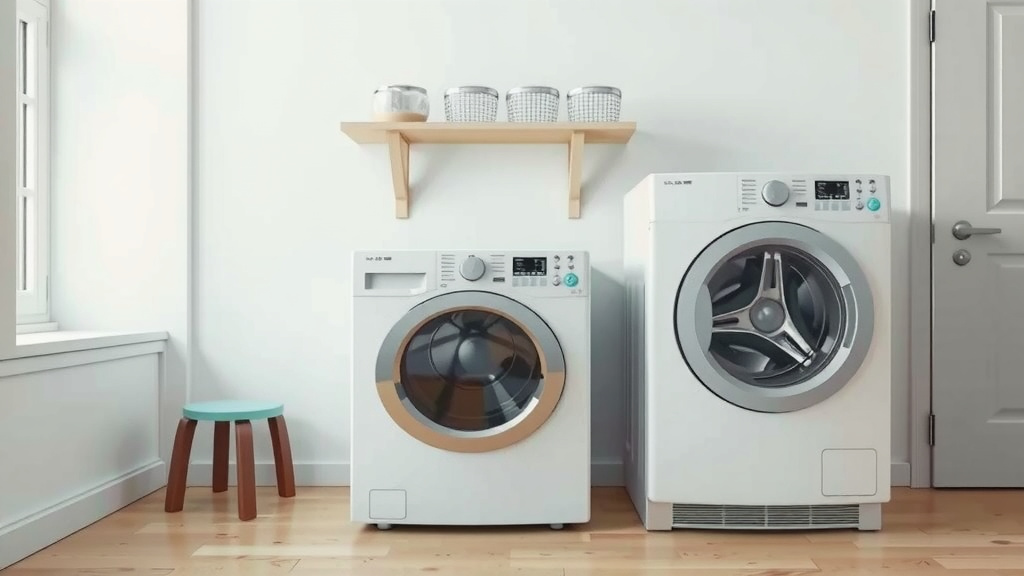
This is perhaps the most common setup. You have a washer and a dryer sitting next to each other. If you’re going with this arrangement, you’ll need to consider the combined width of both machines. Assuming each is 24 inches wide, you’ll need at least 48 inches of clear space, plus a few inches of breathing room on either side for ventilation and access.
Don’t forget about the space for opening the doors! A 24-inch deep appliance might need another 20-30 inches of clearance in front for the door to swing open fully and for you to comfortably load and unload laundry. We found that checking the door swing direction is a pro-tip many people miss.
Stackable Washer and Dryer Units
Stackable units are a lifesaver for tiny spaces. They stack vertically, with the dryer sitting directly on top of the washer. This configuration dramatically reduces the floor space required. A typical stackable washer and dryer set will take up about the same floor space as a single 24-inch wide appliance.
The width remains 24 inches, and the depth is usually in the 24-28 inch range. However, the total height is the main consideration here. Many stackable units reach around 70 inches tall. Always double-check the ceiling height and make sure there’s enough room to install them safely, especially if you need to tilt them up.
All-in-One Washer Dryer Combos
These are a bit less common for apartment living but do exist. An all-in-one unit performs both washing and drying cycles in a single machine. They typically have the same 24-inch width as other compact models. Their depth can sometimes be a little greater to accommodate the heating element for drying, often around 28-30 inches.
The advantage is space-saving, but the disadvantage is that they usually have a smaller capacity and longer cycle times. Drying capacity is often limited, meaning you might have to dry clothes in smaller loads after washing them. Many sources recommend using them for smaller households or single individuals (Cleveland Clinic).
Measuring Your Laundry Space: A Step-by-Step Guide
Before you fall in love with a particular machine, you need to measure your laundry nook. This is where the real work begins. Don’t guess; get out the tape measure!
Measure the Width Carefully
Start by measuring the clear width of the space where the washer and dryer will go. Measure from wall to wall at the narrowest point. Remember to account for any baseboards or trim that might reduce the usable width. If you’re installing them side-by-side, ensure there’s a few inches of wiggle room on each side for ventilation and ease of installation.
Check the Depth Requirements
Measure the depth from the back wall to the edge of your intended space. Also, consider where your water hookups and drainage pipes are. You’ll need space for the appliance itself plus the rear hoses and any required clearance for venting (especially for a dryer). Many manufacturers recommend at least 4-6 inches of space behind the unit for proper airflow and hookups.
Don’t Forget the Height!
Measure the available vertical space. This is crucial for stackable units or if you plan on placing a dryer above a washer that isn’t specifically designed to stack. Ensure you have enough height not just for the appliances, but also for maneuvering them into place and for any overhead cabinets or shelving you might have.
Consider Door Swings and Clearances
This is a detail that trips up many people. Measure how much space you need in front of the appliance for the door to open completely. For side-by-side units, ensure both doors can open without hitting each other or nearby walls. If the appliance is tucked into a corner or a tight alcove, you might need to check if the door can open far enough to load and unload clothes comfortably. Sometimes, a reversible door is a fantastic feature to look for.
Take a Quick Checklist Along
Here’s a handy checklist to take with you when you’re measuring:
- Width: Measure wall-to-wall at the narrowest point.
- Depth: Measure from the back wall, considering hoses and clearance.
- Height: Measure floor to ceiling.
- Door Clearance: Ensure enough space for doors to open fully.
- Appliance Placement: Note any pipes, outlets, or obstructions.
- Ventilation Space: Factor in recommended space behind the unit.
A Quick Comparison of Apartment-Sized Units
To give you a clearer picture, here’s a look at typical dimensions. Remember, these are averages, and exact measurements can vary by brand and model.
| Appliance Type | Typical Width | Typical Depth | Typical Height | Space-Saving Feature |
|---|---|---|---|---|
| Compact Washer | 24 inches | 24-28 inches | 33-36 inches | Smaller footprint |
| Compact Dryer | 24 inches | 24-28 inches | 33-36 inches | Smaller footprint |
| Stackable Washer | 24 inches | 24-28 inches | 33-36 inches | Designed to stack |
| Stackable Dryer | 24 inches | 24-28 inches | 33-36 inches | Designed to stack |
| All-in-One Combo | 24 inches | 28-30 inches | 33-36 inches | Combines wash/dry functions |
As you can see, the 24-inch width is a consistent standard across most apartment-sized options. The biggest differences often lie in whether you choose a stackable configuration to maximize vertical space or a side-by-side setup. We found that checking the user manual for specific clearance requirements is always a good practice (Energy Star).
Conclusion
Finding the right apartment-sized washer and dryer is all about understanding dimensions. We’ve seen that the standard 24-inch width is your key measurement for compact units, whether they’re side-by-side or stacked. Don’t forget to measure depth, height, and especially door clearances to avoid surprises. Your goal is to find appliances that fit your laundry nook perfectly and make your chore less of a hassle. Now that you’re armed with this knowledge, your next step is to grab your tape measure and confirm your space before you start shopping!
Frequently Asked Questions
What’s the typical capacity of an apartment-sized washer or dryer?
Apartment-sized washers and dryers usually have a smaller capacity than standard units. You can expect to wash or dry about 1.5 to 2.0 cubic feet of laundry. This is perfect for individuals or small households, but you might need to do more frequent loads for larger families.
Do all 24-inch washers and dryers come in stackable pairs?
Not necessarily. While many 24-inch wide units are designed to stack, you can also find them as individual, side-by-side appliances. If you want a stackable setup, look for models specifically advertised as such, often sold as a matched set.
How much clearance do I really need behind a compact dryer for venting?
Venting requirements can vary by model, but generally, you’ll need about 4-6 inches of space behind a compact dryer. This allows for proper airflow, which is essential for efficient drying and to prevent overheating. Always check the manufacturer’s manual for the exact recommendation.
Can I put a non-matching dryer on top of my compact washer?
It’s generally not recommended unless the manufacturer explicitly states they are compatible for stacking. Using a non-matching dryer could lead to instability, damage to the machines, or safety hazards. It’s best to purchase a matching stackable pair or ensure compatibility.
Are all-in-one washer dryer combos available in the 24-inch width?
Yes, all-in-one washer dryer combos are typically available in the same 24-inch width as other compact laundry appliances. These units combine both washing and drying functions into a single machine, making them excellent space-savers, though they may have smaller capacities.