What’s The Smallest Washer Size Available
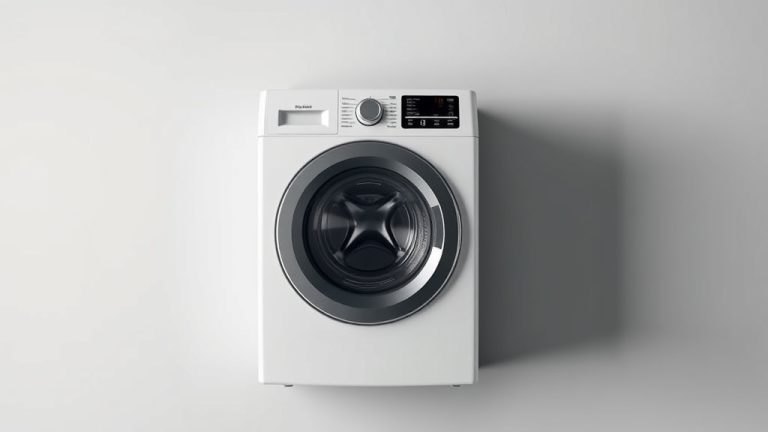
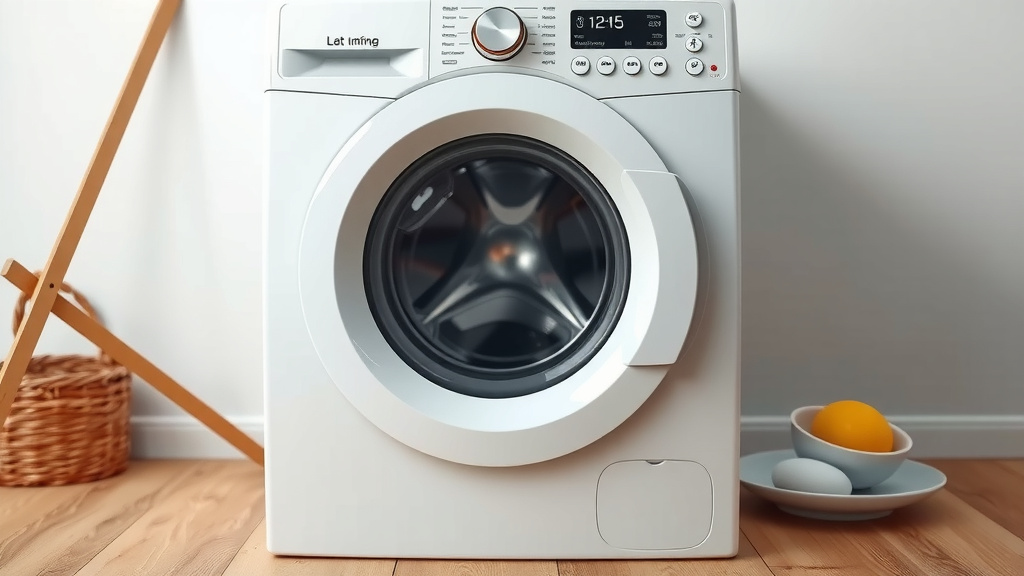
The smallest size washer you can typically find is a compact or mini washing machine. These units are designed for small spaces. They offer a smaller capacity for your laundry needs.
These compact washers are a great solution when you have limited square footage. They can fit in tiny apartments or RVs. Many people find them incredibly convenient for quick loads.
- Smallest washers are called compact or mini models.
- They are perfect for small living spaces like apartments.
- Look for models with smaller capacities.
- They are great for washing small loads of laundry.
We’ve researched the best options for you. Let’s walk through exactly what to look for in a small washer.
Finding the Tiniest Washing Machines for Your Home
So, you’re wondering about the smallest size washer available. It’s a common question, especially if you’re living in a cozy apartment or a mobile home. You’re looking for a washing machine that won’t take up much space. The good news is there are definitely options designed for tight living quarters. These are often called compact or mini washing machines. They prioritize saving space while still getting your clothes clean.
What to Expect from a Mini Washing Machine
When we talk about the smallest washers, we’re usually referring to models that are significantly smaller than standard full-size machines. Think about the size of a small dishwasher, or even a large cooler. These are machines built for efficiency and minimal footprint. They are perfect for people who don’t have a dedicated laundry room. You can often find them fitting into small closets or even tucked away in a kitchen or bathroom.
Capacity: How Much Can They Actually Wash?
The biggest difference you’ll notice with these mini washers is their smaller drum capacity. Standard washers can typically handle 8-12 pounds of laundry, sometimes more. Mini washers, on the other hand, are often rated between 0.5 to 2.0 cubic feet. This translates to washing anywhere from 3 to 10 pounds of laundry per load. So, can you wash a king-size comforter? Probably not. But for everyday clothes, socks, and undergarments, they are perfectly capable.
We found that for a single person or a couple, this capacity is often more than sufficient. It encourages doing smaller, more frequent loads. This can actually be quite efficient. It means you’re not waiting for a huge pile of clothes to accumulate. Plus, you can often run a load while you’re doing other things, thanks to their compact size.
Types of Small Washers You Can Buy
Within the “mini” category, you’ll find a couple of main designs. Understanding these will help you choose the best fit for your needs.
Portable Washing Machines
These are often the absolute smallest you can find. Many are designed to sit on a countertop or even be moved easily. Some connect directly to your faucet for water. Others have a small water tank you fill manually. They usually have a separate small spinner for drying clothes. Think of them as a two-part system: wash and then spin-dry. We’ve seen some that look like small buckets with a built-in agitator. They are incredibly lightweight and can be stored away when not in use.
Compact, Top-Load Washers
These resemble traditional top-load washers but are scaled down. They have a single drum that washes and spins. They are generally more automated than the portable units. You load the clothes, add detergent, set the cycle, and walk away. While they are compact, they are still larger than the portable bucket-style models. They usually require a more permanent hookup to a water source and drain. These are great if you have a bit more space but still need something small.
Compact, Front-Load Washers
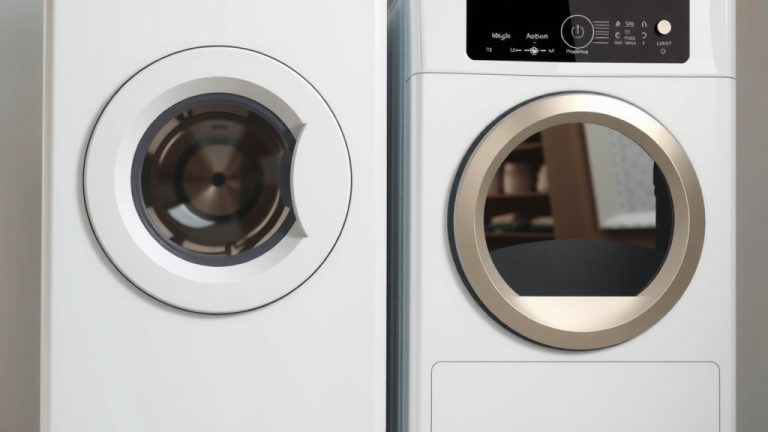
These are less common in the truly “mini” category but do exist. They offer the energy efficiency and gentleness on clothes that front-loaders are known for. However, they are typically the largest among the compact options. If you’re choosing between a compact top-loader and a compact front-loader, the top-loader will likely be smaller in overall dimensions. They also tend to be less expensive.
Where Do These Tiny Washers Fit?
The beauty of a small washer is its versatility in placement. You’re not limited to a large laundry room.
Apartment Living
For apartment dwellers, these are a lifesaver. You can often place a compact washer in a kitchen corner, a hallway closet, or even a generous bathroom. Some portable models can hook up to a kitchen sink faucet. This means you don’t need special plumbing. It’s a huge plus for renters. You can get that in-home laundry convenience without major installations.
RV and Mobile Homes
When space is at an absolute premium, like in an RV or a tiny home, these small washers are ideal. They allow you to do laundry on the go. This saves you money and time compared to using laundromats. We found that many RV owners opt for the most portable versions. This allows them to easily disconnect and store the machine when traveling.
Dorm Rooms and Guest Houses
Students in dorms or homeowners with guest houses can also benefit. Having a small, personal washer means fresher clothes without constantly trips to a communal laundry room or laundromat. It offers a level of convenience that’s hard to beat.
Key Features to Look for in a Small Washer
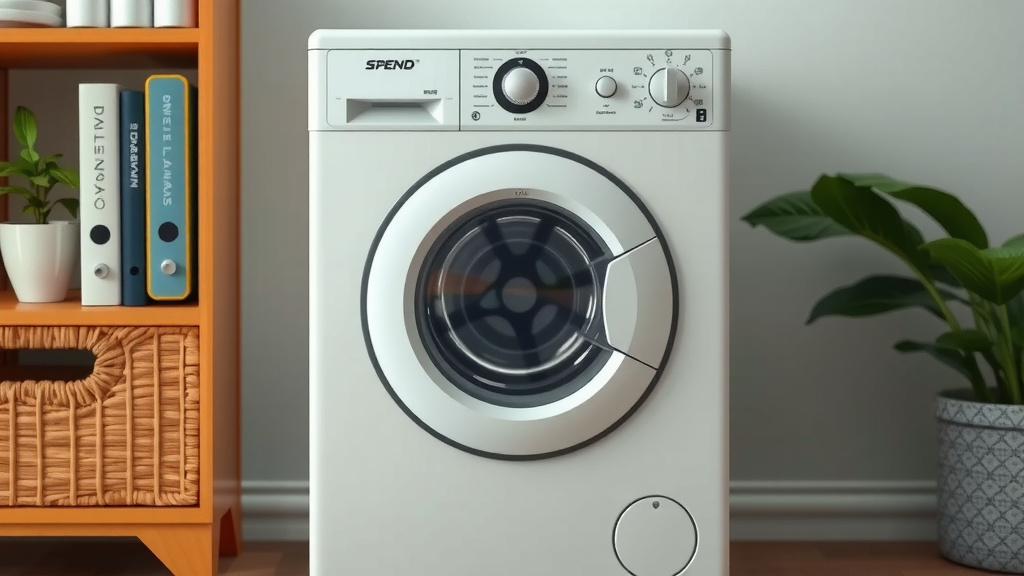
When you’re shopping for the smallest possible washer, a few features stand out. Prioritizing these will ensure you get a machine that meets your needs.
Dimensions and Weight
This is your primary concern. Always measure your intended space first. Then, compare those measurements to the washer’s dimensions. Note the height, width, and depth. Also, consider the weight, especially if you need to move it. Portable models are often under 50 pounds, while compact ones can be over 100 pounds.
Water and Drainage Needs
Understand how the washer connects to water and where the water drains. Does it connect to a faucet? Does it need a direct hose hookup? Where does the dirty water go? Some have small drain pumps, while others rely on gravity. Ensure your setup can accommodate these requirements.
Power Requirements
Most mini washers use standard household outlets. However, it’s always wise to check the voltage and amperage. Make sure your outlet can support the machine. This is especially important for portable models that might draw more power for their heating elements, if applicable.
Noise Level
Smaller machines, especially portable ones, can sometimes be noisier than their larger counterparts. If you live in close proximity to neighbors or have thin walls, look for models that mention noise reduction features. Reading reviews can give you a good idea of real-world noise levels.
Making the Most of Your Mini Washer: A Quick Checklist
To ensure you get the best performance from your small washer, keep these points in mind:
- Measure your space carefully before buying.
- Read reviews for noise and durability feedback.
- Understand the water hookup and drainage method.
- Know the machine’s weight if you plan to move it.
- Be realistic about load size; don’t overstuff it.
- Check the power requirements against your outlets.
Choosing a mini washing machine is all about balancing size and function. You can absolutely achieve the convenience of home laundry, even in the smallest of spaces. It just requires a bit of smart shopping and understanding what these pint-sized powerhouses can do for you.
Conclusion
You’ve learned that the smallest size washer is typically a compact or mini model, perfect for tight living spaces. We’ve seen that these machines, whether portable bucket-style or scaled-down top-loaders, offer a practical solution for apartments, RVs, and guest houses. While their capacity is smaller, they’re often sufficient for everyday needs, encouraging more frequent, manageable loads. Before you buy, remember to measure your space and check water, drainage, and power requirements. Now that you’re equipped with this knowledge, take the next step: measure your space and start comparing specific mini washer models that fit your needs and budget!
Frequently Asked Questions
What is the smallest physical dimension for a mini washing machine?
The absolute smallest washers are often portable, bucket-style units. These can be as little as 15 inches wide and 15 inches deep, with a height around 30 inches. Always double-check the specific product dimensions before purchasing, as they can vary slightly.
Can a mini washer handle a week’s worth of laundry for one person?
It depends on your laundry habits, but many mini washers can handle 3-10 pounds per load. For someone who doesn’t generate a lot of laundry or prefers frequent small washes, it can be sufficient for a week. You might need to do a few extra loads compared to a full-size machine.
Do portable mini washers require plumbing hookups?
Most portable mini washers do not require permanent plumbing. They often connect to a sink faucet for water supply and have a drain hose that can be placed in a sink or tub. Some even have small water tanks you fill manually.
Are compact washers more energy-efficient than full-size ones?
Generally, yes. Because they use less water and electricity per cycle due to their smaller capacity, compact and mini washers tend to be more energy-efficient. This can lead to cost savings on your utility bills over time.
Where is the best place to install a compact washer if I don’t have a laundry room?
You can often fit a compact washer in a kitchen corner, a spacious bathroom, or a closet. If you have a portable model, you can connect it to a sink and store it away when not in use, offering maximum flexibility for small living spaces.