Smallest Washer and Dryer: Find Compact Options
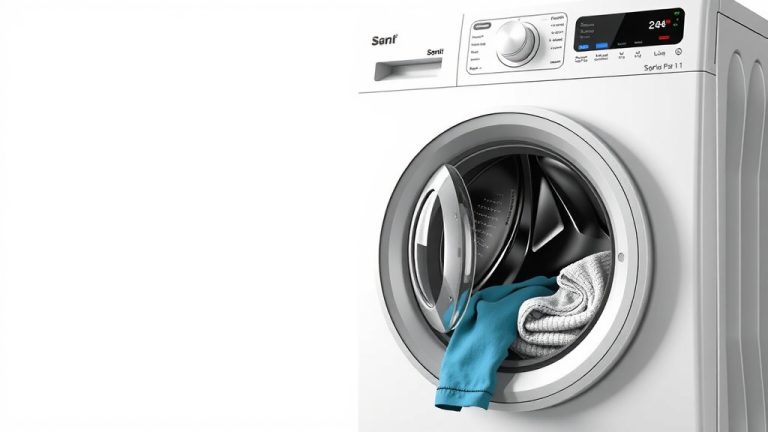
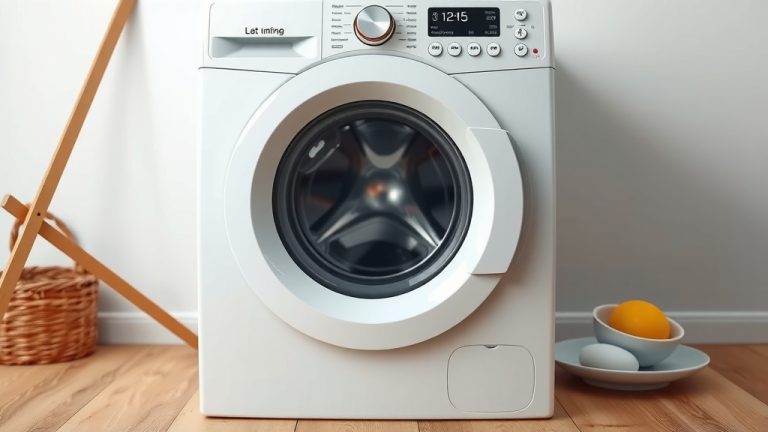
The smallest size washer and dryer you can find is typically a compact stackable unit. These are designed for tight spaces. They often measure around 24 inches wide.
If you’re short on laundry room space, these compact appliances are a lifesaver. They can fit into closets or small alcoves. You can find models designed to be energy efficient too. Many offer the same features as larger machines.
- Compact stackable units are the smallest option.
- They usually measure about 24 inches wide.
- Ideal for small apartments or homes.
- Look for energy-efficient models.
Let’s walk through exactly what makes these small appliances work so well for smaller living spaces.
Finding the Smallest Washer and Dryer Units for Your Home
So, you’re wondering about the smallest washer and dryer options out there. It’s a common question for anyone dealing with limited space. You’re not alone! Many people live in apartments, condos, or older homes where a full-sized laundry room just isn’t in the cards. The good news is that appliance manufacturers understand this need. They’ve developed some clever solutions that pack a punch without taking up much room.
Understanding Compact Laundry Dimensions
When we talk about the “smallest” washer and dryer, we’re usually referring to compact models. These are specifically designed to fit into tighter spaces. Think of them as the smart, space-saving cousins of the traditional laundry pair.
Standard vs. Compact: What’s the Difference?
A standard-sized washer or dryer typically measures about 27 to 30 inches wide. They also tend to be deeper and taller. Compact units, on the other hand, are generally around 24 inches wide. This difference might not sound huge, but it can be a real game-changer when you’re trying to squeeze appliances into a closet or a small nook.
The Appeal of Stackable Designs
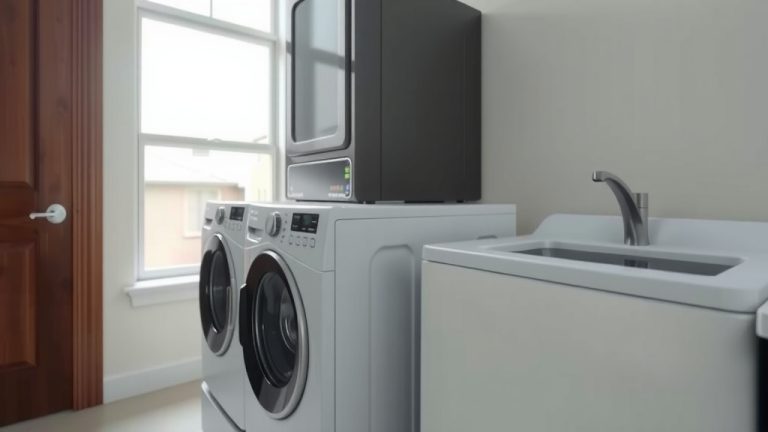
One of the most popular ways to save space is with stackable units. This means the dryer sits directly on top of the washer. It’s like giving your laundry appliances a vertical boost! This setup can drastically reduce the floor space needed. You get the full functionality of a washer and dryer without needing the width of two side-by-side machines. This is often the go-to for studios or very small apartments.
What to Expect from Small-Sized Washer and Dryer Sets
Don’t let their smaller size fool you. These compact laundry machines are quite capable. They offer many of the same features you’d find in larger models. You might be surprised by how much laundry you can actually get done with them.
Capacity: How Much Can They Hold?
The biggest difference you’ll notice with compact washers and dryers is their capacity. While a standard machine might handle 8-10 cubic feet of laundry, compacts typically range from 2.0 to 2.5 cubic feet. This is usually enough for smaller households or for washing items in smaller loads.
For example, a compact washer can generally handle about 10 to 15 pounds of laundry. That’s usually enough for a few outfits or a medium-sized load of towels. If you have a large family or do massive loads, you might find yourself running more cycles. But for singles, couples, or small families, it’s often perfectly sufficient.
Features You Can Still Get
Manufacturers know that small doesn’t have to mean basic. You can find compact washer and dryer sets with impressive features. Many come with multiple wash cycles to handle delicates, heavy-duty items, or quick washes. You’ll also find options for different water temperatures and spin speeds.
Look for features like steam cycles for sanitizing or wrinkle reduction. Some models offer smart technology, allowing you to control your laundry from your phone. Energy efficiency is also a big plus. Many compact units are designed to use less water and electricity, which is good for your wallet and the planet.
Venting Options: What Works for Your Space?
One consideration with dryers, even small ones, is venting. Traditional dryers need to vent hot, moist air outside. This requires an external vent connection.
However, if you can’t easily install a vent, you’re not out of options! You can find ventless compact dryers. These often use condensation or heat pump technology. Heat pump dryers are very energy efficient but can take longer to dry clothes. Condenser dryers collect moisture in a tray that you empty. These are great for apartments or situations where venting isn’t possible.
Comparing Compact Washer and Dryer Types
When you’re looking for the smallest options, you’ll primarily encounter a few types. Understanding these can help you choose the best fit for your needs.
All-in-One Units
These are the ultimate space savers. An all-in-one unit combines both a washer and a dryer into a single machine. You load your laundry once, and it washes, rinses, spins, and then dries your clothes. They are incredibly convenient for very tight spots.
The main tradeoff here is usually drying capacity and time. All-in-one units typically have smaller drums, and the drying cycle can take longer than a separate dryer. They are fantastic for small households or for washing delicate items that need a gentle dry.
Compact Stackable Pairs
This is what most people picture when thinking about small laundry setups. A compact washer (usually 24 inches wide) sits below a matching compact dryer. They are designed to be securely stacked. This gives you two separate machines that operate independently but take up the footprint of just one. This is a very popular choice because it offers separate wash and dry functions, which can sometimes be faster.
Apartment-Sized Side-by-Side Units
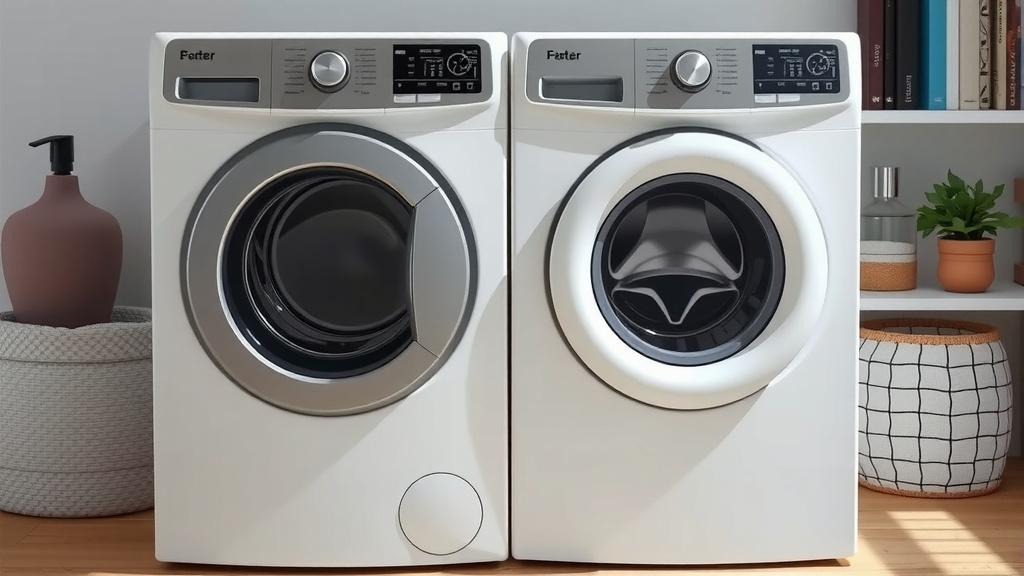
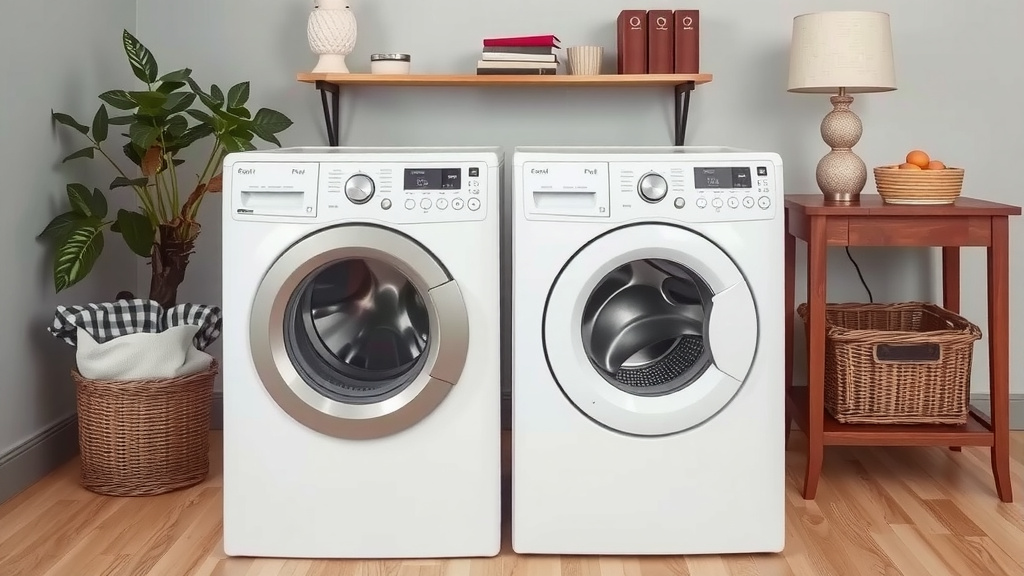
While less common for the absolute smallest footprint, you can find compact washers and dryers that are designed to sit side-by-side. These are typically the 24-inch width models. If you have a slightly wider closet or alcove but not enough for full-sized machines, these can work. They offer the familiar setup of two separate machines without the massive size of standard units.
Key Considerations Before You Buy
Before you rush out and grab the smallest unit you see, take a moment to think about a few things. Making sure the machine fits your lifestyle and your home is key to a happy laundry experience.
Measure Your Space Accurately
This might sound obvious, but precise measurements are critical. Measure the width, depth, and height of the space where you plan to put your washer and dryer. Don’t forget to account for door clearances. You need enough room to open the doors fully. Also, consider the space needed for hookups, like water hoses and electrical outlets. A tape measure is your best friend here!
Consider Your Laundry Needs
How much laundry do you actually do? Are you a single person or a family of five? Do you wash bulky items like comforters often? While compact machines are great, they have limits. Be honest about your typical laundry loads. If you always have mountains of clothes, a compact unit might feel like a constant struggle.
Check Utility Connections
Make sure you have the proper electrical and water hookups available for the unit you choose. Most compact washers will need a standard cold and hot water hookup and a regular electrical outlet. Dryers can be electric or gas. Electric dryers need a specific, higher-voltage outlet (usually 240V), while gas dryers need both a gas line and a standard electrical outlet for the drum motor.
Review Energy Efficiency Ratings
Look for the Energy Star label. Appliances with this certification meet strict energy efficiency guidelines set by the EPA. They use less energy and water than standard models. This can lead to significant savings on your utility bills over time. It’s a win-win for your budget and the environment.
Here’s a quick checklist to help you decide:
- Measure your space, including door swing.
- Assess your typical laundry load size.
- Confirm electrical and water hookup availability.
- Investigate venting needs and options (ventless is possible!).
- Look for Energy Star ratings for efficiency.
- Consider special features like steam or smart capabilities.
Conclusion
You’ve learned that the smallest washer and dryer options are typically compact, 24-inch wide stackable units. These clever appliances are designed to fit into tight spaces like closets or alcoves. While smaller in capacity, they offer many of the features you expect from larger machines, including various cycles and even smart technology. Don’t forget to measure your space precisely and consider your household’s laundry habits before you buy. You can find a space-saving solution that works for you!
Frequently Asked Questions
What is the absolute smallest washing machine size available?
The smallest washing machines are typically compact, front-loading models, often around 24 inches wide. Some ultra-compact or portable washing machines exist that are even smaller, but they usually have very limited capacity and may require manual draining or filling.
Can a compact dryer dry clothes as effectively as a full-sized one?
Yes, a compact dryer can dry clothes effectively for smaller loads. Keep in mind that their capacity is smaller, so you might need to do more frequent, smaller loads. Ventless options are great for tight spaces but may take a bit longer to dry than vented models.
Do I need special electrical hookups for a compact washer and dryer?
Most compact washers use a standard 120-volt electrical outlet. However, electric compact dryers often require a 240-volt outlet, similar to full-sized electric dryers. Always check the specific requirements for the model you are considering.
Are all-in-one washer/dryer units truly smaller than a stackable pair?
Yes, an all-in-one unit occupies less floor space than a stackable pair because it’s a single appliance. However, a stackable pair allows you to wash and dry simultaneously, which can be more efficient if you have multiple loads. All-in-ones typically have smaller capacities and longer dry cycles.
Can I install a compact washer and dryer in a regular closet?
You absolutely can install compact washer and dryer units in a closet, as long as the space is properly measured and meets ventilation requirements. Ensure there’s adequate airflow and clearance for door openings and utility connections.