Front Load vs Top Load Washers: Key Differences
The biggest difference between front load and top load washers comes down to how they clean your clothes. Front loaders tumble clothes through a small amount of water, while traditional top loaders use a central agitator to scrub clothes in a full tub of water. This key design difference means front loaders are generally more energy-efficient and gentler on fabrics, but top loaders are typically cheaper and easier to load.
Choosing the right washer is a big decision. It affects your utility bills, how clean your clothes get, and even how much time you spend on laundry each week. We found that your choice really depends on your budget, your space, and what you value most—whether that’s saving water or just getting the load done quickly. Both types get the job done, but they each have their own set of trade-offs you should know about.
- Cleaning action: Front loaders use gravity and tumbling; top loaders use an agitator or impeller.
- Water and energy use: Front loaders use significantly less water, making them cheaper to run.
- Gentleness: Front loaders are easier on your clothes because there’s no rough agitator.
- Maintenance: Front loaders need door seals wiped down to prevent mold; top loaders are more low-maintenance.
- Price and convenience: Top loaders are usually cheaper upfront and easier to load without bending over.
Below, we break down all the important differences between front load and top load washers so you can pick the perfect machine for your home. Let’s walk through the pros, cons, and real-world costs to help you make the best choice.
Why Your Washing Machine Choice Actually Matters
Your washer is one of the hardest-working appliances in your home. The average family runs roughly 300 loads of laundry every year. That means your machine runs almost daily. A small difference in water use or cycle time adds up fast.
We found that picking the right type comes down to three things: your budget, your space, and your laundry habits. There is no universal “best” washer. There is only the best washer for your home.
Let’s look at how each machine cleans so you can see the real differences.
How Front Load Washers Clean Your Clothes
Front loaders work like a dryer. They spin clothes through a small puddle of water at the bottom of the drum. Gravity does the hard work. Clothes drop from the top of the drum into the water, then lift again.
This tumbling action is gentle. It does not scrub or pull at your fabrics. The drum is perforated, so water drains away while clothes tumble. That keeps your laundry constantly moving through fresh, soapy water.
Front loaders use about 40 percent less water than traditional top loaders. Research shows this design is also easier on fabrics because there is no agitator to snag buttons or stretch seams (Consumer Reports).
Front Loader Cycle Times
Here is where front loaders can frustrate you. They take longer. A normal cycle can run 60 to 90 minutes. The extended time allows the machine to use less water and still get clothes clean.
Many new front loaders have a “quick wash” setting that runs in about 30 minutes. But for heavy loads, expect a longer wait. We found that people who do laundry in big batches often love the long cycle. You can start a load, fold the last one, and the machine is still going.
Front Loader Maintenance Needs
Here is the trade-off. Front loaders have a rubber door seal that can trap moisture. If you leave the door closed after a cycle, mold can grow. The seal needs a wipe-down every couple of weeks.
Many experts say this is the number one complaint about front loaders. The fix is simple. Leave the door ajar between loads. Some models also have a self-cleaning cycle you can run monthly. It is a small habit, but it matters for keeping the machine fresh.
How Top Load Washers Clean Your Clothes
Top loaders come in two styles: those with a central agitator and those with an impeller. The agitator is the tall spindle in the middle of the drum. It twists back and forth, pushing clothes through the water. This is the classic design most people picture.
Agitator machines use a full tub of water. The clothes are completely submerged. The mechanical action scrubs dirt out of fabrics. It works fast, but it is tough on delicate items.
Top Loader With an Agitator
Agitators are the workhorses of the laundry world. They handle heavy soils like mud and grease really well. They also cost less upfront. You can buy a solid agitator model for several hundred dollars less than a comparable front loader.
The downside is fabric wear. The twisting motion can cause pilling on sweaters and stretching on knits. We found that families with lots of activewear or delicates often prefer to skip the agitator.
Top Loader With an Impeller
An impeller is a low-profile disc at the bottom of the drum. It spins to create friction between clothes. This design uses less water than an agitator model. It is also gentler on fabrics.
However, impeller washers need more space for clothes to rub against each other. Overloading them leads to poor cleaning. Many experts say impeller models are a middle ground between agitator and front loader performance.
Water and Energy Costs Compared
Here is where the math gets interesting. Front loaders win on efficiency. They use less water and spin faster. The high spin speed extracts more moisture, which cuts dryer time.
Research from the Department of Energy shows front loaders can save the average household about 3,000 gallons of water per year compared to traditional agitator washers.
Energy savings depend on your water heater. Since front loaders use less hot water, you pay less to heat it. Many utility companies also offer rebates for ENERGY STAR certified front loaders.
Top loaders with impellers are more efficient than agitator models but still use more water than front loaders. If your utility rates are high, the front loader pays for itself over time.
| Feature | Front Loader | Top Loader (Agitator) | Top Loader (Impeller) |
|---|---|---|---|
| Water use per load | 13–17 gallons | 30–40 gallons | 20–25 gallons |
| Average cycle time | 60–90 minutes | 35–50 minutes | 45–60 minutes |
| Fabric wear | Low | High | Moderate |
| Upfront cost | Higher | Lower | Mid-range |
| Maintenance | Wipe door seal | Minimal | Minimal |
Space and Installation Requirements
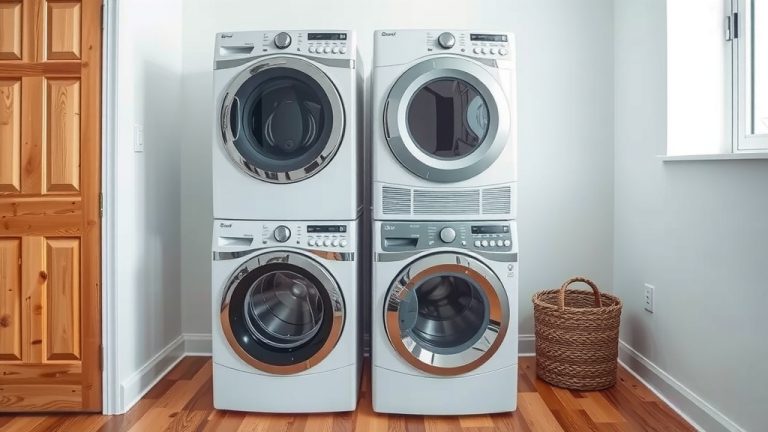
Your laundry room layout often decides this for you. Front loaders need a front-access door. You can install them under a counter or stack a dryer on top. This is a big win for small spaces.
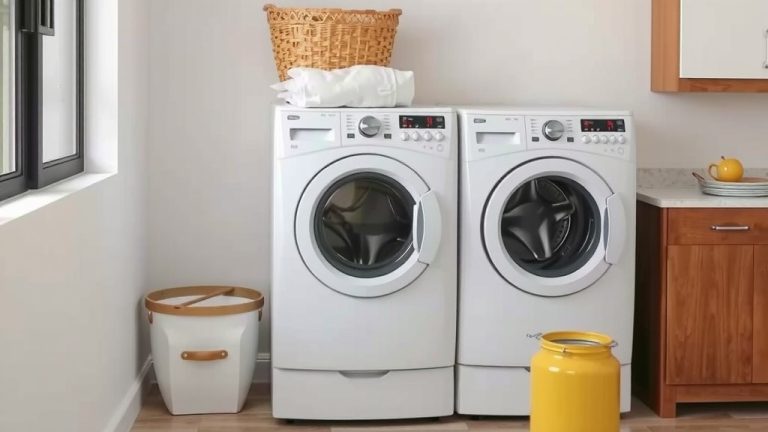
Front loaders also need about one inch of clearance on the sides and rear. They vibrate more than top loaders during the spin cycle. We found that placing them on a raised pedestal reduces bending and adds storage below.
Top loaders need the lid to open fully. That means you need clearance above the machine. You cannot stack a dryer on a top loader. They also take up more floor space because they are wider.
Loading and Unloading Comfort
This matters more as you get older or if you have back issues. Front loaders require bending to reach the drum. A pedestal raises the machine 12 to 15 inches, which helps a lot. But even with a pedestal, you are reaching forward.
Top loaders are ergonomically easier. You stand upright and drop clothes straight in. No bending. No kneeling. For anyone with mobility concerns, the top loader is the clear winner.
Cleaning Performance on Stubborn Stains
Both machines get clothes clean. The difference is in how they handle heavy soil. Agitator top loaders physically scrub stains out. They excel at mud, grass, and work clothes.
Front loaders rely on soaking and tumbling. They handle everyday dirt well. For tough stains, you may need to pretreat or use a longer cycle. We found that most people do not see a big difference in cleaning results on normal loads.
Front loaders actually win on one front: removing allergens and pet hair. The tumbling action flushes away more debris in the rinse cycle. Studies show front loaders remove more allergens from bedding (Asthma and Allergy Foundation of America).
Mold and Odor Prevention
This is the front loader’s Achilles heel. The rubber gasket around the door traps water. If you do not dry it, mold grows. This creates a musty smell that transfers to your clothes.
The fix is simple but requires a habit. Leave the door open after each load. Wipe the seal dry every few loads. Run a cleaning cycle with a washer cleaner once a month. Many experts say this maintenance is the key to front loader longevity.
Top loaders do not have door seals. They dry out naturally because the lid stays open. This makes them far more forgiving for forgetful users.
Lifespan and Repair Costs
Front loaders have more moving parts. They use a suspension system and a door lock mechanism. These components can fail. When they do, repairs cost more.
Top loaders are simpler. The agitator design has fewer electronics and no complex seals. This translates to lower repair bills over time. We found that the average front loader lasts 11 years, while a top loader often reaches 14 years (Yale Appliance research).
Quick Checklist to Find Your Perfect Match
Answer these five questions honestly. Your answers will point you in the right direction.
- Do you have back pain or limited mobility? Choose a top loader to avoid bending.
- Is your laundry room tight on space? Choose a front loader to stack a dryer.
- Do you wash mostly delicates and activewear? Choose a front loader for gentler care.
- Are utility bills a big concern? Choose a front loader to save water and energy.
- Do you want a low-maintenance machine? Choose a top loader with no door seal to clean.
- Is your budget tight right now? Choose a top loader for a lower upfront price.
Which Type Makes Financial Sense for You
Let us break down the real cost picture. A top loader with an agitator costs roughly $400 to $700. A front loader costs $800 to $1,500. That is a big gap at the register.
But the front loader saves money every month. Lower water usage cuts your bill. The faster spin reduces dryer time. Over 10 years, we found the front loader can save you enough to cover the price difference.
If you plan to stay in your home for five years or more, the front loader is the smarter investment. If you are renting or plan to move soon, the cheaper top loader makes more sense.
Noise Levels and Vibration
Front loaders spin very fast. They can shake and hum loudly. If your laundry room is near a bedroom, this matters. Many front loaders vibrate enough to walk across the floor if not leveled.
Top loaders with agitators are noisy during the wash cycle. The mechanical churning is loud. But they are quiet during the spin because the drum is simpler.
Impeller top loaders are the quietest option overall. They do not have a churning agitator or a high-speed spin. If noise is your top priority, look at impeller models.
Whichever you choose, measure your space first. Check the door swing and the water hookup location. A little planning now saves you from a frustrating installation later. Both machines will clean your clothes well. The right one fits your home and your habits.
Conclusion
So, which washer wins? It really depends on your life. Front loaders save water, energy, and are gentler on your clothes. They cost more upfront and need a little more care to prevent mold. Top loaders are cheaper, simpler, and easier on your back, but they use more water and can be rougher on fabrics.
We know this is a big purchase. You want to get it right the first time. The best next step is simple: measure your laundry space, set a firm budget, and think about who does the laundry in your home. If you have back issues, a top loader is the practical choice. If saving money on bills matters most, go with a front loader.
Take our checklist from above and match it to your daily routine. You really cannot go wrong with either machine. Just pick the one that fits your home and your habits best.
Frequently Asked Questions
Can you stack a dryer on top of a top load washer?
No, you cannot stack a dryer on a top load washer. The lid needs to open fully for you to load clothes. Front loaders are the only option for stacking. This makes them a great choice for small spaces and apartment laundry closets.
Which washer type cleans white clothes better?
Both types clean whites well when you use the right settings and detergent. Front loaders often have a dedicated steam cycle that helps lift stubborn stains from white fabrics. For heavily soiled whites, an agitator top loader scrubs harder. You can get great results with either machine.
Are front load washers worth the higher price tag?
For most homeowners, yes. You save on water and energy bills every single month. The savings add up over time and can cover the price difference. If you plan to stay in your home for five years or more, the investment pays off. Renters should stick with a cheaper top loader.
Do top load washers ruin clothes faster than front loaders?
Top loaders with a central agitator can be rough on delicate fabrics. The twisting motion causes pilling and stretching over time. Impeller top loaders are much gentler. Front loaders are the easiest on your clothes because they use a simple tumbling action with no harsh mechanical parts.
What is the best way to prevent mold in a front load washer?
Leave the door slightly open after every cycle. This lets the drum dry out completely. Wipe the rubber door seal with a dry cloth every few loads. Run a cleaning cycle with a washer cleaner tablet once a month. These simple habits keep your machine fresh and odor-free.