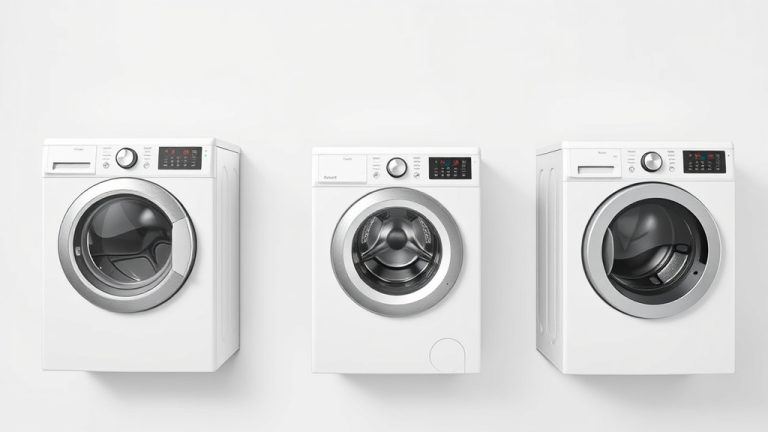
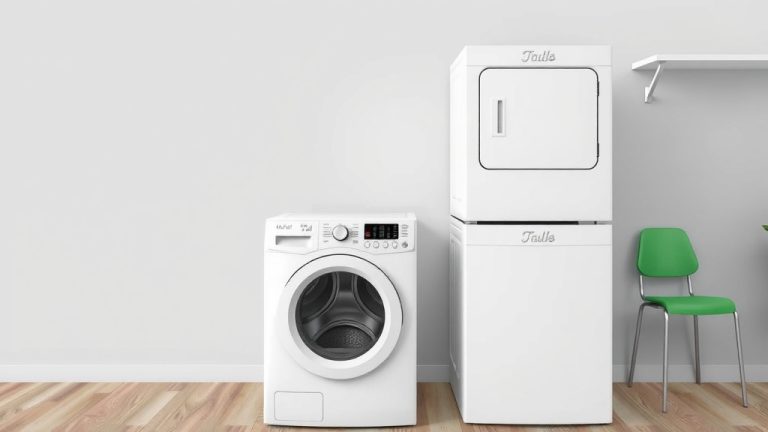
Largest Washer Sizes: What You Need to Know
The biggest washer size you can typically find is a 5.0 to 5.5 cubic feet capacity. This is usually considered extra-large and is perfect for handling bulky items like king-size comforters or large family loads with ease.
When you’re looking at washer sizes, capacity is measured in cubic feet. Higher cubic feet means more space inside for your laundry. Bigger isn’t always better, but for households with lots of clothes or bulky bedding, a larger capacity washer can save you time and energy.
- The largest washer sizes generally offer 5.0 to 5.5 cubic feet of capacity.
- This “extra-large” size is ideal for bulky items and large families.
- Washer capacity is measured in cubic feet, indicating internal volume.
- Consider your laundry needs and space before choosing a large washer.
Let’s dive into what makes these larger washers so convenient and what you should look for when shopping.
So, you’re wondering about the biggest washer size out there. It’s a great question, especially if you’re dealing with mountains of laundry or those bulky bedding items that just won’t fit into a standard machine. Let’s break down what “biggest” really means when it comes to washing machines.
Understanding the Largest Washer Capacities
When we talk about the biggest washer sizes, we’re generally looking at models with a capacity of around 5.0 to 5.5 cubic feet. This is often labeled as “extra-large” or “jumbo” by manufacturers. These machines are built to handle more laundry in a single load, which can be a real time-saver.
Think about it: if you’ve got a family of five, or you find yourself washing king-size comforters, sleeping bags, or even multiple loads of towels at once, a larger capacity machine can be a lifesaver. You’ll spend less time running the washer and dryer, freeing you up for other things.
Why Bigger Capacity Matters for Your Laundry Routine
The primary benefit of a larger washer is, of course, the ability to wash more items at once. This is especially helpful for larger households. Imagine getting through a week’s worth of family clothes in just a few loads instead of many. That’s a significant time commitment saved.
Handling Bulky Items with Ease
One of the biggest advantages of these oversized machines is their ability to tackle bulky bedding. We’re talking about king-size comforters, duvets, thick blankets, and even large dog beds. These items are notoriously difficult to wash in standard machines. They can get bunched up, preventing proper cleaning and potentially damaging your washer.
A larger capacity drum provides the necessary space for these bulky items to move freely. This allows water and detergent to circulate properly, leading to a more thorough clean. Many experts suggest that allowing ample space is key to effective washing, regardless of load size (Consumer Reports).
Saving Time and Energy
While it might seem counterintuitive, running fewer, larger loads can actually be more energy-efficient in the long run. Instead of running your washer and dryer multiple times for the same amount of laundry, you’re doing it just once. This reduces overall electricity and water consumption per pound of laundry washed.
Many studies show that the energy used per wash cycle remains relatively consistent, whether the machine is half-full or completely full. So, by maximizing your wash loads, you’re getting more laundry done for a similar energy cost. This is a win-win for your wallet and the environment.
What to Look For in a Large Capacity Washer
When you’re shopping for the biggest washer size, there are a few key features to consider beyond just the cubic feet measurement. You want to make sure the machine is also practical and efficient for your needs.
Understanding Cubic Feet and Load Sizes
The capacity of a washer is measured in cubic feet. This refers to the internal volume of the drum. A higher number means a larger drum. For reference, a standard top-load washer might be around 3.5 to 4.0 cubic feet. So, 5.0 to 5.5 cubic feet is a substantial jump.
To give you a better idea, a 5.0 cubic foot washer can typically handle about 15-20 pounds of dry laundry. That’s roughly 10-12 bath towels, or a king-size comforter, or about 20-25 t-shirts. It’s quite a bit!
Features to Enhance Your Large Load Experience
Beyond just size, look for washers with features designed to handle larger loads effectively. Some machines have specialized cycles for bulky items or bedding. These cycles often use more water or different agitation patterns to ensure everything gets clean.
Consider models with powerful, yet gentle, direct-drive motors. These can handle the weight and movement of larger loads without excessive wear and tear. Also, look for water level sensors. These automatically adjust the water level based on the load size, preventing wasted water and ensuring clothes are adequately submerged for cleaning.
Top Load vs. Front Load in Large Capacities
Both top-load and front-load washers come in large capacities. Traditionally, front-loaders were known for their larger capacities and gentler wash action. However, modern high-efficiency (HE) top-loaders have closed that gap significantly.
HE top-loaders often use an impeller or a low-profile agitator instead of a central agitator, which frees up more space in the drum. Many consumers also find top-loaders easier to load and unload, especially large or heavy items, as there’s no bending down involved. However, front-loaders are generally considered more water-efficient and may offer a deeper clean for heavily soiled items due to the tumbling action (Energy Star).
Here’s a quick comparison:
| Washer Type | Typical Max Capacity (Cubic Feet) | Pros for Large Loads | Cons for Large Loads |
|---|---|---|---|
| Standard Top Load | 3.5 – 4.2 | Simple to use, generally less expensive | Limited capacity, can be rough on clothes |
| HE Top Load | 4.5 – 5.5 | More capacity, gentler wash, no deep bending | Impeller can sometimes tangle clothes |
| Front Load | 4.5 – 5.5+ | Excellent cleaning, very water-efficient, large capacity | Requires bending, longer cycle times, potential for mold/odor if not maintained |
Space Considerations for a Bigger Machine
Before you get too excited about a massive washer, remember that larger capacity means a larger physical footprint. You need to make sure the machine will actually fit in your laundry space. Measure carefully!
Don’t forget to account for ventilation, door swing (especially for front-loaders), and space for connecting hoses and electrical outlets. A washer that’s too big can lead to frustration and potential installation problems. It’s like trying to fit a king-size mattress through a narrow doorway – it just doesn’t work!
Are Large Capacity Washers Right for You? A Quick Checklist
Consider these points to see if a bigger washer is your laundry’s best friend:
- Do you often wash bulky items like comforters or sleeping bags?
- Do you have a large family with a high volume of laundry?
- Would you prefer fewer wash cycles per week?
- Do you have enough space for a larger appliance?
- Are you looking to potentially save energy by consolidating loads?
- Do you want to simplify your laundry routine?
If you answered “yes” to several of these, then exploring the largest washer sizes available could be a fantastic move for your household.
Conclusion
So, you’ve learned that the biggest washer sizes typically top out around 5.0 to 5.5 cubic feet. These extra-large machines are your best bet for tackling bulky bedding and massive family laundry loads. They can save you valuable time and energy by reducing the number of cycles you need to run. Before you buy, remember to double-check your measurements to ensure a larger appliance will actually fit your laundry space. Ready to upgrade your laundry routine? Measure your space, assess your typical laundry needs, and start exploring the extra-large options that fit your home and lifestyle best.
Frequently Asked Questions
What is the absolute largest washer capacity available?
While 5.0 to 5.5 cubic feet is the most common “largest” size you’ll find, some manufacturers might offer models slightly larger, perhaps reaching up to 5.8 cubic feet. These are less common and often have specialized designs.
Can a large capacity washer really fit a king-size comforter?
Yes, absolutely! That’s one of the main benefits of washers in the 5.0 to 5.5 cubic feet range. They provide ample drum space for bulky items like king-size comforters, duvets, and thick blankets to move freely and get thoroughly cleaned.
Do large capacity washers use more water and electricity?
While a single cycle might use a bit more water, running fewer large loads instead of many small ones can actually be more energy-efficient overall. High-efficiency models are designed to optimize water usage based on load size.
Are there any downsides to owning a very large washer?
The main downsides are the larger physical dimensions, which require careful space planning, and the fact that washing very small loads in a huge machine might not be as efficient. You also need to ensure you’re filling it enough to get the best cleaning performance.
How do I know if a large capacity washer is right for my household size?
If you have a family of four or more, frequently wash bedding or large towels, or simply find yourself doing too many loads each week, a larger capacity washer is likely a good fit. It’s about simplifying your chores and handling your laundry volume more effectively.