Washtower vs Stackable: Which Laundry Setup Is Best
When choosing between a washtower and a stackable laundry setup, the primary difference lies in space efficiency and appliance configuration. A washtower is a single unit with a washer and dryer combined vertically, designed for small laundry rooms. A stackable system uses separate washer and dryer units that are designed to be placed one on top of the other using a special kit, offering flexible arrangement.
Both options are fantastic for maximizing floor space in compact homes. Many homeowners are drawn to the sleek, integrated look of a washtower. Others prefer the idea of being able to buy separate washer and dryer models that can then be stacked. We found that the best choice depends on your specific needs and the dimensions of your laundry area.
- Washtowers are one integrated unit.
- Stackable units are separate appliances.
- Washtowers save the most space.
- Stackables offer more appliance choice.
- Consider your room size and needs carefully.
Let’s dive into the details of each setup so you can make the perfect choice for your home.
Choosing Your Laundry Solution: Washtower vs. Stackable Appliances
When you’re faced with a tight laundry space, the decision between a washtower and a stackable system can feel like a big one. Both are designed to help you conquer laundry day without taking over your entire room. We’ve looked at both options and found they offer distinct advantages. Let’s break down what makes each one a great choice for your home.
Understanding the Washtower: The All-in-One Marvel
A washtower is essentially a single, integrated appliance. Think of it as a washer and dryer that are built together, one on top of the other, in one cohesive unit. This design is specifically engineered for maximum space savings. You don’t buy two separate machines; you buy one unit that functions as both.
The Benefits of a Unified Design
The biggest win for a washtower is its ultra-compact footprint. If you have a very small laundry closet or alcove, this could be your lifesaver. Because it’s a single unit, installation can also be simpler. You don’t have to worry about aligning two separate machines.
Space-Saving Champion
Research consistently shows that integrated designs like washtowers offer the most efficient use of vertical space. This means you get full-sized washer and dryer capabilities without needing the width of two side-by-side machines. Many find this essential for apartments or small homes.
Sleek Aesthetics
Beyond function, washtowers often boast a modern, streamlined look. They can make a small laundry area feel more organized and intentional. It’s like having a purpose-built appliance that fits perfectly.
Potential Drawbacks of Washtowers
While space efficiency is their superpower, washtowers do have a couple of points to consider. One common concern is repair accessibility. If one component (like the dryer) needs servicing, you might have to deal with the entire unit being out of commission, which can be a real hassle.
Limited Model Choice
Because it’s a single integrated unit, your choices for specific features or brands are generally more restricted compared to buying separate machines. You’re choosing a pre-designed package rather than custom-picking your washer and dryer.
Exploring Stackable Laundry Systems: Flexibility and Choice
A stackable laundry system involves buying a separate washer and a separate dryer that are designed to be safely placed one atop the other. You’ll typically need a special stacking kit to secure them. This gives you more control over the individual appliances you choose.
The Appeal of Separate Appliances
The main draw here is the flexibility in appliance selection. You can pick the exact washer and dryer models that best suit your washing needs and drying preferences. Do you need a large-capacity washer? A dryer with steam functions? You can mix and match to get your ideal pair.
Customization is Key
We found that homeowners who are particular about their laundry features often lean towards stackable systems. You can research and select the best washer for your delicates and the most efficient dryer for your bulky items, then stack them up.
Easier Repairs and Upgrades
If your dryer needs a fix, you can often get just the dryer serviced without disrupting your entire laundry setup. Similarly, if you want to upgrade just your washer in a few years, you have that option without replacing the whole stack.
Considerations for Stackable Setups
While stackable systems offer great advantages, they do require a bit more space than a washtower. You’ll need enough width for both machines plus the height to accommodate the stacked unit. Installation can also be slightly more involved due to connecting two separate appliances.
Height and Accessibility
Keep in mind that the top dryer can be quite high. This might be an issue for shorter individuals or if you frequently need to access the dryer’s lint trap or controls. Some kits include a step stool, but it’s something to factor in.
Need for a Stacking Kit
Don’t forget the stacking kit! This is an essential accessory to ensure stability and safety. It’s an added cost and something you need to purchase along with your washer and dryer.
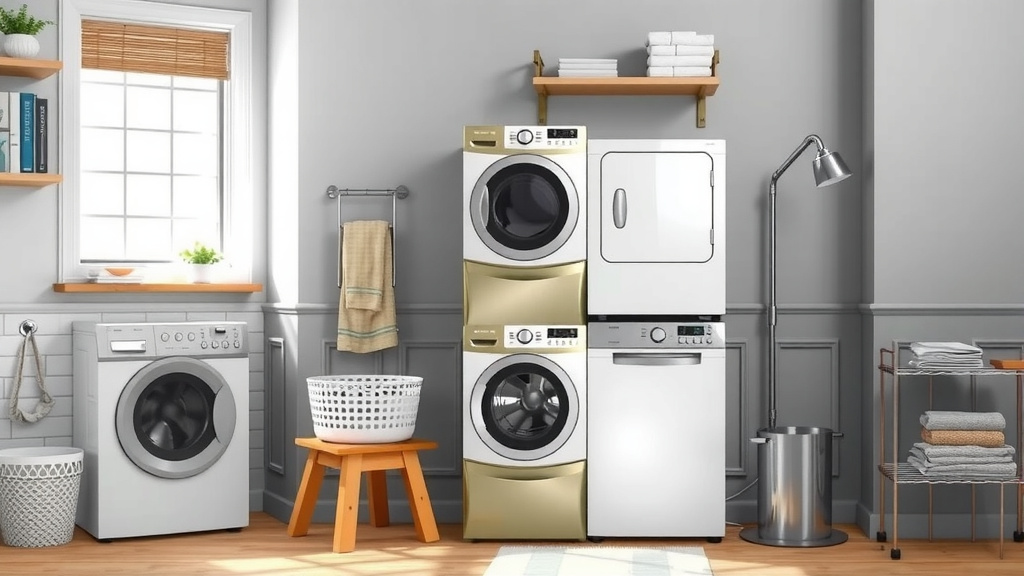
Direct Comparison: Washtower vs. Stackable
To help you visualize the differences, let’s look at a quick breakdown. Think of a washtower as a built-in solution, and stackable units as a customizable, adaptable setup.
| Feature | Washtower | Stackable System |
|---|---|---|
| Appliance Type | Single, integrated unit | Separate washer and dryer |
| Space Efficiency | Highest (single vertical unit) | High (two units stacked) |
| Appliance Choice | Limited to integrated models | Wide range of individual models |
| Installation | Generally simpler | Requires stacking kit, can be more complex |
| Repair/Upgrade | Potentially more complex | Easier to repair/upgrade individual units |
| Aesthetics | Sleek, unified look | Can vary based on chosen models |
Making the Right Choice for Your Home
So, which is better for you? It truly boils down to your priorities and your laundry space. If you have a tiny footprint and want maximum space savings above all else, a washtower is likely your best bet. They’re designed to fit into tight spots without compromise on basic laundry functions.
When to Opt for a Washtower
Choose a washtower if:
- Your laundry area is extremely limited in width.
- You prefer a single, streamlined appliance.
- You want the simplest possible installation for a vertical setup.
- You don’t need highly specialized features on your washer or dryer.
When to Choose Stackable Units
Consider stackable units if:
- You want the freedom to choose specific washer and dryer models.
- You need more capacity or specialized cycles.
- You anticipate needing to repair or upgrade individual appliances down the line.
- Your space can accommodate the width of two machines (even if stacked).
Final Considerations for Your Decision
Before you buy, take careful measurements of your laundry space. Ensure you account for door swings, ventilation, and electrical outlet access. Many guidelines suggest leaving a few inches of clearance around appliances for airflow (CDC).
Think about your typical laundry load. Do you wash a lot of bulky items like comforters? Do you have a large family with high laundry volume? These questions can steer you toward a specific capacity or feature set, which might influence whether you pick a washtower or a stackable system with your desired individual machines.
Your Laundry Room Checklist
To make sure you’re prepared, here’s a quick checklist:
- Measure your available space (height, width, depth).
- Consider the size of your typical laundry loads.
- Think about specific wash and dry features you need.
- Check for adequate ventilation and power outlets.
- Factor in the need for a stacking kit if going with stackable units.
- Decide if repair accessibility or appliance choice is more important to you.
Conclusion
Choosing between a washtower and a stackable laundry setup comes down to your home’s unique needs and your personal preferences. You’ve learned that washtowers excel in ultra-compact spaces, offering a sleek, integrated solution. Stackable systems provide greater flexibility, letting you pick specific models with the features you desire. We found that careful measurement and a clear understanding of your laundry habits are key. Your next step is to measure your space precisely and decide which type of system best fits your lifestyle. Make the choice that brings you the most convenience and joy on laundry day!
Frequently Asked Questions
Can I stack any washer and dryer?
No, you generally cannot stack any washer and dryer. Stackable units are specifically designed for this purpose and require a secure stacking kit to prevent them from tipping over. Always check if your chosen washer and dryer models are compatible for stacking.
Which is cheaper, a washtower or stackable units?
The cost can vary greatly depending on the brands and features you choose. Typically, a higher-end washtower might be more expensive than a basic stackable pair. Conversely, premium individual washer and dryer models for stacking can quickly exceed the cost of a washtower. We recommend comparing prices for models with similar features.
Are washtowers harder to repair than stackable units?
Yes, washtowers can be more challenging and costly to repair. Because they are a single integrated unit, accessing internal components might require disassembling more of the appliance. With stackable units, you can often service or replace the washer or dryer individually.
Do washtowers have less capacity than stackable machines?
Not necessarily. While some compact washtowers might have smaller capacities, many models offer full-sized or large-capacity washers and dryers. Similarly, stackable units come in various capacities. Your decision should focus on the specific model’s specifications rather than the type of setup.
How much space does a stackable system actually need?
A stackable system needs enough width for both the washer and the dryer (usually around 27-30 inches each) and sufficient vertical clearance to accommodate both appliances stacked, plus a few inches for airflow and access. Always measure the combined height of your chosen machines plus the stacking kit.