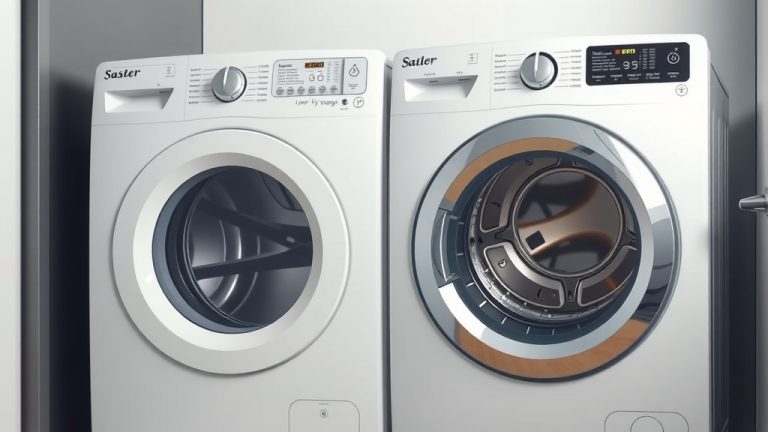
Front Load vs Top Load Washers: Key Differences
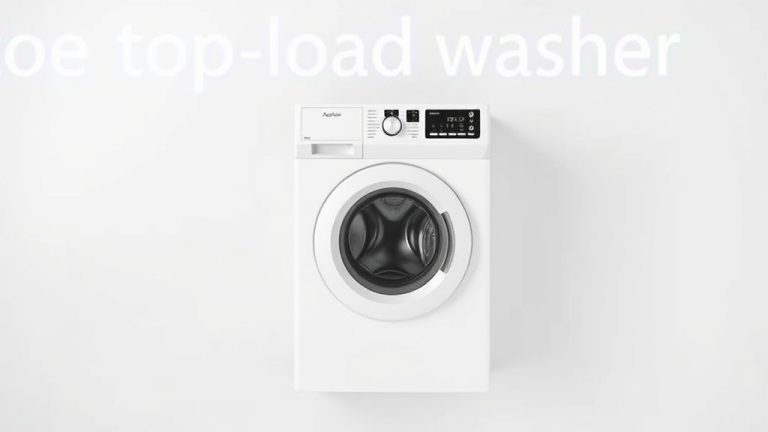
The main difference between a front load washer and a top load washer comes down to how you put clothes in: through a door on the front or a lid on the top. Beyond that, they differ in cleaning power, water usage, and price. Front loaders are generally more efficient and gentler on clothes, while top loaders are usually cheaper and easier to load.
Your choice really depends on your budget, your space, and how you like to do laundry. We found that front load washers use less water and spin clothes faster, which cuts drying time. However, top load washers are simpler to use and don’t require you to bend over. Many experts say there is no single “best” option—just the best one for your household.
- Front load: Better cleaning, uses less water, but costs more upfront.
- Top load: Cheaper, easier to load, but uses more water.
- Front load: Gentler on fabrics and spins faster for quicker drying.
- Top load: No bending required, and you can add clothes mid-cycle easily.
- Front load: Needs door left open to avoid mold, while top loads don’t.
Below, we break down everything you need to know about the front load vs top load debate so you can pick the right machine for your laundry room.
Front Load vs. Top Load: Key Differences at a Glance
When you start shopping for a washing machine, you will see two main types. The choice between a front load and top load washer shapes how you do laundry for the next decade. We found that your living situation and physical needs often decide the winner faster than any spec sheet.
Think of it like choosing between a sports car and a minivan. Both get you to work. But they offer totally different experiences along the way. Your job is to figure out which ride fits your daily routine best.
How Each Machine Physically Works
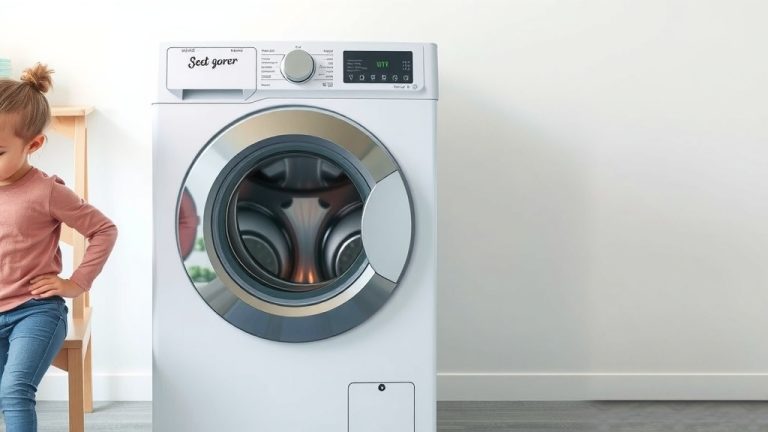
A front load washer tumbles clothes through a small amount of water at the bottom of the drum. The clothes fall and splash repeatedly, which lifts dirt out of fabrics. This tumbling action is what makes them so effective at cleaning.
A top load washer, on the other hand, fills the tub with water and uses an agitator or impeller to move clothes around. The clothes soak in a full bath of water while being pushed and pulled. This is the traditional way most Americans grew up doing laundry.
The Agitator vs. Impeller Difference
Older top loaders use a tall center pole called an agitator. It twists back and forth to scrub clothes. Newer high-efficiency top loaders use a low-profile impeller at the bottom instead. The impeller creates friction between clothes to clean them without the harsh twisting.
Many experts say impeller washers are gentler than agitator models. But they still use more water than a front loader. If you have sensitive skin or wash delicates often, this detail matters for your fabric care.
Cleaning Performance: Which Washer Gets Clothes Cleaner?
For tough stains and ground-in dirt, front load washers usually win the cleaning contest. The tumbling action is more aggressive on stains without being rough on fabric. We found that front loaders also distribute detergent more evenly through the load.
Top loaders with agitators clean heavily soiled work clothes very well. The vigorous twisting action breaks down mud and grease. But this same power can be too rough for delicate items like silk blouses or lace undergarments.
Many guidelines point to front loaders as the better choice for households with kids or pets (Consumer Reports). The mechanical action removes allergens and deeply embedded particles more effectively. You get a deeper clean with less detergent required.
Does Wash Time Affect the Outcome?
Front load cycles run longer, often 60 to 90 minutes for a normal load. Top load cycles typically finish in 35 to 50 minutes. The longer time in a front loader lets the detergent work longer on stains.
That said, a shorter cycle in a top loader is a blessing when you are in a rush. You can wash a full load before your morning coffee cools down. It is a trade-off between thoroughness and speed that only you can judge.
Water Usage and Energy Efficiency: The Cost Savings
Here is where front load washers shine the brightest. They use significantly less water per load. Research and found that front loaders use about 40 percent less water than traditional top loaders (ENERGY STAR). That is a major saving on your utility bill every month.
Less water also means less energy needed to heat that water. If you have an electric water heater, your savings grow even larger. Over a year, a front loader can save a typical family over 3,000 gallons of water.
Spin Speed and Drying Time
Front load washers spin much faster than top loaders. Most front loaders spin at 1,200 to 1,600 RPM. Top loaders usually cap out around 700 to 1,000 RPM. A faster spin extracts more water from your clothes.
That means clothes come out of a front loader almost dry. You will spend less time in the dryer, which saves energy and reduces wear on your garments. Many experts say this alone justifies the higher upfront price of a front load washer.
Physical Accessibility and Ergonomics
If you have back pain or knee issues, a top load washer is your friend. You do not have to bend down to load or unload clothes. The drum sits at waist height, making it easy to reach everything without strain.
Front load washers require you to bend and kneel to access the drum. This is a deal-breaker for many older adults or anyone with mobility challenges. You can buy a pedestal to raise the machine, but that adds another $200 to $400 to your purchase.
What About Adding Clothes Mid-Cycle?
Top loaders let you toss in that forgotten sock or towel any time during the wash. You just lift the lid and drop it in. Front loaders lock their door once the cycle starts.
If you pause a front load cycle, you wait a few minutes for the water to drain before opening. It is not impossible, but it is a hassle. For busy parents who always forget one item, the top loader wins this round easily.
Maintenance and Long-Term Care
Front load washers have a well-known problem: mold and mildew. The rubber gasket around the door traps moisture. If you close the door right after a wash, that damp seal becomes a breeding ground for smelly bacteria.
You must leave the front door ajar between washes. Wiping the gasket dry after every load helps too. Many experts say this routine is non-negotiable for front loader owners. Skip it, and you will smell that musty odor on your clothes.
Top loaders avoid this issue almost entirely. The open lid lets air circulate naturally. You rarely worry about odors unless you forget wet clothes inside overnight. This low-maintenance aspect appeals to people who want laundry to be as simple as possible.
Repair Costs and Lifespan
Front loaders have more complex parts. The door lock, drum bearings, and suspension system can fail. Repairs tend to cost more, and you often need a technician for simple fixes.
Top loaders, especially those with agitators, are mechanical workhorses. Many guidelines point to their simpler design as a reason they last longer with fewer breakdowns. If you want a machine that you can fix yourself, a top loader is the better bet.
Price Comparison: Upfront Cost vs. Long-Term Value
Your wallet feels the difference immediately at the store. Top loaders cost less upfront. A decent top load washer runs anywhere from $400 to $800. Front loaders start around $700 and can easily exceed $1,500 for premium models.
But the savings on water and energy over ten years can close that gap. We found that a front loader pays back its higher price through lower utility bills. If you do more than five loads per week, the math works in favor of the front loader.
| Feature | Front Load Washer | Top Load Washer |
|---|---|---|
| Upfront price | Higher ($700+) | Lower ($400+) |
| Water usage | Uses less water | Uses more water |
| Cleaning power | Great for stains | Good, harsh on delicates |
| Fabric care | Gentle tumbling | Rough on fragile items |
| Bending required | Yes, low access | No, waist height |
| Mold risk | High, needs care | Low, no gasket |
| Cycle time | Longer | Shorter |
| Spin speed | Faster, less drying time | Slower, longer dryer time |
Capacity and Bulk Items
Front loaders offer larger drum capacities without taking up more floor space. You can wash bulky comforters and sleeping bags easier. The horizontal drum holds more volume because there is no center agitator taking up room.
Top loaders with agitators limit how much you can fit. The center pole blocks large items from moving freely. If you wash king-size bedding or winter coats regularly, a front loader or an impeller top loader serves you better.
Stacking Options for Small Spaces
Front load washers can be stacked with a matching dryer. This is a lifesaver for apartments and small laundry closets. You use vertical space instead of spreading machines side by side.
Top loaders cannot be stacked. They require a flat surface on top and access from above. If floor space is tight, this one feature might settle the debate for you completely.
Noise and Vibration Levels
Front loaders spin at high speeds, which creates vibration. They can shake and thump, especially if the floor is uneven. You often need rubber anti-vibration pads to keep them quiet.
Top loaders are generally quieter during the spin cycle. The lower spin speed means less shaking. If your laundry room is next to a bedroom, the top loader might help everyone sleep better at night.
Smart Features and Technology
Both types now come with Wi-Fi connectivity and app controls. You can start a load from your phone or get alerts when the cycle ends. These features are no longer exclusive to high-end front loaders.
Steam cleaning and allergen cycles appear on both designs too. Do not assume one type is more advanced than the other. Check the specific model features rather than the door orientation to find the tech you want.
Your Quick Checklist Before Buying
Take this list to the store with you. It covers the most important points we discussed. If you can answer these five questions, you will pick the right machine without second-guessing yourself.
- Budget check: Can you afford the higher upfront cost of a front loader?
- Physical needs: Does bending down cause you pain or discomfort?
- Space limits: Do you need to stack your washer and dryer to save room?
- Utility bills: Are you looking to cut your monthly water and energy usage?
- Maintenance time: Are you willing to wipe a gasket and leave the door open daily?
- Fabric types: Do you wash mostly sturdy cottons or fragile delicates?
We found that most households already know the answer after reading this list. Trust your gut. The right washer is the one that makes laundry day feel less like a chore and more like a simple routine.
Conclusion
So, which washer is right for you? It really comes down to your priorities. We found that a front load washer is your best bet if you want maximum efficiency, deeper cleaning, and shorter dryer times. Just be ready for the higher price tag and the mold-prevention routine.
A top load washer makes more sense if you want a budget-friendly, no-bend machine that is simple to maintain. You will trade a little water efficiency for that convenience, and that is a fair deal for many households.
Your next step is simple: measure your space, set your budget, and match those details against the checklist above. Pick the machine that fits your daily life, not just the specs. You will be living with this choice for years, so make it count.
Frequently Asked Questions
Can you put a front load washer on a pedestal to avoid bending?
Yes, you absolutely can. A pedestal raises the front load washer about 12 to 15 inches off the floor. This brings the drum opening closer to waist level, which helps a lot with back strain.
Just know that pedestals cost extra, usually between $200 and $400 per machine. They also give you a handy storage drawer underneath, which many people love for detergent and dryer sheets.
Do front load washers smell if you leave the door closed?
Yes, they can develop a musty odor if you keep the door shut after a load. The rubber gasket stays damp and becomes a perfect spot for mold and mildew to grow.
You should leave the door cracked open after every wash. Wiping the gasket dry with a towel takes about 30 seconds and prevents most odor problems before they start.
Are top load washers better for people with arthritis?
Generally, yes, top load washers are easier on arthritic joints. You do not have to bend or kneel to reach the drum, which reduces stress on your knees and lower back.
The controls are also at eye level, so you do not have to crouch to start a cycle. If you have grip strength issues, look for a model with large, easy-to-turn knobs instead of tiny buttons.
Which washer type is more likely to break down over time?
Top load washers with agitators tend to have fewer breakdowns. Their mechanical design is simpler and has fewer complex parts to fail, like door locks or drum bearings.
Front loaders have more electronics and moving components, which means more potential failure points. Research and found that repair costs for front loaders also run higher when something does go wrong.
Do you really save enough on utilities to justify a front loader’s price?
For many families, yes, the savings add up over time. Front loaders use significantly less water per load, and they spin faster, which cuts your dryer energy use too.
If you do five or more loads per week, those savings can offset the higher upfront cost within a few years. If you only wash a couple of loads weekly, the payback period stretches out much longer.