Smallest Washing Machine Options for Compact Spaces
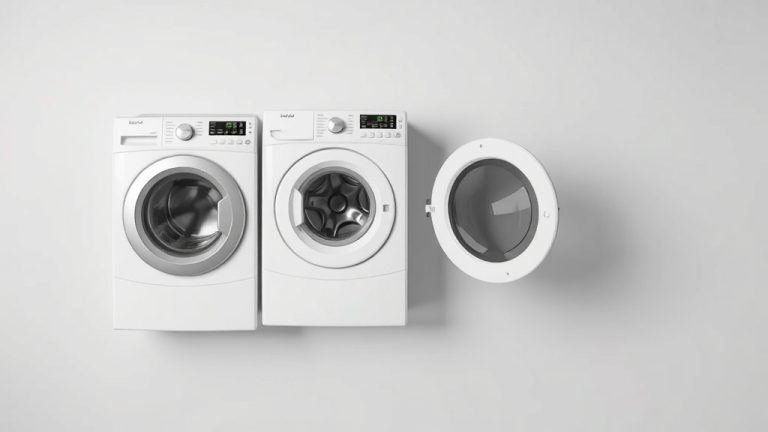
The smallest washing machines you can buy are typically portable or compact units. These often measure around 2 cubic feet in capacity. They are perfect for small apartments, RVs, or dorm rooms where space is extremely limited. You can find models designed for basic washing needs without taking up much floor space.
When looking for the smallest option, consider factors like energy efficiency and water usage. Many smaller machines are designed to be lightweight and easy to move. Some even connect directly to a sink faucet, making them a convenient choice for renters. You’ll also want to check their spin speed for how dry your clothes will be.
- Smallest units are usually portable or compact.
- Look for around 2 cubic feet capacity.
- Great for apartments, RVs, and dorms.
- Consider energy and water efficiency.
- Many connect easily to a sink faucet.
Let’s dive into the specifics and help you find the perfect tiny washer for your needs.
Finding the Tiniest Washing Machine for Your Space
When you’re short on space, finding a washing machine that fits can feel like a puzzle. You’re looking for the smallest unit possible without sacrificing too much washing power. The good news is, there are several types of very small washing machines designed specifically for these situations. Let’s break down what’s available and what to look for.
Understanding Compact Washer Sizes
The “smallest” washing machine can mean a few different things. It usually refers to either portable washing machines or compact, apartment-sized front-loaders or top-loaders. Both aim to solve the problem of limited living space.
Portable Washing Machines
These are often the absolute smallest and most mobile options. Think of them as mini-washers you can easily store away. They are perfect for tiny homes, RVs, or if you only do laundry a few times a month.
How Portable Washers Work
Most portable washers are single-tub units. This means the same drum washes and spins your clothes. They typically connect to a sink faucet for water intake. You’ll need to manually drain the water into the sink or a bucket. Some models might have a small built-in water reservoir, but these are less common for true smallness.
Capacity and Size
You’ll find portable washers with capacities ranging from about 0.9 to 2.0 cubic feet. They are lightweight, often under 50 pounds, making them easy to move. Their footprint is also very small, usually less than 2 feet wide and deep.
Pros and Cons of Portable Washers
The biggest advantage is their extreme compactness and portability. They are also generally much cheaper than full-sized machines. On the downside, they wash smaller loads and may not handle bulky items like blankets well. They also require more manual effort for draining and filling.
Compact Apartment-Sized Washers
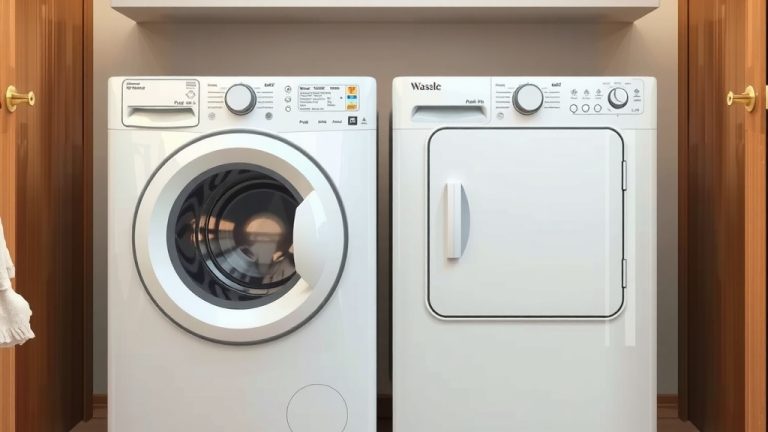
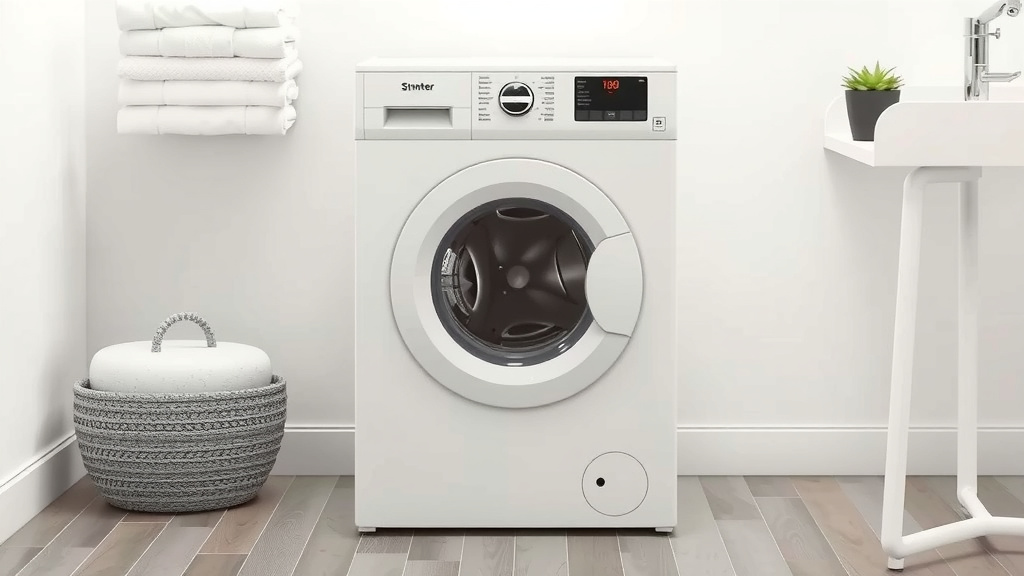
These are a step up from portable units. They are permanently installed, much like a traditional washing machine, but designed to fit into tighter spaces. These are often stackable or slim-depth models.
What “Compact” Means in This Context
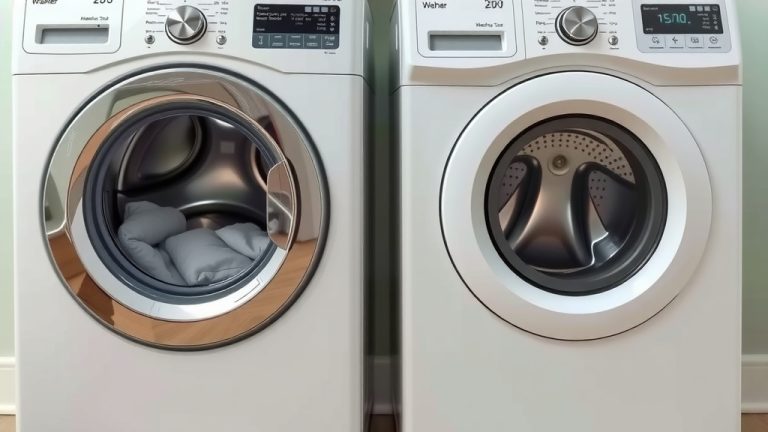
Compact washers typically have capacities between 2.0 and 3.5 cubic feet. They are built to fit through standard doorways and can often be installed under countertops or stacked with a matching dryer. Their width is usually around 24 inches, similar to a standard dishwasher.
Types of Compact Washers
You’ll find front-load and top-load compact washers. Front-loaders are generally more water and energy-efficient and offer better cleaning performance. Many compact front-loaders are designed to be stacked, saving even more floor space. Compact top-loaders are often a bit less expensive and simpler to operate.
Installation and Hookups
Unlike portable units, compact washers require a standard water hookup (hot and cold) and a drainage system. They also need a standard electrical outlet. While they are smaller, they are still quite heavy and usually require professional installation or at least two people to move.
Key Features to Consider for Small Washers
When you’re looking at these tiny titans of clean, a few features really stand out. You want efficiency and convenience packed into that small frame.
Capacity: How Much Can It Really Hold?
Capacity is measured in cubic feet. For the smallest options, you’re looking at 0.9 to 2.0 cubic feet for portable models. Compact apartment-sized machines go up to about 3.5 cubic feet. To put that into perspective, a standard washing machine can be 4.0 to 5.0 cubic feet or more.
- For a single person or couple doing small loads, 1.0-2.0 cu. ft. might be plenty.
- If you have slightly larger loads or need to wash a few towels, aim for 2.0-3.5 cu. ft.
- Don’t forget bulky items! A tiny washer might struggle with a queen-sized comforter.
Water and Energy Efficiency
Smaller machines often use less water and electricity, which is great for your utility bills and the environment. Look for ENERGY STAR certified models. Some compact machines are designed with water-saving features. You’ll want to check the water usage per load if this is a concern for you. Many experts recommend looking for units that use less than 20 gallons per cycle (Energy Star).
Spin Speed (RPMs)
Spin speed, measured in revolutions per minute (RPM), affects how dry your clothes come out. A higher RPM means more water is extracted, leading to shorter drying times. For small washers, spin speeds can vary greatly. Some portable units might be lower, while compact apartment models can reach 1000 RPM or more. A higher spin speed is generally better.
Noise Level
If you live in close quarters, like an apartment or dorm, noise is a big factor. Many smaller machines, especially portable ones, can be quite noisy. Look for reviews that mention noise levels or machines that advertise quiet operation. Some use vibration-reduction technology, which can make a big difference.
Who Benefits Most from a Tiny Washer?
These small machines are a lifeline for many people in specific situations. They solve a unique set of problems.
- Apartment Dwellers: If you don’t have hookups or just a tiny corner for a laundry setup, a portable washer is ideal.
- RV Owners: Need to do laundry on the road? A portable washer is perfect for this.
- Dorm Room Residents: Space is at a premium. A small washer can save trips to the communal laundry room.
- Singles or Couples: If you do very small loads of laundry frequently, a tiny washer can be more efficient than a large machine.
- Second Washers: Some people use a small, portable washer for delicate items or baby clothes, keeping them separate from larger loads.
Quick Checklist for Your Tiny Washer Purchase
Before you click “buy,” quickly run through this list to make sure you’re getting the right fit for your life:
- Measure your space: Know the exact dimensions where the washer will go.
- Check hookups: Do you have sink access or standard water hookups available?
- Consider load size: How many people will you be washing for? What types of items?
- Review power needs: Does it need a standard outlet or a specific type?
- Read reviews: Focus on noise, durability, and ease of use for small models.
- Budget: Small washers range from under $200 to over $800, depending on features and type.
Conclusion
Finding the smallest washing machine for your home is all about matching your space and laundry needs. Whether you lean towards a super-compact portable washer for ultimate flexibility or a slim-depth apartment unit for more regular use, there’s an option out there. Remember to measure your space carefully and consider features like capacity, spin speed, and efficiency. By focusing on these key elements, you can bring the convenience of laundry into even the tightest living situations. Your next step is to measure your available space and start comparing specific models that fit your requirements!
Frequently Asked Questions
What is the absolute smallest washing machine available?
The absolute smallest washing machines are typically portable, single-tub units. These often have capacities around 0.9 to 2.0 cubic feet and are designed to be lightweight and easily stored. They connect to a sink and require manual draining, making them ideal for very limited spaces.
Can a small washing machine handle a week’s worth of laundry for one person?
Yes, a small washing machine with a capacity of around 1.5 to 2.0 cubic feet can usually handle a week’s worth of laundry for a single person. This size is perfect for doing smaller, more frequent loads without needing a large machine.
Are tiny washing machines noisy?
Noise levels can vary. Portable washers, due to their lightweight construction, can sometimes be noisier. Compact apartment-sized machines often have features to reduce vibration and sound. Always check reviews for specific models if noise is a major concern for you.
Do I need special hookups for a portable washing machine?
No, most portable washing machines do not require special hookups. They are designed to connect directly to a standard sink faucet for water intake. You’ll need a place to drain the water, usually back into the sink or a bucket.
How much more does a compact washer cost compared to a portable one?
Generally, portable washing machines are less expensive, often costing under $300. Compact apartment-sized washers, especially those with more advanced features or stackable options, can range from $500 to over $1,000. Your budget will play a role in which type of small washer you choose. Our guide to new washing machine costs details the price range for small washers.