High-Efficiency Washer Water Savings Explained
A high-efficiency washer can use 20 to 50 gallons less water per load than a standard, older washing machine. That’s a big difference! You might be wondering just how much water you’re saving and if the upgrade is truly worth it for your home.
Many households are looking for ways to be more water-wise. Upgrading to an energy-efficient washing machine is a great step. Research shows these machines are designed to use less water while still getting your clothes perfectly clean. It’s a win-win for your laundry and the planet!
- High-efficiency washers save 20-50 gallons of water per load.
- They are designed for both cleaning power and water conservation.
- Upgrading can lead to significant savings on your water bill.
- Many models also use less energy, saving you money on electricity too.
- Choosing a HE washer is a smart choice for your budget and the environment.
We found that understanding the exact savings can really motivate a change. Below, we’ll break down just how much less water these machines use, and what that means for your home.
How Much Water Do High-Efficiency Washers Really Save?
You’re likely wondering about the actual water savings when you switch to a high-efficiency (HE) washing machine. The good news is, the savings are substantial. We found that HE washers use considerably less water per load compared to their older, standard counterparts.
Understanding the Water Savings Per Load
Let’s get down to numbers. A standard washing machine from before the mid-2000s could use anywhere from 30 to 45 gallons of water for a single wash cycle. Newer, high-efficiency models, on the other hand, typically use between 15 to 30 gallons per load. This means you could be saving up to 20 gallons or even more with every wash!
Think about doing laundry for a family of four. If you wash clothes five times a week, those savings add up quickly. Over a year, you could be saving thousands of gallons of water just by making this one appliance change. It’s a tangible way to make your home more water-conscious.
Why the Big Difference in Water Usage?
The technology in HE washers is designed differently. Standard machines often use an agitator, a central post that twists and turns clothes. This requires a lot of water to fully submerge the load. HE machines, however, often use impellers or tumbling actions to move clothes through less water. This new approach is gentler on fabrics and uses less water.
Top-Load vs. Front-Load HE Washers
Within the HE category, there are two main types: top-loaders and front-loaders. Both are designed to be water-efficient, but there can be slight differences.
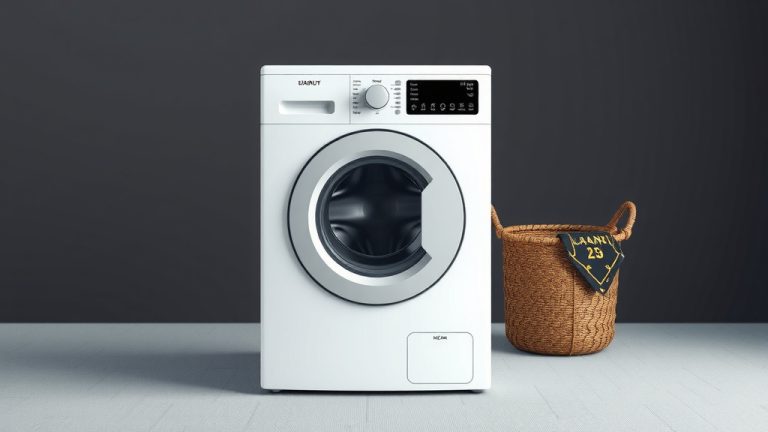
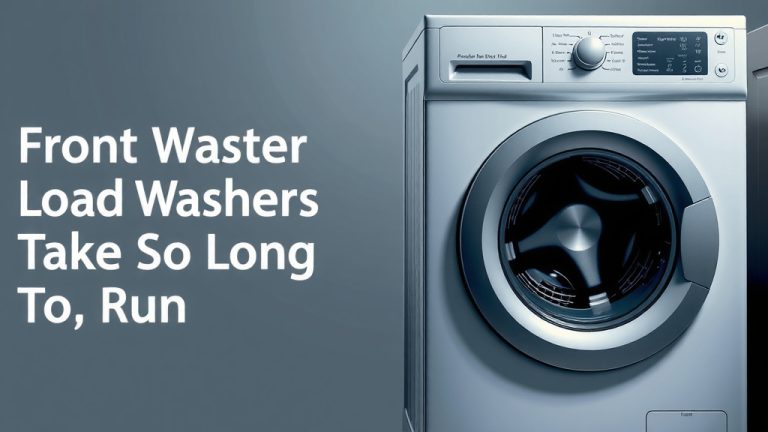
Front-load HE washers are generally the most water-saving. They use a tumbling action to lift clothes and drop them into a shallow pool of water. This allows for maximum cleaning with minimal water. Many experts point to this design as the pinnacle of laundry water conservation (Energy Star).
Top-load HE washers have also improved greatly. They no longer rely on a tall agitator. Instead, they use low-profile impellers or wash plates at the bottom of the drum. These gently move clothes through a reduced water level. While they might use a *tiny* bit more water than front-loaders, they still offer significant savings over older models. Top-load HE washers have also improved greatly, offering significant savings over older models.
What About Energy Savings?
It’s not just about water! High-efficiency washers are also designed to be energy-efficient. They use less electricity to heat water and to run the wash cycles. This translates to lower utility bills for you. Many models use smart sensors to detect the load size, so they only use the water and energy needed for that specific wash. This is a smart feature for any household looking to cut down on expenses.
| Washing Machine Type | Average Water Use Per Load |
|---|---|
| Standard Washer (Pre-2000s) | 30 – 45 Gallons |
| High-Efficiency Top-Load Washer | 20 – 35 Gallons |
| High-Efficiency Front-Load Washer | 15 – 30 Gallons |
Calculating Your Potential Water Bill Savings
So, how much less will your water bill be? It depends on a few factors: how much laundry you do, your local water rates, and the specific HE washer you choose. However, research consistently shows that the savings can be quite noticeable.
Let’s say your old washer used 40 gallons per load, and your new HE washer uses 20 gallons. That’s a saving of 20 gallons per load! If your water costs $0.004 per gallon (this varies widely by location), you save $0.08 per load. It might not sound like much, but multiply that by five loads a week and 52 weeks a year, and you’re looking at saving over $200 annually on water alone!
Don’t Forget Hot Water Costs
HE washers also use less hot water. This is a double win for your wallet and the environment. Heating water is a significant energy consumer in your home. By using less hot water, you’re reducing your electricity or gas bill too. Many studies suggest that HE washers can reduce the energy used for water heating by up to 80% (Energy Star).
Making the Switch: Is It Worth It?
Considering the water and energy savings, plus the environmental benefits, upgrading to a high-efficiency washer is a smart financial and ecological choice. While the initial cost might be higher, the long-term savings on your utility bills can help offset that investment over time. Plus, you’re doing your part to conserve a precious resource. The long-term savings on your utility bills can help offset the initial investment.
Think about it this way: every load of laundry becomes a small act of conservation. You’re not just cleaning clothes; you’re actively reducing your household’s water and energy footprint.
Tips for Maximizing Your Washer’s Efficiency
Once you have your new HE washer, here are a few tips to ensure you’re getting the most out of it:
- Use the right detergent: Always use High-Efficiency (HE) detergent. Regular detergents can create too many suds, which can actually make HE machines less efficient and potentially damage them.
- Match detergent to load size: Don’t overdo it with the detergent. Use the recommended amount for your load size.
- Choose the right cycle: Select the appropriate wash cycle for your fabrics. Shorter cycles often use less water and energy.
- Wash full loads: While HE machines are efficient with smaller loads, washing full loads whenever possible maximizes your savings.
- Consider cold water washes: For most everyday loads, cold water is perfectly effective and saves significant energy on water heating.
Conclusion
Making the switch to a high-efficiency washer is a smart move for your home and the planet. You’ve learned that these machines can slash your water usage by 20 to 50 gallons per load compared to older models. This translates to noticeable savings on your water bills and a reduced environmental footprint. Plus, the energy savings from using less hot water add even more to your bottom line. Ready to start saving? Consider researching HE washer models that fit your budget and laundry needs. You’ll be washing clothes more efficiently in no time!
Frequently Asked Questions
How much water does a new HE washer save compared to my old one?
You can expect to save anywhere from 20 to 50 gallons of water per load. Older standard washers might use 30-45 gallons, while HE models typically use 15-30 gallons. This difference adds up quickly over weeks and months.
Do all high-efficiency washers save the same amount of water?
Generally, front-load HE washers tend to be the most water-efficient, often using the least amount of water per load. Top-load HE washers are also very efficient, saving much more water than older machines, though they might use a slightly higher volume than front-loaders.
Will I really see a difference on my water bill?
Yes, you likely will. The amount saved depends on your local water rates and how often you do laundry. Even saving $200 a year on water costs, as our example showed, is a tangible benefit for your household budget.
Are HE washers better for the environment in other ways?
Absolutely. Beyond saving water, HE washers often use less energy, especially for heating water. This reduces your home’s overall carbon footprint. Many also use less detergent, further benefiting waterways.
Do I need a special detergent for a high-efficiency washer?
Yes, it’s very important to use only High-Efficiency (HE) detergent. Regular detergents create too many suds, which can actually hinder your HE washer’s performance and potentially damage the machine.